You Won’t Believe What Yaoundé’s Markets Are Hiding
Stepping into Yaoundé, Cameroon, I expected vibrant culture—but the city’s true soul lies in its specialty products. From hand-carved masks to rich, earthy coffee, every item tells a story. This isn’t just shopping; it’s connecting with tradition. Locals craft with purpose, and each market visit feels like uncovering a secret. Yaoundé doesn’t shout its treasures—it whispers them. And once you listen, you’ll never see African craftsmanship the same way again. More than souvenirs, these goods represent resilience, identity, and intergenerational wisdom. They reflect a city where modern life moves to the rhythm of ancestral values. In a world of mass production, Yaoundé’s markets offer authenticity rooted in community, sustainability, and deep cultural meaning. To explore them is to witness living heritage in motion.
The Heartbeat of Yaoundé: Culture in Everyday Life
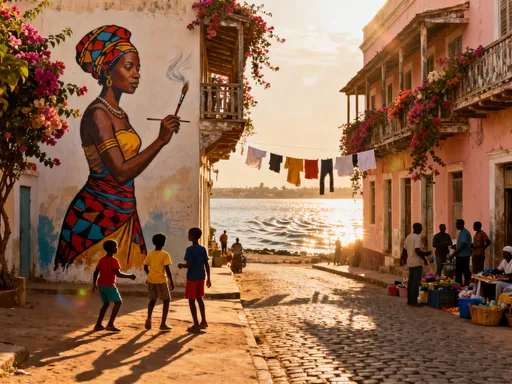
Yaoundé, the capital of Cameroon, pulses with a unique energy shaped by its position as a cultural crossroads in Central Africa. As a bilingual nation fluent in both French and English, Cameroon carries a legacy of diverse influences, and Yaoundé embodies this duality with quiet pride. The city climbs gracefully across seven hills, where colonial-era buildings stand beside bustling local markets and contemporary art galleries. Yet beneath its urban surface beats a deeply rooted traditional life that shapes how people live, dress, speak, and create. Music spills from open windows—rhythmic bikutsi and makossa blending with gospel and jazz—while women walk in brightly colored pagnes, their styles often signaling region, occasion, or personal expression.
This cultural richness isn’t reserved for festivals or performances; it’s woven into daily existence. Greetings are more than formalities—they are acts of respect, often involving handshakes, nods, or even proverbs exchanged between neighbors. Elders are consulted on family decisions, and communal values take precedence over individualism. These social rhythms directly influence the city’s craftsmanship. Art is not made for display alone but emerges from lived experience, spiritual belief, and social function. A wooden mask isn’t merely decorative—it may have once played a role in initiation rites or ancestral ceremonies. A handwoven textile might carry symbols that communicate lineage or protection.
For visitors, understanding this context transforms a simple market visit into a meaningful exchange. When you admire a carved stool or taste a locally roasted coffee, you’re engaging with traditions that have been refined over centuries. It’s essential to approach these encounters with humility and respect. Asking permission before taking photographs, learning a few phrases in French or local dialects like Ewondo, and listening more than speaking can open doors to genuine connection. In Yaoundé, culture isn’t something to consume—it’s something to participate in, honor, and carry forward with care.
Where Tradition Takes Shape: Artisan Neighborhoods & Workshops
Scattered throughout Yaoundé are neighborhoods where craftsmanship thrives not as a tourist attraction but as a way of life. These are places where the scent of sawdust lingers in the air, where hammers tap steadily against metal, and where generations gather to pass down skills honed over decades. While no single district monopolizes all crafts, certain areas have become known for their specialization. In Bastos, an upscale neighborhood with colonial charm, small workshops produce intricate pottery and ceramic art. Here, artisans shape clay by hand or on foot-powered wheels, using techniques that echo ancient Central African methods. The resulting pieces—bowls, vases, and decorative sculptures—are often fired in rudimentary kilns, giving them a distinctive earthy finish.
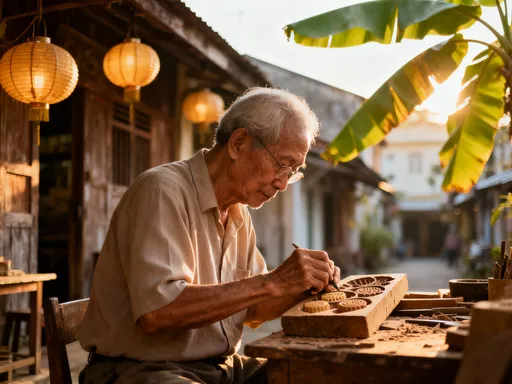
Further into the heart of the city, the Mfoundi district hums with activity from woodcarvers whose chisels dance across ebony, mahogany, and iroko. These craftsmen rarely work from sketches; instead, they rely on memory, intuition, and years of practice to bring form to formless wood. Many learned their trade as apprentices, beginning in adolescence under the guidance of a master artisan. Training is rigorous and often informal, passed down within families or through community-based mentorships. Some artisans belong to cooperatives that pool resources, share tools, and ensure fair pricing—structures that help preserve dignity and economic stability in a competitive environment.
Materials are sourced with intention. Wood is selected not only for durability but for symbolic meaning—certain trees are believed to carry protective or spiritual properties. Natural pigments derived from plants, minerals, and charcoal are used to stain and finish pieces, avoiding synthetic dyes that compromise authenticity. While modern tools like electric sanders are sometimes adopted for efficiency, the core processes remain traditional. This balance between adaptation and preservation reflects a broader truth about Yaoundé’s artisans: they are not relics of the past, but innovators rooted in heritage. Their workshops are sanctuaries of skill, patience, and cultural continuity—spaces where the future of Cameroonian art is quietly being shaped, one careful stroke at a time.
Must-Touch Treasures: Handmade Masks, Sculptures, and Textiles
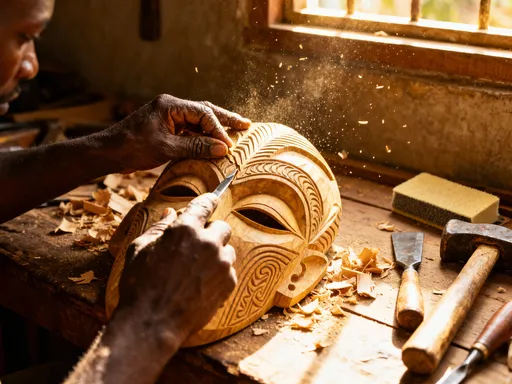
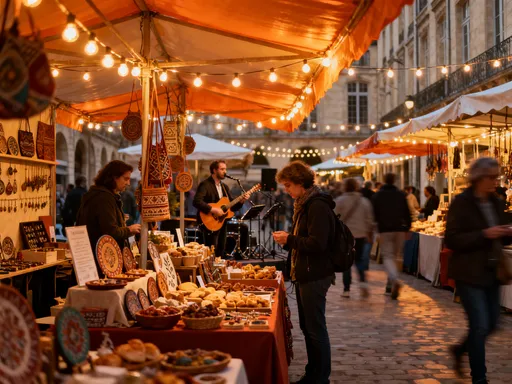
Among the most compelling creations found in Yaoundé’s markets are the hand-carved masks and wooden sculptures that embody the spiritual and social fabric of Cameroon’s diverse ethnic groups. Though Yaoundé itself is home to many cultures, including the indigenous Ewondo people, the artistic influences extend beyond city limits, drawing from broader Central African traditions. Masks, in particular, hold profound significance. Historically used in ceremonies marking births, deaths, initiations, and harvests, they serve as intermediaries between the physical and spiritual worlds. Each curve, groove, and facial expression is deliberate—representing ancestors, deities, or moral lessons. While some designs resemble the stylized faces of the Bamileke or the royal regalia of the Ndop region, they are often adapted locally, blending tradition with individual artistry.
These carvings are typically made from dense tropical hardwoods, chosen for their longevity and resonance. Artisans begin with rough sketches or mental images, then gradually chip away at the block, refining features with precision. Eyes may be inlaid with beads or shells, while lips and brows are exaggerated to convey emotion or status. Some masks are painted in ochre, white clay, or indigo, colors that carry symbolic weight—white for purity or the spirit world, red for vitality, black for wisdom or mourning. Though not all pieces sold today are used in rituals, their designs remain faithful to cultural codes, ensuring that even decorative items retain narrative depth.
Equally captivating are the textiles that drape market stalls and adorn homes. While kente cloth is famously associated with Ghana, Yaoundé’s weavers produce their own vibrant cotton fabrics inspired by regional patterns. Using horizontal looms, artisans interlace threads into geometric motifs that tell stories or express identity. Raffia cloth, made from palm fibers, is another traditional material, often dyed with natural pigments and used in ceremonial attire. These textiles are more than fashion statements—they are visual languages. A specific pattern might indicate a clan affiliation, a rite of passage, or a prayer for prosperity. When visitors purchase these fabrics, they’re not just acquiring beautiful material; they’re holding fragments of oral history, coded in color and line.
Flavors That Speak: Yaoundé’s Local Food Specialties
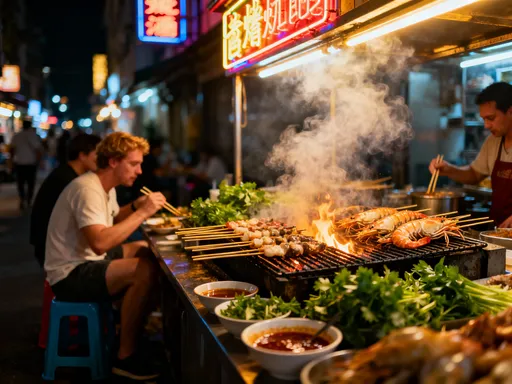
Beyond visual artistry, Yaoundé’s markets offer a sensory journey through taste and smell. Here, food is not merely sustenance but a celebration of land, labor, and tradition. At the center of many stalls are smoked fish pulled from the Sanaga and Nyong rivers—silver-skinned tilapia and catfish slow-roasted over smoldering wood fires, their aroma mingling with wood smoke and spice. Vendors display them in neat rows, often wrapped in banana leaves to preserve freshness. Nearby, mounds of fermented condiments like soumbala—a protein-rich paste made from locust beans—add umami depth to stews and sauces. These ingredients, though humble, are culinary anchors, passed down through generations of home cooks.
Coffee and cocoa, though globally associated with West Africa, take on a different character in Yaoundé. Unlike the mass-exported varieties, locally grown beans are often roasted in small batches over open flames, filling the air with a rich, nutty fragrance. Street vendors grind them by hand, selling tiny cups of strong, dark brew that energizes morning routines. Similarly, cocoa is used less for chocolate bars and more for traditional drinks—mixed with milk, spices, or palm wine to create warming beverages enjoyed during gatherings. These preparations reflect a farm-to-table philosophy long before the term entered global lexicon. Ingredients travel short distances, often from nearby farms in the Centre or South regions, maintaining freshness and supporting rural economies.
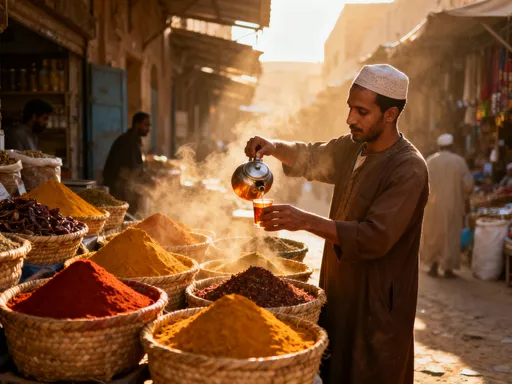
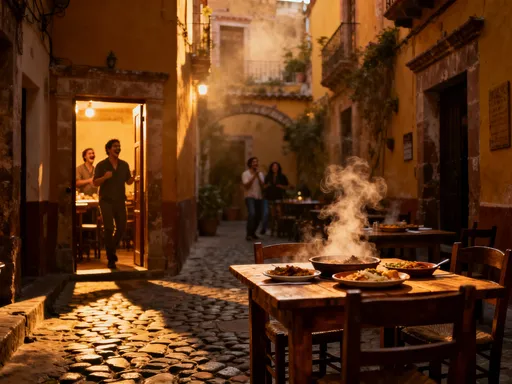
Markets like Marché Central and Mokolo buzz with this culinary energy. Women in head wraps stir giant pots of ndolé—a stew of bitterleaf, peanuts, and meat—while men grill plantains over charcoal. Shoppers haggle gently over prices, exchange recipes, and sample offerings with delight. For the discerning traveler, these spaces offer more than meals—they provide insight into how food fosters community. Every dish carries memory: a grandmother’s recipe, a festival favorite, a remedy for fatigue. To eat in Yaoundé is to be welcomed into a culture that values nourishment not just of the body, but of relationships and heritage.
From Forest to Market: Natural Products with Purpose
Another dimension of Yaoundé’s artisan economy lies in its natural skincare and household products, many of which originate in the lush forests surrounding the city. Among the most cherished is shea butter, extracted from the nuts of the Vitellaria paradoxa tree. Women in rural cooperatives collect, roast, and pound the nuts by hand, producing a creamy, golden balm prized for its moisturizing and healing properties. Free from additives and preservatives, this unrefined shea butter is used to soothe dry skin, protect against sun and wind, and even massage newborns—a practice rooted in generations of maternal care.
Equally common are plantain-based soaps and black soap, made from alkaline ash mixed with palm oil, coconut oil, or shea. These soaps are valued for their gentle exfoliation and ability to balance skin pH. Unlike commercial detergents, they are biodegradable and produced without harsh chemicals. The process is labor-intensive: ashes are filtered, oils are heated and blended, and the mixture is poured into molds to harden over days. Many of these products are created by women-led collectives, which not only preserve traditional knowledge but also empower female entrepreneurs. Income from sales supports education, healthcare, and small business development within their communities.
While global demand for “clean beauty” has spotlighted such items, Yaoundé’s producers remain grounded in purpose rather than trend. These are not novelty items designed for foreign shelves; they are everyday essentials, trusted for their efficacy and safety. Visitors can find them in local markets, often wrapped in simple paper or cloth, labeled only by hand. Purchasing them supports sustainable practices and honors the wisdom embedded in natural remedies. More than skincare, they represent a philosophy of harmony—with the body, the environment, and the cycle of life.
How to Shop with Respect and Impact
Engaging with Yaoundé’s markets is a privilege that comes with responsibility. These spaces are not performance stages but vital economic and cultural hubs where families earn livelihoods and traditions are sustained. To shop ethically, visitors should approach artisans as partners in cultural exchange, not as photo opportunities or bargaining targets. One of the simplest yet most important gestures is asking permission before taking photographs. Many artisans appreciate recognition, but others may find it intrusive, especially if images are shared online without consent. A smile, a greeting in French or a local language, and a brief explanation go a long way in building trust.
When it comes to pricing, bargaining is common but should be done with courtesy. Rather than aggressive haggling, aim for fair negotiation—acknowledging the time, skill, and materials behind each piece. Direct purchases from artisans or certified cooperatives ensure that value stays within the community. Be cautious of middlemen selling mass-produced imports labeled as “handmade” or “authentic.” Genuine craftsmanship has telltale signs: slight imperfections, natural material variations, and consistent storytelling when the maker discusses their work. Supporting official craft centers or fair-trade initiatives can also guarantee authenticity and ethical standards.
Ultimately, mindful shopping means valuing quality over quantity. Instead of filling a suitcase with trinkets, consider investing in one or two meaningful items—perhaps a carved mask, a handwoven scarf, or a jar of raw shea butter. Each becomes a vessel of memory and respect. By choosing thoughtfully, travelers help preserve cultural integrity and resist the commodification of heritage. Shopping in Yaoundé should not be about taking, but about giving back—through fair exchange, appreciation, and awareness.
Beyond the Purchase: Carrying Culture Forward
The true value of Yaoundé’s markets extends far beyond the objects they contain. Each mask, fabric, spice, and soap is a thread in a larger tapestry of identity, resilience, and continuity. In a rapidly modernizing world, these crafts serve as anchors—reminders of who we are, where we come from, and what we choose to carry forward. For artisans, creating is an act of preservation, a way to ensure that ancestral knowledge survives in homes, not just museums. For visitors, receiving these gifts is a call to stewardship. It’s not enough to admire; we must also protect, understand, and amplify the stories behind the surfaces.
Yaoundé should not be seen as a transit point or an urban stopover, but as a living archive of African creativity. Its markets are classrooms without walls, where lessons unfold in color, scent, and texture. When we return home with a hand-carved spoon or a jar of smoked fish, we bring more than souvenirs—we carry fragments of a culture that deserves recognition, respect, and sustained attention. The greatest tribute we can offer is not silence, but voice: sharing these stories with honesty, resisting stereotypes, and advocating for ethical engagement.
As the world grows smaller through travel and technology, the need to honor difference becomes greater. Yaoundé’s whispers—its quiet, persistent expressions of beauty and meaning—deserve to be heard. They remind us that culture is not static, nor is it ours to claim. It is dynamic, shared, and sacred. And when we listen closely, we discover that the most extraordinary treasures are not hidden in plain sight—they are revealed through presence, patience, and purpose.