You Won’t Believe This Hidden Food Scene in Guanajuato
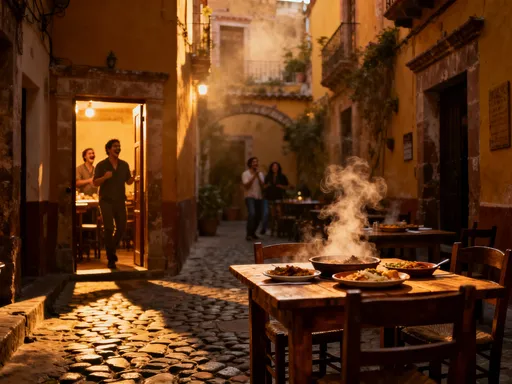
Guanajuato isn’t just about colorful streets and colonial charm—its underground food culture is next-level. Tucked away in alleyways and local plazas, I found restaurants serving dishes you won’t see in guidebooks. From family-run fondas to secret mezcal bars, this city feeds your soul in ways you never expected. If you’re chasing real flavor off the tourist trail, Guanajuato delivers. The rhythm of daily life here unfolds not in grand plazas alone, but in the sizzle of comals, the steam rising from clay pots, and the laughter echoing from backyard kitchens. This is where tradition meets hunger, where every bite tells a story passed down through generations. Beyond the postcard-perfect facades lies a culinary heartbeat pulsing with authenticity, waiting to be discovered by those willing to wander a little farther.
Discovering Guanajuato’s True Flavor
Guanajuato, a UNESCO World Heritage city nestled in the central highlands of Mexico, is renowned for its winding cobbled streets, vibrant buildings stacked like jewels on steep hillsides, and rich mining history. But beneath its artistic and architectural allure lies a quieter, deeper expression of identity—its food. While many visitors come for the festivals, the Diego Rivera murals, or the famed Callejón del Beso, fewer realize that the city’s soul is equally preserved in the way its people cook and share meals. The culinary traditions here are shaped by centuries of convergence—indigenous Purépecha roots blending with Spanish colonial influences, adapted over time by local ingenuity and mountain climate.
This unique fusion has given rise to a cuisine that values depth over flash, substance over spectacle. Unlike coastal regions where seafood dominates or northern states known for beef-heavy dishes, Guanajuato’s table reflects its agricultural landscape: fertile valleys producing corn, beans, squash, and chilies, all grown in harmony with seasonal rains and cool mountain air. These ingredients aren’t just staples—they’re the foundation of identity. In homes and humble eateries alike, cooks honor them with care, turning simple elements into complex, comforting dishes that speak of home and heritage.
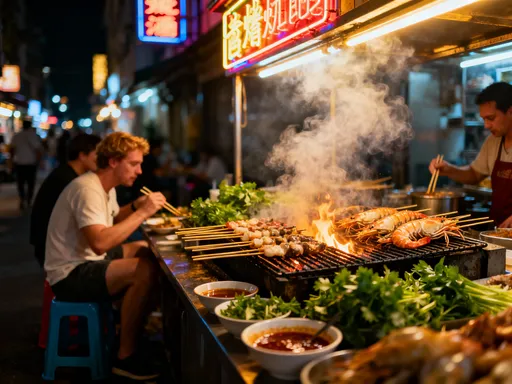
Yet, this authentic food culture often remains invisible to tourists who stick to the main squares and recommended restaurants. The most meaningful meals aren’t found under glowing neon signs or listed on travel apps, but in unassuming corners of barrios like San Javier or San Felipe. Here, food isn’t performance; it’s ritual. A grandmother stirs a pot of mole while her granddaughter shapes tortillas by hand. A vendor serves tamales from a steaming basket at dawn, known only to workers heading to nearby markets. These moments form the quiet backbone of Guanajuato’s true flavor—one that rewards curiosity and rewards patience.
What Makes Specialty Dining Here Different?
When we think of specialty dining, images of white-tablecloth restaurants with curated wine lists may come to mind. But in Guanajuato, specialty dining takes on a different meaning—one rooted not in luxury, but in lineage. It’s about meals prepared with inherited knowledge, using techniques unchanged for decades. It’s about sitting on a plastic stool at a counter while a cook who’s been at it since sunrise hands you a plate that tastes like memory. This kind of dining isn’t marketed or monetized for Instagram appeal; it thrives because it fulfills a deeper need—to nourish, to connect, to preserve.
At the heart of this experience are the small kitchens operating in homes, market stalls, and converted garages. These are not pop-ups or trend-driven concepts, but enduring institutions run by families who view cooking as both duty and art. Many use locally grown white corn, stone-ground on volcanic molcajetes, to make tortillas so fresh they steam when served. Chilies like pasilla, guajillo, and the regionally favored chilhuacle are toasted and blended into sauces that vary subtly from household to household—each a fingerprint of personal history. Herbs like epazote and hoja santa grow in backyard gardens, plucked moments before being folded into stews or salsas.
One of the most emblematic dishes of the region is enchiladas mineras, or “miner’s enchiladas,” a hearty plate born from the city’s silver-mining past. These aren’t the rolled tortillas often seen elsewhere, but flat, fried tortillas topped with shredded chicken, potatoes, and a rich red chili sauce, then garnished with crumbled queso fresco and sliced onions. They were originally packed into lunchboxes for miners descending into the depths of the Cerro del Cubilete. Today, they’re still served in fondas near old mine entrances, a tribute to resilience and hard work.
Other local specialties include gorditas tapatías, thick masa cakes stuffed with beans, cheese, or pork, and crisped on a griddle until golden. Though named after Guadalajara, their presence in Guanajuato reflects the flow of culinary ideas across central Mexico. Equally beloved is caldillo de res, a slow-simmered beef and vegetable soup flavored with cilantro, garlic, and dried chilies. It’s commonly eaten on weekends or during cold winter mornings, often accompanied by warm tortillas and a squeeze of lime. These dishes may not appear on formal menus, but they define the rhythm of daily life for locals—and offer travelers a rare glimpse into the region’s soul.
Why Go Off the Beaten Path for a Meal?
Choosing to eat away from tourist hubs isn’t just about finding better tacos—it’s about experiencing a place more fully. Restaurants in main plazas, while convenient, often adjust their flavors to suit international palates, simplifying spices or removing traditional ingredients that might seem unfamiliar. Portions may shrink, prices rise, and the atmosphere shift toward performance rather than authenticity. In contrast, neighborhood eateries serve food exactly as it’s eaten at home—bold, balanced, and deeply satisfying.
One of the most immediate benefits of venturing off the beaten path is value. A full plate of enchiladas mineras with rice, beans, and a drink might cost less than five dollars at a family-run fonda, compared to double or triple that in the historic center. But beyond savings, there’s richness in the experience itself. You’re no longer a spectator; you’re a guest. Servers might greet you with a smile and ask how your day is going. A cook might offer a sample of a new salsa before serving it. These small gestures build connection, transforming a meal into a moment of shared humanity.
Hidden eateries also reflect the natural rhythms of community life. Many open only during lunch hours, closing in the afternoon when families rest or attend to other responsibilities. Others operate seasonally, appearing during harvest festivals or religious celebrations. Some serve only a single dish—like carnitas cooked in copper vats over wood fires—because mastery matters more than variety. By aligning your dining schedule with these patterns, you begin to live like a local, even if only for a day.
And then there are the surprises—the meals you never planned but will never forget. Imagine walking past a nondescript doorway and catching the scent of slow-cooked pork and toasted cumin. You peer inside and see a dozen people seated on wooden benches, passing baskets of tortillas and bowls of salsa. You’re invited in with a nod, handed a plate, and within minutes, you’re eating what might be the best carnitas of your life. No menu, no signage, no online presence—just excellence born of tradition and pride.
How to Find These Culinary Gems (Without a Map)
Finding Guanajuato’s hidden food spots requires a shift in mindset—from seeking destinations to noticing details. There’s no app that reliably maps these places, and few are listed on review sites. Instead, discovery happens through observation, intuition, and a willingness to follow subtle cues. One of the most reliable methods is to watch where locals go. At noon, when office workers and shopkeepers step out for lunch, streets near residential areas come alive with movement. Follow the flow of people, and you’ll likely find a crowded fonda tucked between a hardware store and a laundromat.
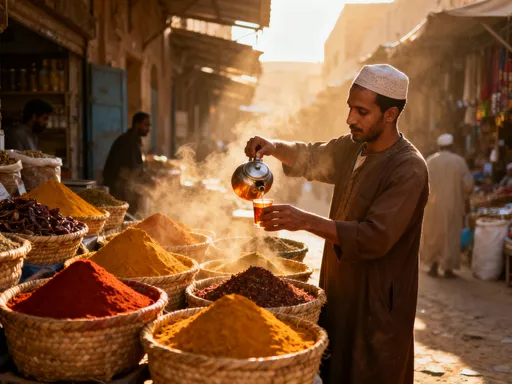
Another excellent starting point is Mercado Hidalgo, the city’s central market. While tourists browse the upper floors for souvenirs and pre-packaged snacks, the lower levels buzz with activity from residents doing their daily shopping. Here, small stalls serve hot food directly to market-goers—steaming bowls of menudo on weekends, fresh tlacoyos topped with fava beans and cheese, or sopes smothered in shredded beef and green sauce. Vendors know their regulars by name and often offer recommendations to newcomers who show genuine interest.
Sensory clues are equally important. The smell of roasting poblano peppers or slow-simmering birria can lead you to a hidden kitchen. The sound of laughter spilling from a courtyard might signal a family-run comedor opening for lunch. Steam rising from a comal set outside a garage is a sure sign that tortillas are being made fresh. These signs don’t appear on maps, but they’re unmistakable once you learn to look for them.
Timing and attitude also play crucial roles. Many of these places open early and close by mid-afternoon, so a late lunch may mean missing out entirely. Being flexible with your schedule increases your chances of stumbling upon something special. Equally important is an open mind. Don’t expect English menus or polished service. Payment is often in cash, and seating might be limited. But these minor inconveniences are part of the authenticity. When you embrace them, you’re not just eating—you’re participating.
A Day in the Life: Following the Food Trail
Imagine starting your day not with coffee from a chain café, but with a warm cup of atole and a plate of chilaquiles at a tiny fonda near Jardín de la Unión. The restaurant has no name, just a faded awning and a chalkboard listing today’s specials. You sit at a Formica table as the owner, Doña Rosa, brings over a basket of freshly fried tortilla chips smothered in green tomatillo salsa, crema, and crumbled cheese. The eggs are runny, the beans are smoky, and the warm tortillas arrive wrapped in a cloth to keep them soft. Neighbors greet each other by name, children eat between bites of homework, and the radio plays ranchera music softly in the background. This isn’t a performance for tourists—it’s breakfast as it’s meant to be.
By midday, you’ve wandered into a lesser-known mercado on the edge of the San Javier neighborhood. Here, a woman named Teresa has been making handmade tortillas since she was a teenager. Her station is simple: a comal over a gas flame, a bowl of masa, and a wooden press. She shapes each tortilla by hand, pressing it just thin enough to blister when it hits the hot surface. Next to her, a barbacoa pit has been steaming since 4 a.m., filled with lamb marinated in adobo and wrapped in maguey leaves. When you order, she serves the meat on a corn tortilla with chopped onions, cilantro, and a squeeze of lime. The flavor is deep, earthy, and unforgettable—meat so tender it falls apart with the touch of a fork.
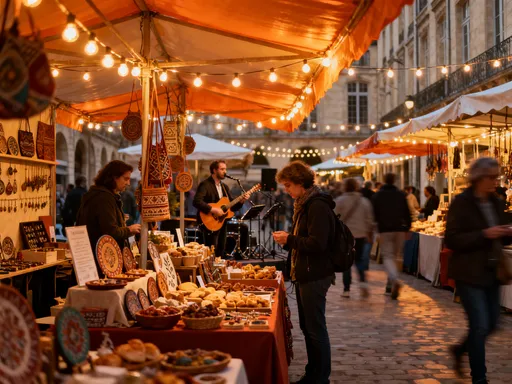
As evening falls, you’re led by a local friend to a reservations-only casa restaurante hidden in a quiet barrio. The house looks ordinary from the outside, but inside, the courtyard has been transformed into an intimate dining space with string lights, potted plants, and long wooden tables. The chef, a retired schoolteacher named Carlos, prepares a five-course meal entirely by himself, drawing from his grandmother’s recipes. The menu changes weekly, based on what’s fresh at the market. Tonight, it begins with a chilled avocado soup garnished with jicama strips, followed by tamales de elote wrapped in corn husks. The main course is a mole coloradito made with seven types of chilies, served with rice and handmade tortillas. Dessert is a warm capirotada, the traditional Mexican bread pudding flavored with cinnamon, raisins, and piloncillo syrup. There’s no printed menu, no wine list—just conversation, music, and food made with love.
This kind of day doesn’t happen by accident. It requires slowing down, listening, and allowing yourself to be guided by the city’s rhythm. It means saying yes to invitations, asking questions, and accepting that not every meal will be perfect—but that imperfection is part of the beauty.
Supporting Local: Why These Meals Matter
Every time you choose to eat at a family-run fonda or a market stall instead of an international chain, you’re doing more than satisfying hunger—you’re supporting a livelihood. Many of these small businesses operate on thin margins, sustained by daily sales and community loyalty. A few extra customers each week can mean the difference between staying open or closing down. When you eat at these places, your meal contributes directly to a family’s income, helping pay for school supplies, medical care, or home repairs.
But the impact goes beyond economics. These kitchens are cultural keepers, preserving recipes and techniques that might otherwise disappear. In an age of globalization, where fast food and standardized menus spread rapidly, these small-scale operations resist homogenization. They maintain regional identity through flavor, ensuring that future generations can still taste the food of their ancestors. By valuing their work, you help sustain not just a business, but a legacy.
Ethical dining also means respecting local customs. This includes tipping fairly—cash left on the table is often more meaningful than digital payments—and being mindful of waste. Many of these places use reusable dishes or compost food scraps, reflecting a deep connection to the land. Ordering seasonal dishes supports sustainable agriculture, as ingredients are sourced at their peak, reducing the need for imports or artificial growing methods. And perhaps most importantly, approaching these spaces with humility and gratitude fosters mutual respect—between visitor and host, between cultures, between strangers who share a table.
Putting It All Together: Your Next Culinary Adventure
Guanajuato’s true magic isn’t confined to its postcard views or guided tours. It lives in the warmth of a clay pot, the crackle of a tortilla on the comal, the quiet pride of a cook who’s perfected a recipe over decades. To experience it, you don’t need a luxury itinerary or a fluent command of Spanish—just curiosity, patience, and a willingness to step off the main path. The best meals aren’t always the most convenient, but they’re the ones that stay with you, shaping how you remember a place.
The key is to go slow. Let hunger guide you, but also let observation lead the way. Follow the crowds at lunchtime, trust your senses, and don’t be afraid to ask for help. A simple ‘¿Dónde comen los locales?’ (‘Where do locals eat?’) can open doors to experiences you’d never find on your own. Eat where families gather, where workers take their breaks, where laughter spills from open windows. These are the places where culture is lived, not performed.
And when you sit down to a meal in a hidden courtyard or a market stall with no sign, remember that you’re not just tasting food—you’re tasting history, resilience, and community. Guanajuato’s heart beats strongest not in its plazas, but in the kitchens behind unmarked doors, where every dish is an invitation to belong, even if just for a meal. So on your next journey, don’t just see the sights—taste the soul.