You Won’t Believe What I Found Hiking in Ras Al Khaimah
Hiking through Ras Al Khaimah, I stumbled upon something totally unexpected—not just wild wadis and rugged peaks, but a shopping scene that blew my mind. Imagine finishing a desert trail and walking into a market full of local crafts, spices, and handmade treasures. It’s not your typical post-hike stop. This is where adventure meets authenticity, and trust me, you’ve never shopped like this before. Let me take you through how hiking here turned into the most unique retail discovery of my life.
Why Ras Al Khaimah is a Hiker’s Hidden Playground
Ras Al Khaimah, often overlooked in favor of its flashier neighbors, holds one of the UAE’s best-kept secrets: a dramatic and diverse landscape perfect for hikers of all levels. Nestled between the turquoise waters of the Arabian Gulf and the jagged spine of the Hajar Mountains, this emirate offers a rare blend of coastal trails, arid desert paths, and high-altitude climbs that feel more like alpine terrain than Arabian desert. Unlike the flat expanses of other emirates, Ras Al Khaimah’s topography is shaped by ancient tectonic shifts, resulting in towering peaks, deep wadis, and natural rock formations that have drawn explorers for generations.
One of the most accessible yet rewarding features is the variety of trails available. For beginners, there are gentle walks through Wadi Shawka, where dry riverbeds wind between boulders and acacia trees provide rare shade. Intermediate hikers can tackle the ascent of Jebel Shams, known for its panoramic views and moderate difficulty. And for those seeking a true challenge, Jebel Jais—the highest peak in the UAE at 1,934 meters—offers steep, technical climbs with switchbacks that test endurance and reward with sweeping vistas across the northern Emirates. The trails are well-marked in most areas, and local hiking groups often organize guided treks for visitors unfamiliar with the terrain.
What makes hiking here especially appealing is the climate. Compared to the searing summer heat in cities like Dubai or Abu Dhabi, Ras Al Khaimah’s mountainous regions enjoy noticeably cooler temperatures, particularly in the early morning and late afternoon. During the winter months—from November to March—daytime highs hover between 20°C and 25°C (68°F–77°F), making it ideal for sustained physical activity. Even in spring and autumn, starting a hike at dawn allows hikers to complete most of their journey before the sun climbs too high. This climatic advantage transforms what could be a grueling experience elsewhere into a refreshing and energizing one.
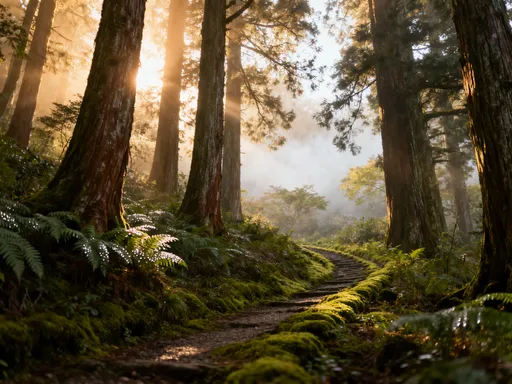
Beginning a morning hike in Ras Al Khaimah is an experience in itself. As the first light spills over the peaks, the air is crisp and still, carrying the faint scent of desert thyme and sun-warmed stone. The trail underfoot shifts from packed sand to loose gravel, then to solid rock as you gain elevation. With each step, the city fades from view, replaced by a silence so profound it feels sacred. It’s in these quiet moments, surrounded by untouched nature, that you realize you’re not just visiting a destination—you’re stepping into a different rhythm of life, one that values patience, presence, and physical effort. And it’s this very rhythm that sets the stage for what comes next: an unexpected cultural immersion unlike any other.
The Thrill of the Climb: A Day on the Trails
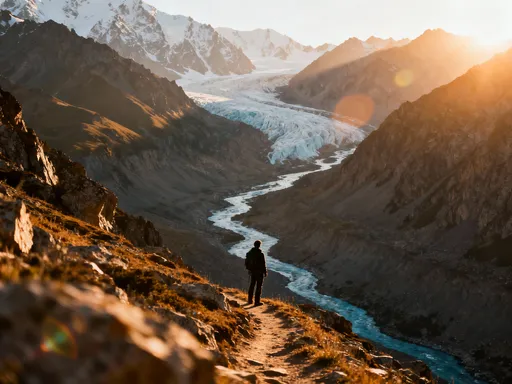
A full day spent hiking in Ras Al Khaimah is more than just a physical challenge—it’s a journey through time, terrain, and personal endurance. My own experience began at sunrise on a trailhead near the village of Dhaid, where the path wound upward through a narrow gorge flanked by rust-colored cliffs. I carried the essentials: a lightweight backpack with water, energy bars, sunscreen, a wide-brimmed hat, and a small first-aid kit. The trail started gently, but within an hour, the incline sharpened, and the real work began. Each step required focus, especially on the exposed sections where a misstep could mean a long slide down loose scree.
The sensory details of the hike remain vivid in my memory. The crunch of gravel beneath my boots echoed in the stillness, punctuated only by the occasional rustle of a lizard darting between rocks. The air carried the dry, herbal scent of artemisia and wild oregano, plants that thrive in the thin soil of the high desert. As I climbed higher, the wind picked up, whispering through crevices and cooling my skin after the exertion. At one point, I paused to catch my breath and noticed a small cluster of mountain goats perched on a ledge above me, their sure-footed grace a reminder of how perfectly adapted life can be to this harsh environment.
Along the way, I passed traces of ancient human presence—rock carvings etched into stone, believed to be thousands of years old, and remnants of old stone walls that may have once marked animal enclosures or seasonal dwellings. These subtle signs of history added a layer of depth to the journey, connecting the physical effort of the climb to a long lineage of people who have lived in and traversed these mountains. It wasn’t just about reaching the summit; it was about feeling part of a continuum, a brief participant in a landscape shaped by both nature and culture.
When I finally reached the summit of Jebel Jais, the sense of accomplishment was overwhelming. The view stretched for miles—layered ridges fading into the horizon, wadis snaking through the desert, and the distant glint of the Gulf. I sat for a long time, sipping water and simply absorbing the stillness. That moment of quiet triumph, earned through sweat and determination, created a deep sense of readiness—readiness for rest, for reflection, and, as I would soon discover, for discovery. The physical exertion had sharpened my senses, making me more attuned to detail, more present in the moment. And that heightened awareness would prove invaluable when I descended not to a car park, but to a world of color, scent, and craftsmanship waiting just beyond the trail’s end.
From Summit to Souk: The Unexpected Transition
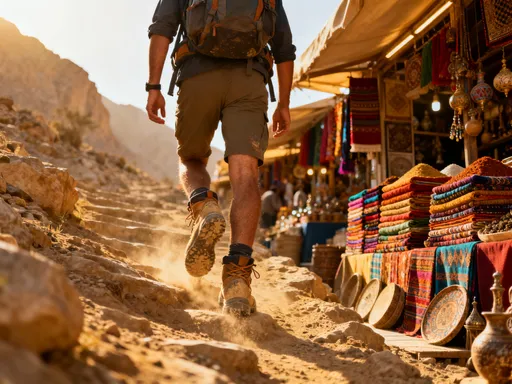
What I hadn’t anticipated was how seamlessly the wilderness would give way to culture. After descending from Jebel Jais, I followed a dirt track that led into the outskirts of a small village, where the first signs of human settlement appeared not as modern buildings, but as clusters of market stalls under shaded awnings. This was no tourist trap tucked inside a shopping mall—it was a living, breathing marketplace where locals gathered, vendors arranged their goods with pride, and the rhythm of daily life unfolded in plain sight. The transition from rugged trail to vibrant souk was jarring in the best possible way, like stepping from a silent film into a Technicolor dream.
It turns out that many of Ras Al Khaimah’s hiking trails end near or pass through traditional villages, where markets have long served as community hubs. These aren’t planned attractions designed for hikers; they’re organic extensions of local life. After a long day on the mountain, it’s common for both residents and visitors to gather in these spaces to rest, socialize, and trade goods. Vendors often set up near trail access points, knowing that hikers will emerge tired, thirsty, and curious. The result is a unique fusion of adventure and authenticity—where the end of a physical journey becomes the beginning of a cultural one.
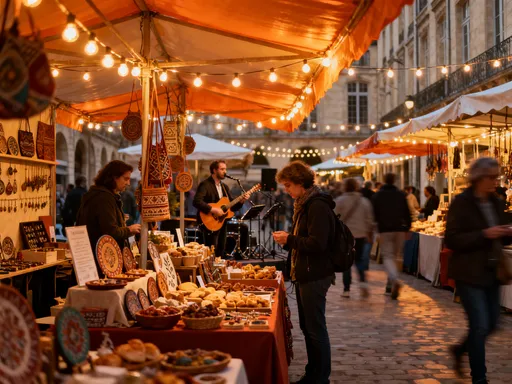
The atmosphere in these markets is markedly different from the polished boutiques of city malls. There’s no air conditioning, no background music, no digital price tags. Instead, you’re greeted by the warm hum of conversation, the clink of spice ladles, and the rich aroma of cardamom and saffron drifting through the air. Stalls are made of wood and canvas, their canopies stained by sun and time. Merchants sit cross-legged or on low stools, inviting passersby to browse with a smile and a gesture. The pace is slow, deliberate, encouraging you to linger, touch, smell, and engage. After hours of focused exertion on the trail, this sensory richness feels deeply restorative.
What struck me most was how the physical effort of the hike heightened my appreciation for the market’s offerings. My body, still humming with endorphins, was more receptive to color, texture, and scent. A handwoven rug wasn’t just a decorative item—it felt like a story told through fiber and dye. A jar of golden honey wasn’t just a purchase—it was the taste of desert blossoms and patient beekeeping. The act of shopping, usually seen as passive or indulgent, became an active extension of the journey. It wasn’t retail therapy; it was cultural communion, earned through effort and experienced with gratitude.
What You Can Actually Buy (And Why It Matters)
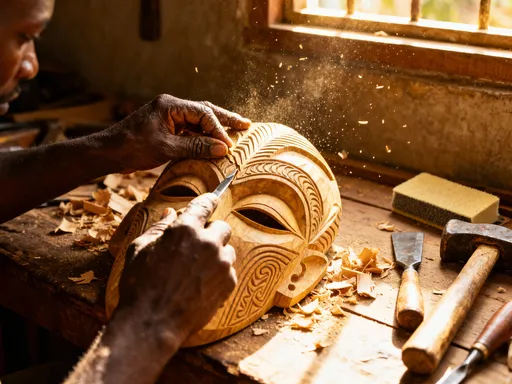
The products available in these post-hike markets are as authentic as they come. Unlike mass-produced souvenirs sold in tourist centers, these items are often made by hand, using techniques passed down through generations. One of the most striking categories is textiles—handwoven rugs, embroidered dishdasha fabrics, and intricately patterned scarves dyed with natural pigments. These are not just decorative; they represent a living craft tradition that risks fading in the face of industrialization. By purchasing them directly from the artisans, hikers contribute to the preservation of cultural heritage and provide sustainable income to local families.
Another unique offering is the Omani khanjar, a traditional curved dagger that holds deep cultural significance in the region. While real ceremonial daggers are not for sale to tourists, many vendors offer high-quality replicas made by local craftsmen. These are not mere trinkets—they are works of art, with handles carved from camel bone or wood and sheaths adorned with silver inlay. Owning one is a way to honor the region’s history and craftsmanship. Similarly, camel wool products—such as blankets, hats, and gloves—are both practical and symbolic. The wool is naturally insulating, soft, and durable, making it ideal for both desert heat and mountain chill. More importantly, buying these items supports nomadic herding communities whose way of life is increasingly under pressure.
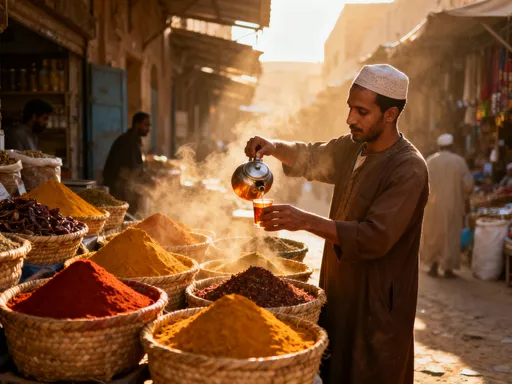
Spice stalls are another highlight, offering a vibrant array of flavors central to Emirati cuisine. Cumin, coriander, turmeric, and saffron are sold in bulk, often blended into custom mixes like baharat or hawaij. Vendors are happy to explain the uses of each spice, sometimes sharing family recipes or cooking tips. These aren’t just ingredients; they’re gateways to local culture, inviting you to recreate the tastes of Ras Al Khaimah in your own kitchen. Purchasing spices in bulk also ensures freshness and value, far exceeding what’s available in pre-packaged forms elsewhere.
One of the most important aspects of shopping here is knowing how to identify genuine crafts. Mass-produced imitations—often imported from abroad—do appear in some stalls, but they’re usually easy to spot. Authentic items tend to have slight imperfections, irregular stitching, or variations in color that reflect handmade production. Artisans are typically proud to explain their process, and many will demonstrate weaving, carving, or dyeing techniques on the spot. When in doubt, ask about the origin of the product. If it’s made locally, the seller will know—and will likely tell you with pride. Supporting genuine craftsmanship isn’t just ethical; it ensures that your souvenirs carry real meaning, not just monetary cost.
The Best Markets to Visit After Your Hike
While Ras Al Khaimah has modern shopping centers, the most rewarding post-hike experiences are found in its traditional markets. The old souk in the heart of the city is a must-visit, with narrow alleys lined with family-run shops selling everything from incense to pottery. But for hikers, the real gems are the smaller, village-based markets that pop up near trailheads. The weekend bazaar in the town of Rams, for example, is a favorite among outdoor enthusiasts. It’s not large, but it’s packed with authenticity—local women selling homemade jams, elders offering hand-carved walking sticks, and spice merchants blending custom mixes on request.
Another excellent option is the seasonal market near Wadi Ghalilah, which operates on weekends during the cooler months. Located just a short walk from the trail exit, it’s a natural stopping point for hikers looking to refuel and explore. The atmosphere is relaxed and welcoming, with children playing nearby and tea being served in small glass cups. Unlike commercial malls, these markets don’t operate on rigid schedules or standardized pricing. Instead, they follow the rhythm of the community, opening when vendors arrive and closing when the sun sets. This unpredictability adds to their charm, making each visit feel unique.
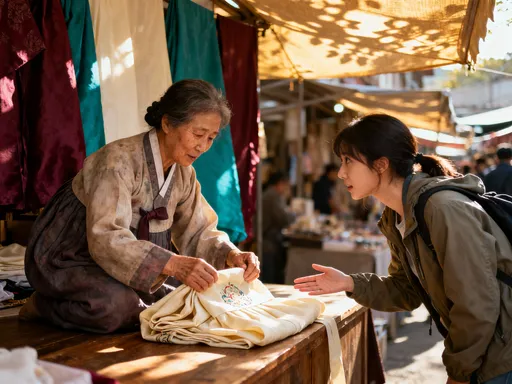
One of the joys of these markets is the absence of aggressive sales tactics. Shopkeepers are friendly and respectful, happy to chat or offer samples without pressure to buy. Bargaining is common, but it’s done politely and with a smile—it’s part of the cultural exchange, not a transactional battle. Hikers who take the time to engage in conversation often walk away with more than just goods; they gain stories, connections, and a deeper understanding of the place they’ve just explored.
Timing your visit to coincide with the end of your hike maximizes both relaxation and discovery. Arriving tired from the trail, you’re more inclined to slow down, sit for tea, and let the market reveal itself at its own pace. The physical effort primes you for a more mindful experience, making it easier to appreciate the details—the weave of a basket, the scent of myrrh, the warmth of a handshake. In this way, the market isn’t just a stop; it’s a continuation of the journey, a natural conclusion to a day of exploration.
Practical Tips for Combining Hiking and Shopping
To make the most of this unique combination, planning is essential. The best time to hike is early in the morning, starting before 7 a.m. to avoid the midday heat. This allows you to complete your ascent and descent by late morning or early afternoon, leaving ample time to visit a market while it’s still active. Most village markets begin to wind down by 4 p.m., so timing your hike accordingly ensures you don’t miss the full experience.
What you carry matters. Hydration is critical—bring at least two liters of water per person, especially on longer trails. Pack light, but include a small, foldable bag for purchases. Many vendors don’t provide plastic bags, and you’ll want to carry your finds without damaging them. Cash is still king in these markets; while some larger stalls may accept cards, most small vendors operate on a cash-only basis. Having small denominations makes transactions smoother and shows respect for local customs.
Transportation between trailheads and markets varies. Renting a car offers the most flexibility, allowing you to park at a trailhead and drive directly to a nearby village. Local taxis are available but may require advance arrangement, especially in remote areas. Some hiking groups coordinate shuttle services, which can be a convenient option for solo travelers. If you’re unfamiliar with the terrain, consider joining a guided tour—many include both the hike and a market visit, with insights from local experts.
Respecting local customs enhances the experience for everyone. Dress modestly when shopping, especially for women—covering shoulders and knees is appreciated. Men should avoid sleeveless shirts. When browsing, ask before taking photos of people or goods. Haggling is expected, but it should be done with politeness and a smile. Starting at 60% of the asking price and negotiating upward is a common approach. Above all, engage with kindness and curiosity. A simple “hello” in Arabic—“marhaban”—can open doors and warm hearts.
Why This Combo Beats Any Mall Trip
There’s a deep, quiet satisfaction in earning your shopping experience through physical effort. Unlike a trip to a climate-controlled mall, where everything feels sanitized and predictable, hiking to a market in Ras Al Khaimah grounds you in the real world. You arrive not as a passive consumer, but as an active participant in a story that spans landscape, culture, and personal effort. The items you buy aren’t just objects; they’re emblems of a journey, each one carrying the memory of the trail, the summit, and the conversation that led to the purchase.
This blend of nature and culture creates a travel memory that lingers long after the trip ends. You don’t just remember what you bought—you remember how you felt when you bought it. The warmth of the sun on your shoulders, the ache in your legs, the scent of spices in the air, the smile of the artisan who made the rug you now drape over your sofa. These sensory details weave together into a richer, more meaningful narrative than any glossy advertisement or curated Instagram post.
In a world where retail therapy often feels hollow, this experience offers something deeper: connection. Connection to place, to people, to tradition, and to yourself. It reminds us that the best things in life aren’t bought—they’re earned. And in Ras Al Khaimah, where mountains meet markets, adventure becomes a bridge to authenticity. This isn’t just a destination. It’s a story you live, one step and one find at a time.