This Is What Happens When Tahiti’s Culture Comes Alive – You Gotta See It
Imagine stepping into a world where drums echo through palm-lined streets, colors explode in dance, and the ocean breeze carries ancient chants. That’s Papeete during festival season—vibrant, raw, and utterly unforgettable. I arrived curious, but left transformed. This isn’t just a party; it’s the heartbeat of Tahiti. Let me take you inside the magic of a real island celebration, where every rhythm tells a story and every smile feels like home.
Arrival in Papeete: First Impressions of Tahiti’s Lively Capital
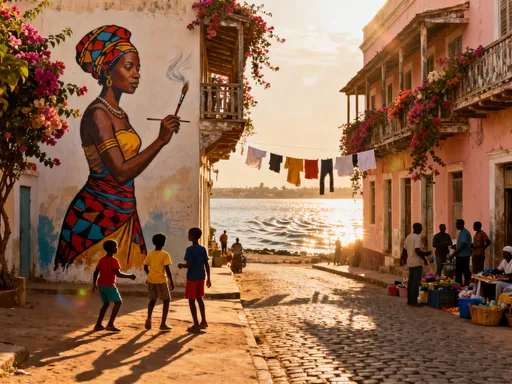
The moment you step off the plane in Papeete, the warmth wraps around you—not just from the tropical air, but from the spirit of the place. The scent of frangipani and saltwater drifts through the terminal, and the distant beat of drums pulses like a second heartbeat. Gone is the quiet image of Tahiti as a distant paradise reserved for honeymooners and luxury resorts. Here, in the capital of French Polynesia, life unfolds in vivid motion. Streets buzz with activity, market vendors arrange fresh coconuts and handwoven hats, and children in floral shirts dart between stalls, laughing under the midday sun.
Papeete is not a city frozen in postcard perfection. It breathes, evolves, and celebrates. The architecture reflects a blend of French colonial influence and Polynesian practicality—pastel-colored buildings with corrugated roofs, open-air markets shaded by wide canvas awnings, and churches with steep wooden spires rising above coconut palms. But during festival season, especially in the heart of July, the city transforms entirely. The streets become stages, the sidewalks turn into viewing areas, and the entire island seems to lean into a shared rhythm. This is not performance for performance’s sake. It is identity, pride, and continuity expressed through movement, sound, and community.
What strikes most is how seamlessly the festival integrates into daily life. There are no barricades separating tourists from locals, no velvet ropes around authenticity. A grandmother sells poisson cru from a roadside cart while a group of teenagers rehearse their dance steps nearby. A fisherman returns from the lagoon with his morning catch, pausing to watch a drum circle form under the banyan tree. The energy is inclusive, inviting, and deeply rooted. For visitors, this is not just a spectacle—it’s an immersion. The first impression is not of a destination, but of a living culture that welcomes you not as a guest, but as a witness to something sacred.
The Heartbeat of the Festival: Heiva i Tahiti Unveiled
At the center of this cultural explosion is Heiva i Tahiti, the annual celebration that defines the soul of the islands. More than a festival, Heiva is a revival—an affirmation of Polynesian heritage through dance, music, storytelling, and craftsmanship. Its name derives from ancient traditions, once tied to religious ceremonies honoring the gods, particularly ‘Oro, the god of war and fertility. Over time, especially during periods of colonial suppression, the practice was driven underground, preserved in secret by families and communities. Today, Heiva stands as a powerful reclamation—a vibrant, public declaration of cultural pride.
Unlike tourist-oriented performances that might feel staged or diluted, Heiva is created by Tahitians, for Tahitians. While visitors are warmly welcomed, the festival is not designed to entertain outsiders. It is a competition, a celebration of excellence, and a way for villages, schools, and dance troupes from across the islands to showcase their unique interpretations of tradition. Each group spends months preparing—choreographing routines, crafting costumes from natural materials, and rehearsing under the guidance of elders who pass down knowledge through generations.
The festival runs from mid-June to mid-July and culminates in grand performances at the To’ata Amphitheatre, a open-air venue by the sea where thousands gather under the stars. The air hums with anticipation as drummers tune their to’ere and pahu, wooden slit drums and sacred hand-beaten instruments that have echoed across Polynesia for centuries. The competition categories include traditional dance, vocal chants (himene), and even ancient sports like stone lifting and fruit-carrying races. Every element is rooted in history, yet constantly reinterpreted with creativity and passion. This is not a museum exhibit—it is a living, evolving expression of identity.
Dance That Tells Stories: Experiencing Traditional Ori Tahiti
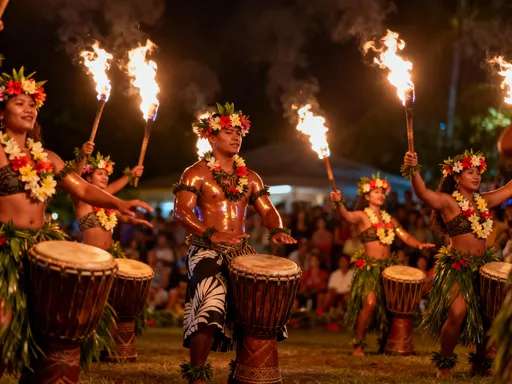
No aspect of Heiva captures the spirit of Tahiti more than Ori Tahiti, the traditional dance form that pulses with energy, precision, and meaning. To watch an Ori Tahiti performance is to witness history, mythology, and emotion translated through movement. Every gesture, every sway of the hips, every flick of the wrists carries significance. The dance is not merely aesthetic—it is narrative. A routine might tell the story of a volcanic eruption, the journey of ancestral voyagers across the Pacific, or the courtship between a warrior and a chief’s daughter.
The most striking feature for first-time viewers is the rapid hip movement, known as fa’arapu. Far from being purely decorative, this motion is deeply symbolic, representing the swaying of palm trees, the lapping of waves, or the fertility of the land. Dancers train for years to master the technique, building strength and endurance to maintain the rhythm for extended periods. The women wear vibrant costumes made from natural fibers—tifaifai (hand-stitched quilts), skirts of woven pandanus or banana leaves, and elaborate headdresses adorned with feathers and flowers. Men often perform in loincloths or traditional tapa cloth, their movements powerful and grounded, embodying strength and leadership.
What makes the experience unforgettable is the collective energy of the groups. Dozens of dancers move in perfect unison, their feet pounding the stage in time with the drums, their voices rising in chant. The synchronization is breathtaking, a testament to the hours of rehearsal and deep communal bonds. But beyond the precision, there is joy—unmistakable, radiant joy. And as a spectator, you don’t just watch. You feel it. The vibrations travel through the ground, the chants stir something deep inside, and before long, your body begins to sway in response. It’s impossible to remain passive. You are drawn into the story, not as an outsider, but as someone invited to feel the pulse of a culture that dances to keep its history alive.
Beyond the Stage: Street Markets, Local Food, and Community Spirit
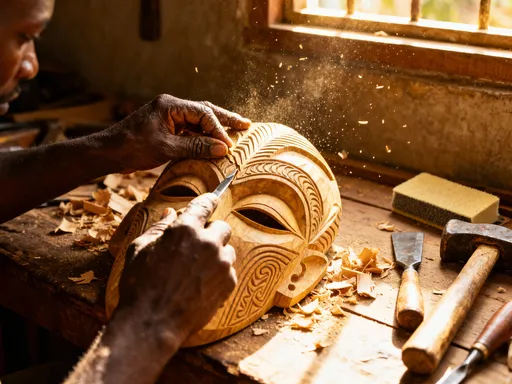
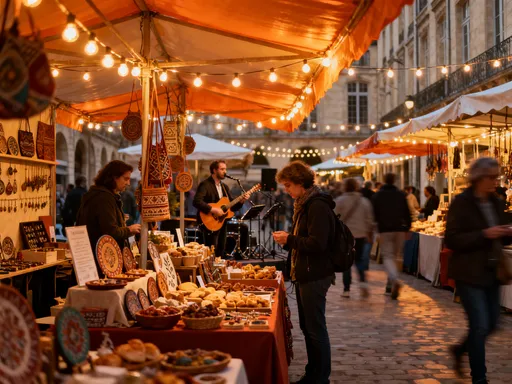
While the performances are the centerpiece, the true magic of Heiva spills beyond the amphitheatre into the streets, markets, and homes of Papeete. The festival village, set up along the waterfront, becomes a vibrant hub of activity. Here, local artisans display their crafts—hand-carved wooden tikis, woven baskets, shell jewelry, and tapa cloth painted with traditional motifs. Vendors sell floral garlands, or hei, made from plumeria, orchids, and hibiscus, each one a small work of art. Children run through the stalls with flower crowns perched on their heads, their laughter blending with the sound of ukuleles and drum practice.
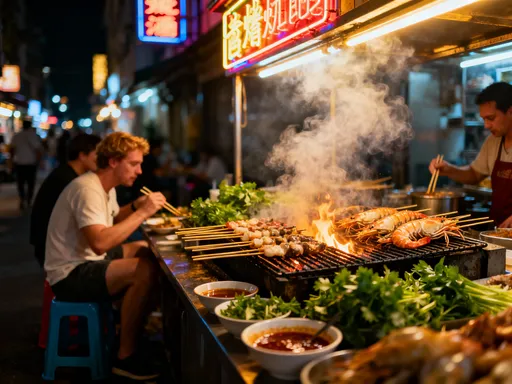
Food is another essential thread of the celebration. The scent of grilled fish, coconut milk, and roasted pork fills the air. Poisson cru, the national dish of raw tuna marinated in lime and coconut milk, is served in coconut shells, often with chunks of breadfruit or taro on the side. Families gather around picnic tables, sharing meals and stories, while food trucks and temporary stalls offer everything from sweet plantains to banana-wrapped pork cooked in underground ovens. One of the most memorable moments is watching a communal umu, or traditional earth oven, being opened—steam rising as tender meats and vegetables are revealed, cooked slowly with hot stones and banana leaves.
What makes these interactions so powerful is the openness of the people. Locals don’t treat visitors as distant observers. They offer tastes of food, explain the meaning behind a carving, or teach a few words in Reo Tahiti, the native language. A grandmother might adjust your flower lei with a smile, saying, 'Wear it on the right if you’re single, left if you’re taken.' These small gestures create connections that last far beyond the trip. The festival is not just about preserving culture—it’s about sharing it, passing it on, and ensuring it remains alive through human connection.
Choosing the Right Time: Why Festival Season Elevates Your Visit
Visiting Tahiti outside of Heiva season offers undeniable beauty—crystal-clear lagoons, overwater bungalows, and serene island escapes. But experiencing Papeete during the festival is like seeing a beloved painting come to life. The difference is not just in the events, but in the atmosphere. The island is energized, proud, and deeply engaged. This is when you see Tahiti not as a postcard, but as a living, breathing culture with a strong sense of self.
Travelers who come during the off-season often miss the deeper layers of Polynesian life. They enjoy the scenery and hospitality but may not witness the full expression of identity that Heiva represents. In contrast, a festival visit offers unparalleled access to traditions that are usually reserved for family and community events. You’re not just watching a performance—you’re participating in a cultural moment that has been centuries in the making.
From a practical standpoint, planning a trip around Heiva requires some foresight. The festival runs from mid-June to mid-July, with peak events in early to mid-July. Accommodations in Papeete and nearby islands like Moorea fill up quickly, so booking six to nine months in advance is recommended. Flights may be more expensive during this period, but the experience justifies the cost for those seeking more than a typical beach vacation. Additionally, many smaller islands host their own versions of Heiva, offering a more intimate experience. Raiatea, the spiritual homeland of Polynesia, and Huahine, known for its lush landscapes and ancient marae (temples), both hold deeply traditional celebrations that are worth exploring.
Getting the Most Out of Your Experience: A Traveler’s Guide to Respectful Participation
To truly honor the spirit of Heiva, visitors should approach the festival with respect and humility. This is not a performance for entertainment—it is a sacred expression of identity. While photography is generally welcomed, it’s important to ask permission before taking close-up shots of dancers or elders. Avoid using flash during performances, as it can be disruptive. Most importantly, refrain from imitating sacred chants or dance moves unless invited to participate. Cultural appreciation should never cross into appropriation.
There are many meaningful ways to engage. Attend workshops where locals teach basic Ori Tahiti steps or traditional crafts like weaving or tattoo art. Learn a few phrases in Reo Tahiti—simple greetings like 'Ia ora na' (hello) or 'Māuruuru' (thank you) go a long way. Wear a flower lei with care—traditionally, the side on which it’s worn indicates relationship status, though today it’s more about respect and participation. When in doubt, observe and follow the lead of locals.
Supporting the community is another powerful way to connect. Buy crafts directly from artisans, eat at family-run food stalls, and attend local church hymn nights or village gatherings. These smaller events often offer the most authentic experiences. By choosing to engage thoughtfully, you become more than a tourist—you become a respectful participant in a living tradition. The people of Tahiti are generous with their culture, but they also value those who come with open hearts and a willingness to listen.
From Spectator to Storyteller: Why This Festival Stays With You
The impact of Heiva i Tahiti lingers long after the final drumbeat fades. It’s not just the beauty of the dance or the taste of fresh poisson cru that stays with you—it’s the feeling of connection. In a world where travel often means checking destinations off a list, Heiva offers something deeper: the chance to feel part of something ancient and enduring. You leave not just with photos, but with stories—of a dancer’s smile, a shared meal, a chant that stirred your soul.
For many visitors, especially women in their 30s to 50s who seek meaningful travel experiences, Heiva becomes a turning point. It shifts the way they see culture—not as something to observe from a distance, but as something to feel, honor, and carry forward. It reminds them of the power of community, the beauty of tradition, and the joy of celebration rooted in identity. These are not fleeting emotions, but lasting impressions that reshape how they view their own lives and the world around them.
More than any luxury resort or snorkeling trip, Heiva offers a rare gift: authenticity. It shows Tahiti not as a paradise frozen in time, but as a dynamic culture that honors its past while moving forward with pride. To witness it is to understand that true beauty lies not in perfection, but in presence—in the way a drum echoes across the water, a child laughs during a rehearsal, or a community gathers to remember who they are.
Festival time in Papeete is more than an event—it’s an invitation to witness a culture in full bloom. It reshapes your understanding of Tahiti beyond beaches and luxury resorts, revealing resilience, artistry, and joy. When you go, don’t just check in—tune in. Let the drums guide you, the dances move you, and the people welcome you. Because once you’ve felt the pulse of Heiva, you carry a piece of Tahiti’s soul with you—long after you’ve left the shore.