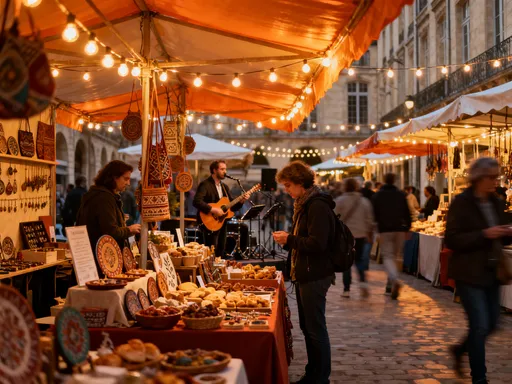
You Won’t Believe What Khartoum’s Markets Are Hiding
Khartoum isn’t just a crossroads of deserts and rivers—it’s a city where commerce pulses through every alley. I went looking for souvenirs and found soul instead. From the chaotic energy of central markets to quiet corners selling handwoven crafts, the commercial heartbeat of this capital is raw, real, and surprisingly welcoming. This is not your typical shopping trip—it’s a cultural dive. Each market tells a story: of resilience, tradition, and human connection. Whether you’re drawn to the scent of spiced air or the rhythm of barter, Khartoum’s trade culture offers an experience far deeper than transaction. It’s where everyday commerce becomes a window into the spirit of a nation.
The Pulse of Commerce in a Desert Capital
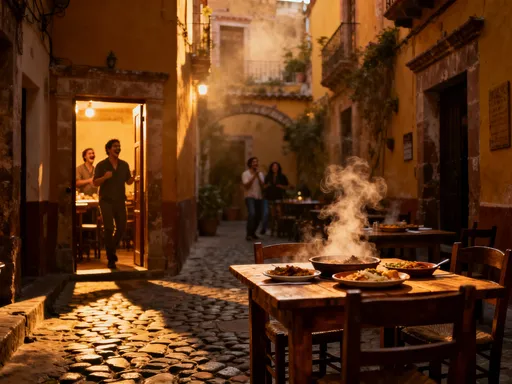
Khartoum’s identity has long been shaped by trade, a legacy born from its unique geography at the confluence of the Blue and White Nile. This meeting of waters mirrors the meeting of cultures, economies, and traditions that flow through the city’s marketplaces. Unlike the sterile predictability of modern shopping malls, Khartoum’s commercial life unfolds in open-air markets, roadside stalls, and shaded courtyards where commerce is not merely transactional but deeply social. These spaces serve as community centers, information hubs, and informal meeting grounds where news travels as quickly as coins change hands. The rhythm of the market follows the arc of the sun: mornings begin with farmers arriving from surrounding villages, their carts laden with fresh okra, tomatoes, and sorghum. By midday, the heat slows movement, and vendors retreat into shaded corners with cups of strong tea. As the sun dips, the energy returns—lamps flicker on, music drifts from nearby cafes, and street vendors reappear with grilled meats and sweet hibiscus drinks.
What makes this rhythm remarkable is how seamlessly commerce integrates into daily life. In many parts of the world, shopping is a chore or a luxury. In Khartoum, it is a way of being. Women in colorful *toub* garments move through the lanes with purpose, inspecting produce with practiced fingers. Men gather around tea kiosks, discussing the day’s events while waiting for their turn at a spice stall. Children dart between stalls, carrying messages or helping pack purchases. There is no separation between economic activity and social life—each informs the other. This organic integration reveals a truth often lost in modern consumerism: that markets are not just places to buy things, but spaces where community is built, identity is expressed, and culture is preserved.
The authenticity of Khartoum’s market culture lies in its resistance to homogenization. Despite global trends pushing standardized retail experiences, these markets remain stubbornly local. Prices are not fixed, signage is minimal, and digital payment systems are nearly nonexistent. Instead, trust, reputation, and personal relationships govern exchanges. A regular customer might receive a better price or an extra handful of spices simply because they’ve been coming for years. This human-centered economy stands in contrast to the impersonal nature of online shopping or chain stores. It reminds visitors that behind every product is a person—a farmer, a weaver, a trader—whose livelihood depends on these daily interactions. In this way, Khartoum’s markets are not just economic engines; they are living ecosystems of connection and resilience.
Souq Omdurman: More Than Just a Market
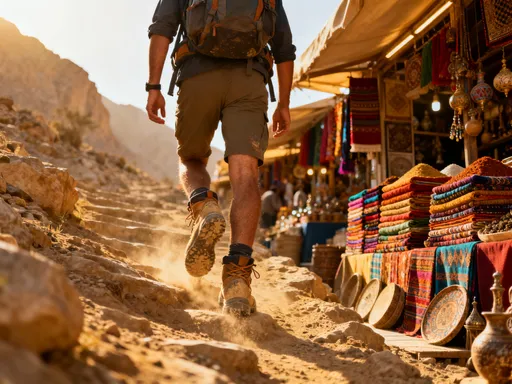
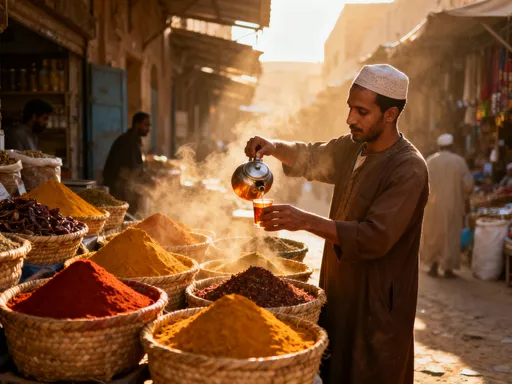
Just across the Nile Bridge from central Khartoum, Souq Omdurman rises like a labyrinth of sound, scent, and movement. One of the largest and oldest markets in Sudan, it stretches for kilometers, its narrow alleys winding through a dense network of stalls and shops. To walk through Souq Omdurman is to step into the beating heart of Sudanese commerce. The air is thick with the aroma of cumin, turmeric, and cardamom—spices piled in colorful mounds that look like miniature dunes. Nearby, stacks of dried dates, figs, and nuts glisten under the sun, while bolts of cotton fabric in vibrant patterns catch the breeze. Leather sandals, hand-carved utensils, and woven baskets hang from hooks, each item bearing the mark of local craftsmanship.
What sets Souq Omdurman apart is its authenticity. Unlike tourist markets in other regions that cater to foreign tastes with mass-produced trinkets, this market serves the local population first. The goods on display are not souvenirs designed for export—they are the everyday necessities and luxuries of Sudanese life. A woman shopping for a new *toub* will spend hours comparing textures and dyes, while a man might haggle over the price of a hand-stitched leather bag meant to last for years. Transactions are rarely quick; they are conversations, often punctuated by laughter or shared cups of tea offered by vendors. This ritual of hospitality transforms shopping into a social event, where relationships are nurtured as much as business is conducted.
The market also plays a vital role in preserving cultural traditions. Many of the spices sold here are used in classic Sudanese dishes like *mulah*, a rich stew served with *kisra*, a type of fermented flatbread. The presence of these ingredients ensures that culinary heritage continues to thrive. Similarly, traditional clothing, jewelry, and household items keep artisanal skills alive. Vendors often come from families that have worked in the market for generations, passing down knowledge of sourcing, pricing, and customer relations. For visitors, this continuity offers a rare glimpse into a way of life that remains largely unchanged despite external pressures. To navigate Souq Omdurman is not just to shop—it is to witness a living tradition of trade, community, and cultural endurance.
The Rise of Modern Retail Spaces
While traditional markets dominate Khartoum’s commercial landscape, a quiet transformation is underway. In wealthier neighborhoods like Riad and Al Amarat, small shopping complexes are emerging, offering air-conditioned stores, standardized pricing, and internationally recognized brands. These modern retail spaces cater to a growing middle class, returnee expatriates, and foreign professionals who seek the convenience and comfort that traditional markets cannot always provide—especially during the intense summer months when temperatures regularly exceed 40°C (104°F). Inside these centers, shoppers can find everything from packaged groceries and electronics to clothing and cosmetics, often with the ease of fixed prices and multilingual staff.
The appeal of these spaces lies in their predictability and comfort. Shoppers no longer need to haggle or navigate crowded alleys under the scorching sun. Payment options, while still limited, are gradually expanding to include mobile money and, in some cases, card transactions. These developments reflect broader economic shifts and increasing urbanization. Yet, despite their practical advantages, these modern outlets lack the soul of Khartoum’s traditional bazaars. The interactions are transactional rather than relational. Smiles are polite but not personal. No vendor offers tea or asks about your family. The absence of these small gestures—so central to the market experience—makes the atmosphere feel sterile by comparison.
Still, the rise of modern retail does not signal the decline of traditional markets. Instead, the two coexist, serving different needs and audiences. Many residents who appreciate the convenience of shopping malls still return to Souq Omdurman or local street vendors for specific items—fresh herbs, handmade bread, or custom-tailored garments—that cannot be replicated in a standardized store. This duality reflects a broader trend in urban centers across Africa, where modernization does not erase tradition but exists alongside it. The challenge lies in ensuring that economic development does not come at the cost of cultural authenticity. For now, Khartoum manages this balance with quiet resilience, allowing both forms of commerce to thrive in their own spheres.
Craft Markets and the Art of Handmade Trade
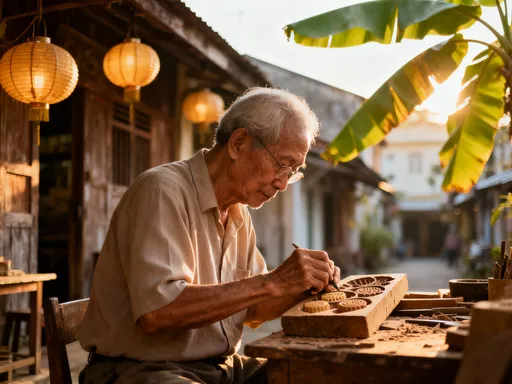
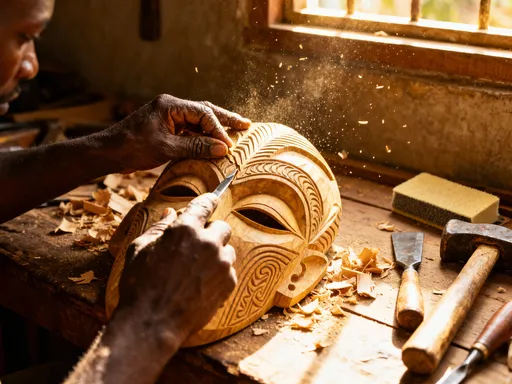
Beyond the bustling main markets, quieter districts of Khartoum harbor hidden gems: artisan markets dedicated to handmade crafts. These spaces, often tucked away in residential neighborhoods or small courtyards, showcase the rich artistic heritage of Sudan. Here, visitors encounter hand-beaded jewelry strung with colorful glass beads, intricately embroidered *toub* fabrics dyed with natural pigments, and wooden boxes carved with geometric patterns that echo ancient Nubian designs. Each piece tells a story—of lineage, of skill, of cultural pride. Many artisans are women who work in cooperatives, preserving techniques passed down from mothers and grandmothers. Their work is not mass-produced; it is created slowly, with care and intention.
One such cooperative, located in the eastern part of the city, brings together over thirty women who specialize in textile dyeing and embroidery. Using methods that have remained unchanged for generations, they produce fabrics that are both functional and symbolic. The patterns often carry meanings—some represent fertility, others protection or prosperity. These textiles are worn during weddings, religious celebrations, and family gatherings, embedding art into the fabric of daily life. The women sell their work at weekend craft fairs and local markets, where prices are fair and bargaining is gentle. Unlike the aggressive haggling seen in larger bazaars, these exchanges are marked by mutual respect. Buyers are often encouraged to learn about the process, even trying their hand at simple stitches or dyes.
Purchasing from these artisans is more than a shopping experience—it is an act of cultural preservation. With industrial textiles and imported clothing becoming more common, handmade crafts face increasing competition. Yet, the demand for authentic, locally made items remains strong among those who value heritage and sustainability. For visitors, buying a hand-dyed scarf or a beaded bracelet is not just acquiring a souvenir; it is supporting a tradition, honoring a craftsperson, and carrying a piece of Sudanese identity home. These markets, though small in size, are powerful in significance. They remind us that commerce can be ethical, personal, and deeply meaningful.
Street Vendors: The Unsung Heroes of Khartoum’s Economy
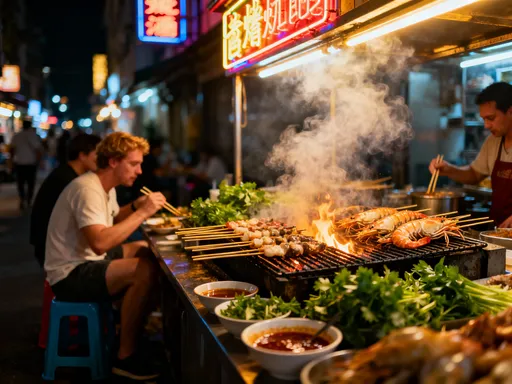
In every corner of Khartoum, commerce finds a way. On sidewalks, under trees, beside traffic circles, street vendors appear with quiet determination, offering everything from grilled corn and sugarcane juice to phone chargers, secondhand books, and hand-sewn patches. These micro-entrepreneurs form the backbone of the city’s informal economy, providing affordable goods and essential services to residents across income levels. A cup of freshly squeezed hibiscus drink costs less than a dollar; a repaired sandal saves a family from buying a new pair. Their presence ensures that even the most basic needs are met with accessibility and dignity.
What makes these vendors remarkable is their adaptability. When the afternoon rains come, they quickly shift under awnings or beneath market canopies. When the sun blazes, they follow the shade, moving their small tables or carts to stay cool. Some use simple wooden carts, others spread their wares on cloths laid over the pavement. Many operate without official permits, yet they maintain order through unspoken rules and mutual respect. They know their regular customers by name, remember their preferences, and often extend credit to those in need. This informal network operates on trust—a currency more valuable than cash in many ways.
Despite their importance, street vendors are often overlooked in official economic reports and urban planning. They receive little support, face occasional harassment, and lack access to basic infrastructure like clean water or waste disposal. Yet, they persist with ingenuity and resilience. Some have begun using mobile money to receive payments, reducing the risk of theft. Others collaborate in small groups to share resources or protect each other’s stalls. For visitors, engaging with these vendors offers a genuine connection to the city’s spirit. A simple purchase becomes a moment of human exchange—a smile, a shared joke, a brief conversation about the weather or the latest football match. In these fleeting interactions lies the true pulse of Khartoum: not in grand monuments or luxury boutiques, but in the quiet dignity of everyday survival and connection.
Navigating Markets: Practical Tips for Visitors
Shopping in Khartoum is an experience that requires openness, patience, and a willingness to engage. Unlike the self-service model common in Western retail, transactions here are relational. Cash is essential—credit cards are rarely accepted, and ATMs may not always be reliable. It is wise to carry small denominations, as change can be difficult to find in busy markets. Dressing modestly is also important, both out of respect for local customs and for comfort in the heat. Light, loose-fitting clothing in natural fabrics is ideal.
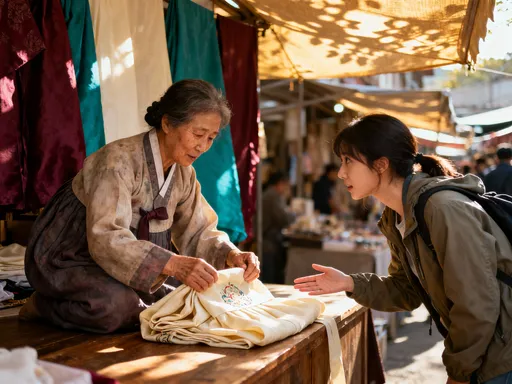
Haggling is expected in most traditional markets, but it should be done with politeness and a sense of humor. The goal is not to win but to reach a fair price through friendly negotiation. A good rule of thumb is to start at about half the quoted price and work toward a middle ground. Smiling, maintaining eye contact, and showing genuine interest in the product go a long way. If a vendor offers tea, accepting is a powerful gesture of goodwill—it signals that you are not just a customer but a guest. These small acts of respect build trust and often lead to better prices and richer interactions.
Visitors should also be prepared for time to slow down. A simple purchase can turn into a 20-minute conversation about family, football, or the challenges of the dry season. Rushing is seen as rude; patience is valued. It is also helpful to learn a few basic phrases in Arabic, such as “Min fadlak” (please) and “Shukran” (thank you). These small efforts are warmly received and deepen the connection. Lastly, it is important to stay aware of personal belongings in crowded areas, though crime rates in markets are generally low. With these tips in mind, visitors can navigate Khartoum’s markets with confidence, respect, and curiosity.
Why Khartoum’s Commercial Culture Matters
The markets of Khartoum are more than places to buy goods—they are living archives of Sudanese life. They have endured droughts, economic fluctuations, and political changes, yet they continue to thrive, adapting without losing their essence. They reflect values that are increasingly rare in a globalized world: community, resilience, authenticity, and human connection. In an era where digital shopping and algorithm-driven recommendations dominate, Khartoum’s markets offer a powerful alternative—a reminder that commerce can be personal, meaningful, and deeply cultural.
For travelers, these markets are not mere stops on an itinerary; they are destinations in themselves. To walk through Souq Omdurman, to sip tea with a street vendor, to hold a hand-dyed textile created by a local artisan—is to understand the soul of Khartoum. These experiences foster empathy, broaden perspectives, and create lasting memories. They challenge the notion that development must mean Westernization, showing instead that progress can take many forms, including the preservation of tradition.
Supporting these markets, whether through purchases or respectful engagement, is a way of honoring Sudan’s cultural heritage. It affirms the dignity of those who work within them and helps sustain a way of life that values relationship over efficiency, craft over convenience, and community over consumption. In a world that often feels disconnected, Khartoum’s markets stand as a testament to the enduring power of human connection. They invite us not just to shop, but to see, to listen, and to belong—even if only for a moment.