You Won’t Believe What I Found Shopping at Bordeaux’s Festivals
If you think Bordeaux is just about wine and grand architecture, think again. I stumbled upon a whole different side of this French gem—vibrant festival markets where shopping feels like treasure hunting. From handcrafted jewelry to local art, every stall tells a story. The energy is electric, the flavors unforgettable, and the finds? Absolutely unique. This isn’t your average shopping trip—it’s a cultural experience wrapped in creativity and joy. More than mere transactions, these moments connect visitors with the soul of the city, where tradition meets innovation in the most delightful ways. Whether you're sipping spiced cider under fairy lights or admiring a ceramic bowl shaped by local hands, Bordeaux’s festival markets offer a sensory journey that lingers long after the suitcase is unpacked.
The Festival Vibe: Where Shopping Meets Celebration
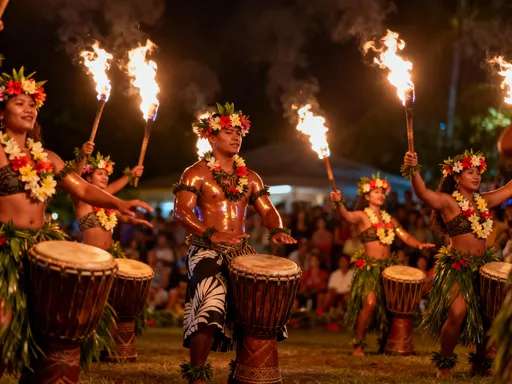
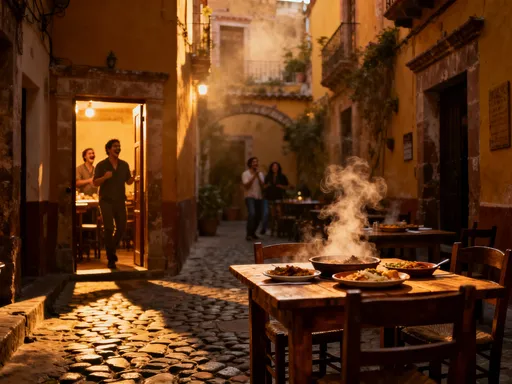
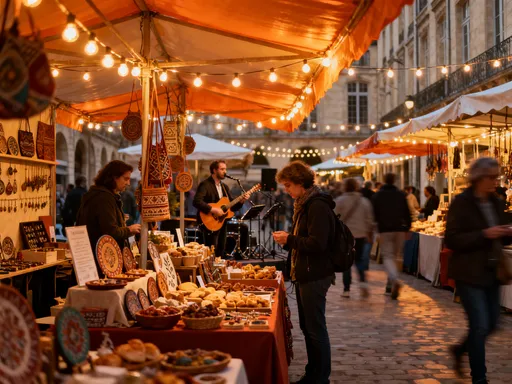
Bordeaux’s festivals transform its elegant plazas and tree-lined squares into dynamic stages of celebration and commerce. The air hums with anticipation as market stalls rise like pop-up villages in the heart of the city. Place de la Bourse, normally a stately monument to 18th-century grandeur, becomes a pulsing hub of color and sound during major events. Strings of lanterns sway overhead, and the scent of warm crepes and roasting chestnuts drifts through the breeze. Live jazz bands play in corners, street artists sketch portraits for passersby, and children laugh as they chase soap bubbles blown by performers in whimsical costumes. It’s not just shopping—it’s immersion in a living cultural tapestry.
What sets these festivals apart is their deep-rooted sense of community. Locals don’t just attend—they participate. Grandmothers in floral scarves browse linen napkins made by women from nearby villages. Couples sip small glasses of rosé while listening to acoustic guitarists tucked between stalls. The rhythm of these gatherings mirrors the city’s own heartbeat: steady, warm, and deeply connected to seasonal change and shared heritage. These are not commercial spectacles designed for tourists alone, but authentic expressions of Bordeaux’s identity—where craftsmanship, cuisine, and conviviality come together in perfect harmony.
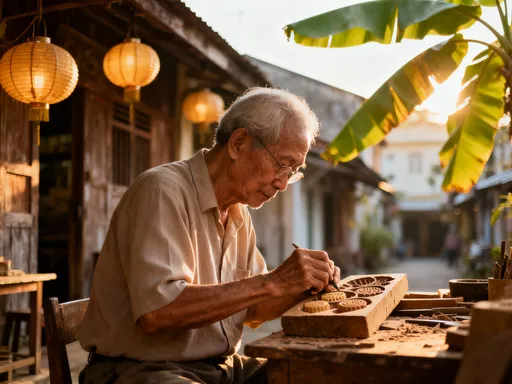
The sensory richness of these markets elevates the experience beyond mere consumption. The rustle of handmade paper, the glint of hand-forged silver, the deep aroma of goat cheese aging in wooden crates—all contribute to an atmosphere that feels both timeless and immediate. Vendors speak proudly of their work, often passing down techniques from generation to generation. This is not mass production; it’s personal creation. And for the visitor, each interaction becomes a small exchange of stories, a brief but meaningful connection that transcends language. In these moments, shopping transforms from a task into a ritual of appreciation and discovery.
Must-Visit Festival Markets in Bordeaux
For those eager to explore, Bordeaux offers a rotating calendar of markets that reflect the city’s seasonal rhythms and regional pride. Among the most renowned is the Fête le Vin, a biennial celebration that transforms the entire riverfront into a sprawling showcase of viticulture and artisanal goods. While wine takes center stage, the surrounding stalls brim with complementary treasures: oak-aged vinegars, wine-infused chocolates, and hand-etched glassware perfect for toasting under the summer sky. The event draws crowds from across Europe, yet retains an intimate, neighborhood feel thanks to its emphasis on local producers and interactive workshops.
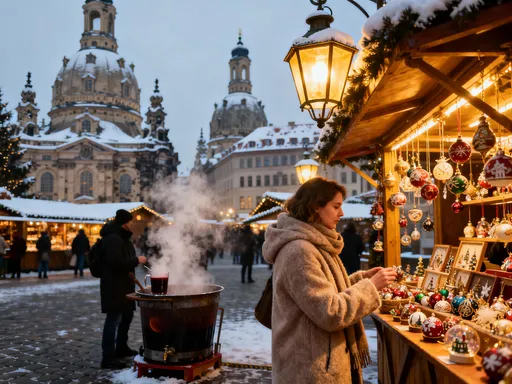
Another highlight is the Marché de Noël, which arrives with the first chill of winter and turns Place de la Comédie into a glowing wonderland. Wooden chalets line the square, each adorned with garlands and flickering candles. Here, visitors find hand-knit woolen scarves, artisanal candles scented with pine and cinnamon, and delicate ornaments carved from walnut wood. Children press their noses against glass displays of marzipan fruits and gingerbread houses, while adults warm their hands around mugs of spiced mulled wine. Though inspired by Central European traditions, Bordeaux’s Christmas market carries its own distinct flavor—less alpine, more Atlantic, with touches of maritime charm and regional flair.
Year-round, the Saint-Pierre neighborhood hosts one of the city’s most beloved open-air markets. Nestled in the shadow of the ancient Saint-Pierre Church, this daily market becomes especially lively on weekends when additional artisans join the regular vendors. Shoppers can find everything from organic honey harvested in the Gironde countryside to hand-stitched leather journals made by local craftsmen. The area’s cobblestone streets amplify the sense of stepping back in time, while the nearby boutiques and cafés offer perfect spots to pause and reflect on a morning’s discoveries. For those seeking authenticity over spectacle, this market delivers an unfiltered glimpse into Bordeaux’s daily life.
Meanwhile, the Esplanade des Quinconces occasionally hosts thematic pop-up markets—from vintage fashion fairs to eco-design expos—drawing younger crowds and creative entrepreneurs. These events often feature live demonstrations, such as natural dyeing techniques or pottery throwing, allowing visitors to witness the making of the items they admire. The flexibility of these temporary markets ensures that no two visits are ever the same, reinforcing Bordeaux’s reputation as a city that values innovation alongside tradition.
What’s on Offer: Unique Finds You Can’t Miss
The true magic of Bordeaux’s festival markets lies in the uniqueness of the goods available—items that cannot be found in department stores or online marketplaces. One standout category is textiles, particularly hand-painted silk scarves created by independent designers based in the region. Using natural dyes and motifs inspired by the Dordogne landscape or vintage Bordeaux posters, these scarves are wearable art. Each piece is signed and numbered, often accompanied by a small card explaining the inspiration behind the design. They make for exquisite gifts or personal keepsakes that carry both beauty and narrative.
Equally compelling are the food-based specialties that reflect the terroir of southwestern France. Small-batch winemakers from villages just outside the city offer limited-edition bottles—perhaps a crisp white from Entre-Deux-Mers or a bold, velvety red from Saint-Émilion. These are not the wines found on supermarket shelves, but experimental blends or single-vineyard expressions shared with pride. Many vendors welcome visitors to sample before purchasing, turning each transaction into a mini-tasting experience. Paired with local treats like salted caramel from the Atlantic coast or chestnut flour biscuits from the Pyrenees foothills, these offerings provide a delicious education in regional flavors.
Artisanal ceramics are another highlight, with potters showcasing glazed bowls, pitchers, and teacups fired in wood-burning kilns. The craftsmanship is evident in every curve and glaze variation—no two pieces are exactly alike. Some artisans incorporate traditional Gascon patterns, while others experiment with modern forms and earth-toned finishes. These functional works of art speak to a deep respect for material and method, and many buyers choose them not just for their beauty but for their sustainability. Unlike factory-made tableware, each piece is built to last, designed to be used and cherished for years.
For those seeking something truly personal, custom leather goods offer a rare opportunity. Artisans at select stalls take orders for hand-stitched wallets, passport holders, or tote bags, often engraving initials or dates upon request. The process can take weeks, but the result is a one-of-a-kind accessory that ages gracefully over time. These items embody the essence of slow luxury—thoughtful, durable, and deeply meaningful. In a world of fast fashion and disposable goods, such creations stand as quiet acts of resistance, reminding us of the value of patience and care.
How to Shop Like a Local: Tips for the Savvy Traveler
To fully enjoy Bordeaux’s festival markets, a bit of preparation goes a long way. Arriving early—ideally between 9:00 and 10:30 a.m.—ensures access to the fullest selection, especially for popular items like limited-edition preserves or hand-thrown pottery. Early mornings also mean fewer crowds, allowing for more relaxed browsing and better conversations with vendors. Many artisans appreciate the quiet start to their day and are often more willing to share stories or offer recommendations when the pace is calm.
Cash remains essential at smaller stalls, even in an increasingly digital world. While some vendors now accept contactless payments, others operate on a cash-only basis, particularly those from rural areas who travel in for weekend events. Carrying a modest amount of euros in small denominations ensures smooth transactions and shows respect for the informal economy that sustains many of these artisans. Additionally, bringing a reusable shopping bag not only reduces waste but also makes it easier to carry purchases comfortably as the day unfolds.
Engaging with vendors can greatly enrich the experience. A simple 'Bonjour' followed by a polite inquiry in basic French—such as 'C’est fait ici?' (Is this made here?) or 'Pouvez-vous me raconter l’histoire de ce produit?' (Can you tell me the story of this product?)—often opens the door to heartfelt exchanges. Many artisans take pride in their work and are delighted when visitors show genuine interest. Even a few words in French can build rapport and lead to insider tips, such as where to find a hidden stall selling lavender-infused honey or which baker makes the best canelé in the market.
Comfort is another key consideration. The markets often require extended walking on cobblestones or uneven ground, so wearing supportive, closed-toe shoes is advisable. A light scarf or jacket can be useful, especially in spring or autumn when temperatures shift throughout the day. Planning for breaks is equally important—Bordeaux’s café culture makes it easy to pause for a coffee or glass of local cider at a nearby terrace. These interludes not only provide rest but also offer moments to reflect on the morning’s finds and plan the next stop.
Beyond the Market: Pairing Shopping with City Exploration
Festival shopping in Bordeaux naturally blends with broader sightseeing, creating a seamless and enriching travel itinerary. After a morning spent exploring the stalls at Place des Quinconces, a short walk leads to the Cité du Vin, a striking modern museum dedicated to the history and culture of wine. Its panoramic view from the top floor offers a breathtaking perspective of the city and the Garonne River, making it a perfect post-market reward. Interactive exhibits and wine tastings allow visitors to deepen their understanding of the very products they may have just purchased at the market.
Similarly, the historic Saint-Pierre district, home to one of the city’s most authentic markets, is surrounded by architectural gems. The nearby Pey-Berland Tower invites climbers for a panoramic city view, while the Musée d’Aquitaine provides insight into the region’s rich past—from Roman settlements to maritime trade. Visitors can easily spend half a day alternating between browsing stalls and stepping into centuries-old buildings, creating a rhythm that balances discovery with reflection.
For those who enjoy scenic walks, a route from the Chartrons district down to the Miroir d’Eau offers both shopping and serenity. Chartrons, once a hub for wine merchants, now hosts antique shops and design boutiques that complement the festival market experience. A leisurely stroll along the riverfront leads to the famous reflecting pool, where the mirrored façade of the Place de la Bourse creates one of the most photographed scenes in France. This blend of culture, commerce, and calm makes Bordeaux uniquely walkable and endlessly engaging.
Public transportation and bike rentals further enhance accessibility. The city’s efficient tram system connects major districts, allowing visitors to hop between markets and attractions without fatigue. Vélo’v, Bordeaux’s bike-sharing program, offers another pleasant way to explore, with dedicated lanes and scenic riverside paths. Whether on foot, tram, or bicycle, the city invites a slow, intentional pace—one that mirrors the values celebrated in its festival markets.
Seasonal Rhythms: When to Go for the Best Experience
The timing of a visit dramatically shapes the festival market experience in Bordeaux. Summer, particularly June and July, brings the most vibrant events, with extended daylight and open-air concerts enhancing the festive mood. The Fête le Vin, when held, turns the riverfront into a 24-hour celebration of wine and culture, with light shows, boat parades, and pop-up dining experiences. The warm weather encourages lingering, and the city’s outdoor spaces come alive with energy and music.
Autumn, from September to November, offers a more intimate atmosphere, closely tied to the grape harvest and autumnal traditions. Harvest festivals in surrounding villages often extend into the city, bringing rare products like newly pressed olive oil, wild mushroom preserves, and young wines available only during this season. The cooler air carries the scent of fallen leaves and woodsmoke, adding a poetic layer to the shopping experience. This season appeals to travelers who prefer quieter crowds and a deeper connection to agricultural cycles.
Winter, especially December, transforms Bordeaux into a haven of warmth and light. The Christmas market illuminates the city with golden glows, and indoor craft fairs in historic buildings provide cozy alternatives on colder days. Heated chalets serve hot drinks and savory snacks, making even rainy afternoons feel inviting. This is the ideal time for holiday shopping with meaning—finding gifts that carry the essence of place and personhood.
Spring, though less crowded, brings its own charm. As flowers bloom in the Jardin Public and the city sheds its winter coat, smaller markets begin to reappear, often themed around renewal and nature. Artisans introduce fresh designs, and the lighter days encourage longer explorations. For those seeking a balance between activity and tranquility, spring offers an underrated but deeply rewarding window to experience Bordeaux’s festival culture.
Why Festival Shopping Matters: Culture, Community & Sustainability
Beyond souvenirs and sensory delights, festival shopping in Bordeaux carries a deeper significance. By choosing to buy from local artisans, travelers support small-scale economies and help preserve traditional skills that might otherwise fade. The potter shaping clay by hand, the weaver dyeing silk with plant extracts, the beekeeper harvesting honey from regional hives—each represents a link in a living chain of heritage and innovation. These markets are not just places to spend money, but spaces where culture is sustained through everyday choices.
Sustainability is another quiet strength of these gatherings. Most products are made in limited quantities, using natural materials and low-impact methods. Packaging is often minimal or reusable, and the emphasis on durability encourages mindful consumption. In contrast to fast fashion and mass-produced décor, these goods are designed to last, to be repaired, to be passed down. They embody a slower, more intentional way of living—one that resonates with a growing global movement toward conscious travel and ethical consumption.
Moreover, these markets foster community resilience. They provide platforms for independent creators to reach audiences, especially women and younger artisans entering the craft economy. Local governments and cultural organizations often support these events as part of broader efforts to revitalize public spaces and strengthen civic pride. In this way, every purchase becomes a small act of participation—a way to say yes to authenticity, no to homogenization, and yes to the human touch behind every object.
For the traveler, this transforms shopping from a transaction into a form of storytelling. Each item carries not just aesthetic value, but emotional and cultural weight. A scarf becomes a memory of conversation. A jar of jam recalls the smile of the maker. A ceramic cup holds the echo of a shared laugh. These are not things bought—they are experiences lived, connections made, values affirmed.
Festival shopping in Bordeaux isn’t just about buying things—it’s about connection, discovery, and joy. Each purchase carries a story, each market a heartbeat of the city. By choosing to explore these vibrant gatherings, travelers don’t just take home souvenirs—they take home memories.