You Won’t Believe What I Found Shopping in Dresden’s Cultural Heart
Dresden isn’t just about baroque palaces and art museums—its shopping scene is a quiet revelation. Wandering through cultural venues like the Zwinger complex or along the Neustadt streets, I discovered boutiques tucked inside historic halls and artisan markets buzzing with local life. This city blends heritage and retail in ways I never expected. Shopping here feels personal, meaningful—like every purchase tells a story. From handcrafted ornaments in centuries-old courtyards to contemporary design studios housed in repurposed factory spaces, Dresden offers a rare kind of retail experience. It’s not about brands or bargains; it’s about connection. Let me take you through the spots where culture and commerce beautifully collide, where every shop window reflects not just goods, but generations of artistry, resilience, and community.
The Soul of Dresden: Where Culture Meets Commerce
Dresden’s identity is one of rebirth. Heavily damaged during World War II and later reshaped under East German rule, the city has spent decades reclaiming its cultural soul. This journey of restoration is not confined to architecture or museums—it extends into the very fabric of everyday life, including how people shop. Unlike cities where tourism and retail exist in separate spheres, Dresden has woven commerce into its cultural revival. Visitors don’t simply observe history; they participate in it through the things they buy and the places they support. This integration makes shopping in Dresden feel less like consumption and more like engagement.
One of the most striking examples is the presence of retail within cultural institutions. At the Zwinger Palace, once a royal orangery and now home to world-class art collections, visitors can browse gift shops that go far beyond mass-produced souvenirs. These curated spaces feature works by local artisans—porcelain replicas inspired by Meissen originals, hand-bound journals with baroque motifs, and limited-edition prints of masterpieces from the Gemäldegalerie Alte Meister. The items aren’t merely decorative; they are extensions of the art itself. Purchasing a small ceramic bird modeled after a 18th-century sculpture isn’t just a memento—it’s a continuation of a centuries-old craft tradition.
What makes this model so effective is its authenticity. The city’s cultural institutions collaborate directly with regional makers, ensuring that profits support both the museums and the local creative economy. This symbiotic relationship means that every purchase contributes to preservation efforts. It also deepens the visitor’s experience. Rather than walking away with a generic keychain, a traveler might leave with a hand-painted ornament made by an artist living in nearby Pillnitz, or a book on Saxon textile history printed by a small press in the Neustadt. These objects carry context, stories, and intention—qualities that elevate shopping from a transaction into a meaningful act.
Moreover, the architectural setting enhances this sense of continuity. Many shops are located in restored arcades or former service wings of historic buildings, where vaulted ceilings and original stonework remind shoppers of the city’s layered past. The physical space itself tells a story of survival and renewal. In this way, commerce becomes a quiet form of remembrance, a way of honoring what was lost by investing in what has been rebuilt. Dresden’s approach shows that retail, when rooted in place and purpose, can be a powerful tool for cultural continuity.
Alaunstraße & Kunsthofpassage: Bohemian Vibes and Creative Design
If Dresden’s old town reflects its regal history, the vibrant neighborhood of Neustadt reveals its creative heartbeat. Centered around Alaunstraße, this district pulses with independent energy, where narrow streets are lined with murals, bicycle cafes, and storefronts that double as galleries. It’s here that the city’s younger generation has redefined shopping as an expression of identity and values. The boutiques along Alaunstraße are not chains—they are personal projects, often run by designers, musicians, or activists who view their shops as platforms for sustainability, art, and community dialogue.
One of the most iconic destinations in this area is the Kunsthofpassage, a cluster of five interconnected courtyards transformed into an open-air art installation. Each courtyard is dedicated to a different theme—animals, elements, light—and the buildings are adorned with surreal architectural features, like a yellow wall covered in singing rain pipes or a façade embedded with rippling blue metal panels that mimic water. Hidden within these whimsical spaces are small retail outlets selling handmade jewelry, upcycled clothing, and locally printed zines. A visitor might find a silver brooch shaped like a Dresden skyline, or a tote bag screen-printed with vintage tram illustrations, each item reflecting the city’s character in a fresh, contemporary way.
What sets these shops apart is their commitment to ethical production. Many vendors use recycled materials, natural dyes, or zero-waste patterns. One boutique specializes in reconstructed vintage garments, altering 1950s dresses into modern silhouettes while preserving their original embroidery. Another sells candles made from beeswax sourced from urban hives on nearby rooftops. These businesses don’t just sell products—they share their process. Shoppers are often invited to attend workshops, meet the makers, or learn about the origins of the materials used. This transparency fosters trust and connection, turning a simple purchase into a shared value.
The atmosphere is relaxed and inclusive. Music often spills from open doorways—live acoustic sets or curated playlists of German indie bands. Neighbors stop by to chat with shop owners, and visitors are greeted not as customers but as guests. This sense of belonging is part of the experience. In a world where online shopping dominates, Alaunstraße and the Kunsthofpassage offer something rare: a place where commerce feels human, where the line between artist and audience blurs, and where every item carries the imprint of a person, not a factory.
Dresden’s Christmas Market Magic: Seasonal Shopping at Its Finest
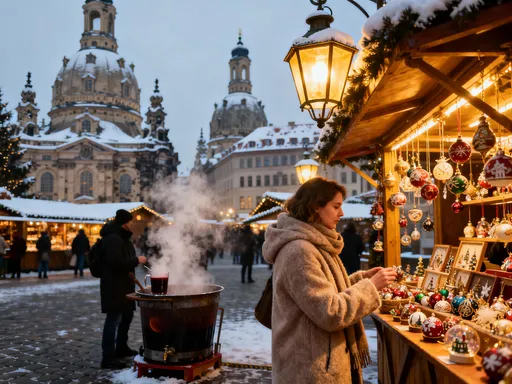
No discussion of Dresden’s shopping culture would be complete without mentioning the Striezelmarkt, one of the oldest and most beloved Christmas markets in Germany. Established in 1434, it predates even the city’s most famous landmarks and has become a living tradition, drawing hundreds of thousands each winter to the historic Altmarkt square. But this is not just a tourist attraction—it’s a deeply rooted cultural event that transforms shopping into a sensory celebration of heritage, craftsmanship, and seasonal joy.
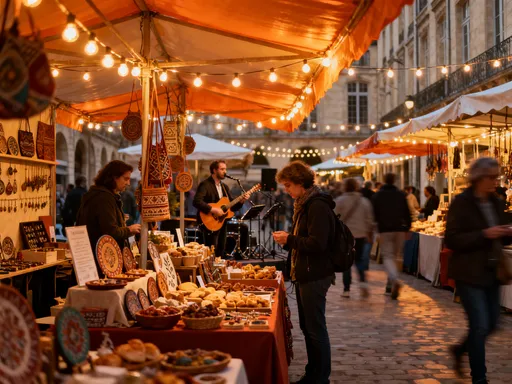
The market unfolds like a storybook village, with over 200 wooden stalls glowing under strings of warm lights. The air is rich with the scent of roasting almonds, mulled wine, and freshly baked Stollen—a fruit-filled bread that originated in Dresden and is still made according to traditional recipes. Shoppers weave through aisles adorned with hand-carved nutcrackers, wooden Advent calendars, and delicate glass ornaments. One of the most iconic items is the Pyramidenkranz, a circular Christmas pyramid decorated with miniature figures of miners, angels, or forest animals, powered by the heat of candles. These pyramids are not mass-produced; many are crafted by artisans from the nearby Erzgebirge region, where woodworking has been a family trade for generations.
What makes the Striezelmarkt special is its authenticity. Unlike commercial holiday markets that rely on imported goods, this one prioritizes regional producers. Vendors must apply for permits, and preference is given to those using traditional methods and local materials. A booth selling hand-knitted wool hats might feature yarn dyed with plants from Saxon forests. Another offers honey from hives near the Elbe River, packaged in reusable tins illustrated with vintage Dresden motifs. Even the food stalls adhere to strict guidelines—only authentic regional dishes are allowed, such as Quarkkeulchen (potato pancakes with applesauce) or Pulsnitzer Pfefferkuchen (spiced gingerbread).
For visitors, the experience goes beyond shopping. Families gather around the giant Advent calendar, where a door opens each day to reveal a small performance—a choir, a puppet show, or a folk dance. Children can try their hand at candle-dipping or gingerbread decorating. The market also hosts a Stollen Festival in December, where a ceremonial cake weighing over three tons is paraded through the streets before being sliced and shared. These rituals turn commerce into celebration, reminding everyone that the holidays are not just about buying gifts, but about sharing time, tradition, and warmth. In this setting, every purchase feels part of something larger—a thread in the fabric of a living culture.
Shopping Inside Museums: Art That You Can Take Home
In many cities, museum gift shops are an afterthought—crowded aisles of postcards, magnets, and plastic trinkets. In Dresden, they are destinations in their own right. The retail spaces within institutions like the Gemäldegalerie Alte Meister and the Grünes Gewölbe (Green Vault) are carefully designed to extend the visitor’s engagement with the collections. These are not souvenir stands; they are curated galleries of inspired design, where art is not just viewed but lived with.
At the Gemäldegalerie, home to masterpieces by Raphael, Vermeer, and Caravaggio, the shop offers high-quality reproductions of famous paintings on silk scarves, notebooks, and tea towels. A visitor might choose a limited-edition print of Raphael’s Sistine Madonna, complete with archival certification, or a puzzle featuring the intricate details of a 17th-century still life. The selection also includes scholarly books on art history, children’s activity kits, and even porcelain figurines modeled after the gallery’s most iconic works. Every item is chosen to reflect the museum’s mission: to make great art accessible and enduring.
Equally impressive is the shop at the Grünes Gewölbe, one of Europe’s most extraordinary treasure collections. Here, the merchandise mirrors the opulence of the exhibits—gold-plated desk accessories, velvet pouches embroidered with baroque patterns, and jewelry inspired by 18th-century court designs. A brooch might echo the shape of a historic diamond aigrette, or a pen set could be modeled after a royal scepter. These objects are not mere replicas; they are contemporary interpretations crafted by skilled artisans in collaboration with the museum. Purchasing one supports conservation efforts and helps fund future exhibitions.
What makes these museum shops so effective is their educational role. Staff are trained to explain the historical context behind each product, connecting the item to a specific artwork or period. A customer buying a Meissen-inspired teacup might learn about the 18th-century alchemist who discovered European porcelain, or the role of Dresden as a center of luxury craftsmanship. This depth transforms shopping into learning, allowing visitors to take home not just an object, but a piece of understanding. In a city so deeply committed to cultural preservation, these shops are not commercial sidelines—they are essential extensions of the museum experience.
Pirnaischer Platz Market: A Local’s Weekend Ritual
While the Striezelmarkt dazzles with seasonal splendor, the Pirnaischer Platz Market offers a more intimate glimpse into Dresden’s daily life. Open every Saturday morning, this weekly farmers’ and flea market draws locals from across the city, creating a lively tapestry of voices, scents, and discoveries. Nestled in a leafy square just south of the city center, it’s a place where shopping feels like participation in a community ritual—one that values freshness, authenticity, and human connection.
The market unfolds in three distinct zones. On one side, farmers sell regional produce—crisp apples from Saxon orchards, golden honey from local hives, and hearty rye bread baked in wood-fired ovens. Many vendors grow their own ingredients using organic methods, and they’re happy to explain their practices to curious shoppers. A woman selling heirloom tomatoes might describe how she rotates crops to preserve soil health, or a cheese maker might share the story behind her smoked quark. These conversations turn grocery shopping into an exchange of knowledge and trust.
Adjacent to the food stalls, artisans offer handmade goods—ceramic mugs glazed with natural pigments, woolen scarves dyed with onion skins, and wooden toys carved from sustainably harvested beech trees. One popular vendor sells botanical soaps infused with herbs grown in her garden, each bar wrapped in recycled paper stamped with a Dresden landmark. Another offers vintage clothing carefully restored—wool coats lined with silk, or linen dresses altered for modern fits. These items aren’t just beautiful; they represent a slower, more intentional way of living.
The third section is a treasure hunt of secondhand finds—vinyl records, antique books, retro kitchenware, and retro travel posters. A collector might discover a 1960s East German camera, or a parent might find a sturdy wooden rocking horse for a child. The prices are modest, and bargaining is part of the fun. Musicians often play in the corner, adding a soundtrack of jazz or folk tunes. Children run between stalls, chasing bubbles or sampling free samples of apple cider. For visitors, this market is a rare opportunity to see Dresden not as a postcard, but as a living, breathing city where people grow, make, trade, and connect.
From Königstraße to Prager Straße: Contrasts in Urban Retail
Dresden’s retail landscape is defined by contrast—one that reflects the city’s dual identity as both a cultural jewel and a modern European capital. On one end of this spectrum is Königstraße, a graceful, tree-lined avenue in the historic center known for its elegant boutiques and low-rise architecture. On the other is Prager Straße, a bustling pedestrian zone filled with international chains, department stores, and fast-fashion outlets. Together, they represent two different philosophies of shopping, each with its own appeal and purpose.
Königstraße exudes quiet sophistication. The buildings, many of which have been meticulously restored, house independent retailers specializing in high-quality goods—handmade leather bags, artisanal chocolates, bespoke stationery, and curated fashion collections. A visit here feels deliberate, almost meditative. Shop owners often know their regular customers by name, and displays are minimal, allowing each item to be appreciated individually. One boutique focuses exclusively on Saxon textiles, offering scarves woven from locally spun wool and dyed with natural indigo. Another sells timepieces crafted by a third-generation watchmaker from the Ore Mountains. These stores aren’t trying to sell volume; they’re offering craftsmanship, rarity, and care.
In contrast, Prager Straße is energetic and accessible. Anchored by the modern Centrum Galerie shopping center, it caters to convenience and variety. Here, shoppers can find global brands like H&M, Zara, and dm-drogerie, as well as electronics stores, bookshops, and cafés. It’s the go-to destination for everyday needs, last-minute gifts, or simply a place to walk and observe city life. The architecture is contemporary, with glass facades and wide sidewalks designed for foot traffic. While it lacks the historic charm of Königstraße, it plays a vital role in making Dresden a functional, inclusive city where shopping is not a luxury but a part of daily routine.
For visitors, understanding this contrast enhances their experience. Those seeking unique, meaningful souvenirs will gravitate toward Königstraße, where each purchase supports small businesses and regional traditions. Those needing practical items or familiar brands will appreciate the efficiency of Prager Straße. The key is balance—recognizing that a city thrives not by choosing one model over the other, but by embracing both. Dresden’s ability to maintain elegance and accessibility side by side is a testament to its thoughtful urban planning and respect for diverse needs.
Ethical & Sustainable Shopping: Supporting Local Craft
In recent years, Dresden has seen a growing movement toward ethical and sustainable shopping—a shift driven by both environmental awareness and cultural pride. Across neighborhoods like Blasewitz, Loschwitz, and Pieschen, small workshops and studios have emerged where artisans create ceramics, textiles, paper goods, and furniture using traditional techniques and eco-conscious methods. These makers are not just producing objects; they are preserving skills, reducing waste, and redefining what it means to shop with intention.
One such studio, located in a converted villa in Loschwitz, specializes in hand-thrown pottery using clay sourced from local riverbeds. The artist fires each piece in a wood-burning kiln, a method that reduces carbon emissions and creates unique glaze effects. Customers can purchase mugs, bowls, and vases that are both functional and beautiful, each marked with a small stamp indicating its origin. Another workshop in Blasewitz produces hand-bound notebooks using recycled paper and plant-based inks, with covers made from repurposed leather scraps. These notebooks are sold in cultural centers and independent bookshops, often accompanied by information about the production process.
What unites these businesses is a commitment to transparency and sustainability. Many participate in the city’s “Fair Kauf” (Fair Buy) initiative, a certification program that verifies ethical labor practices, local sourcing, and low environmental impact. Shoppers can look for the Fair Kauf label when choosing gifts or personal items, knowing their purchase supports responsible production. Some stores even offer repair services—mending a torn bag, replacing a broken handle—encouraging longevity over disposal.
This movement is not just about products; it’s about values. By choosing to buy from local artisans, visitors contribute to a circular economy that respects both people and the planet. They also help keep traditional crafts alive in a digital age. A handwoven rug, a hand-stitched apron, a hand-poured candle—these are not just items, but acts of resistance against mass production and cultural homogenization. In supporting them, shoppers become part of a larger story—one of care, continuity, and quiet resilience.
Conclusion
Shopping in Dresden transcends transaction—it becomes a form of cultural participation. Each store, market, and hidden courtyard offers not just products, but stories, artistry, and connection. From the baroque elegance of museum gift shops to the bohemian energy of Neustadt boutiques, from the seasonal magic of the Striezelmarkt to the everyday authenticity of Pirnaischer Platz, the city invites visitors to engage with its heritage in a tangible way. Every purchase, when made thoughtfully, becomes a gesture of respect—for the artisans, the history, and the living traditions that shape Dresden’s identity.
What sets this city apart is its ability to blend beauty with meaning, commerce with culture. Here, shopping is not a distraction from the travel experience; it is an essential part of it. It allows travelers to carry home more than souvenirs—they carry understanding, appreciation, and a sense of belonging. By choosing local, handmade, and sustainable goods, visitors help preserve the city’s unique spirit and support the people who keep its traditions alive.
Next time you travel, ask yourself: can your souvenirs carry meaning? In Dresden, they already do. Whether it’s a hand-painted ornament, a jar of local honey, or a book on Saxon art, each item is a thread in the city’s ongoing story. And when you unpack your suitcase at home, you’re not just opening gifts—you’re reopening a connection to a place that values craftsmanship, community, and continuity. That’s the quiet magic of shopping in Dresden: it turns the ordinary act of buying into a lasting act of remembering.