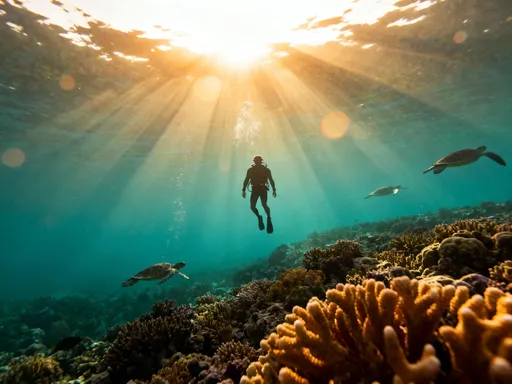
This Is What Happens When You Dive Into the Great Barrier Reef
The Great Barrier Reef isn’t just a destination—it’s a living, breathing underwater world that redefines adventure. I’ve explored reefs around the globe, but nothing compares to the sheer scale and color of this natural wonder. From swimming alongside sea turtles to spotting reef sharks gliding through coral gardens, every moment feels surreal. This guide shares real experiences, smart choices, and practical tips to help you make the most of your reef journey—without harming its fragile beauty. Whether you're a seasoned diver or a first-time snorkeler, the reef offers an experience that is both awe-inspiring and humbling. With careful planning and respect for its delicate ecosystem, your visit can become a powerful moment of connection with one of Earth’s most extraordinary environments.
Why the Great Barrier Reef Stands Out
Stretching over 2,300 kilometers along the northeastern coast of Australia, the Great Barrier Reef is the largest coral reef system on the planet. It covers an area larger than 70 million football fields and can even be seen from space. Comprised of more than 2,900 individual reefs and 900 islands, it forms a vast underwater mosaic teeming with life. This immense structure is not only a marvel of natural engineering but also a vital habitat for thousands of marine species, including over 1,500 kinds of fish, 400 types of coral, and endangered animals such as dugongs and large green turtles.
The reef’s global significance is recognized by its designation as a UNESCO World Heritage Site since 1981. It plays a crucial role in oceanic biodiversity and supports complex food webs that extend far beyond its immediate waters. Scientists regard it as a living laboratory for studying marine ecosystems, climate resilience, and coral regeneration. Unlike smaller or more isolated reef systems in Southeast Asia or the Caribbean, the Great Barrier Reef offers unparalleled diversity in both geography and marine life, allowing visitors to explore everything from shallow lagoons to deep ocean drop-offs within a single trip.
What truly sets this reef apart is its vibrancy and accessibility. While other coral reefs around the world have suffered severe degradation due to warming seas and human activity, large sections of the Great Barrier Reef remain remarkably healthy—particularly in the northern and mid-shelf regions. Travelers often describe the sensation of floating above the reef as akin to flying over a glowing garden, where colors shift with the sunlight and movement. Schools of iridescent fish swirl like living confetti, while giant clams pulse gently beneath the surface. The sheer abundance of life creates a dynamic, ever-changing environment that few other diving destinations can match.
Choosing the Right Access Point for Your Experience
Planning a visit to the Great Barrier Reef begins with selecting the right departure point, as each coastal town offers a different rhythm, pace, and range of tour options. The three primary gateways—Cairns, Port Douglas, and Airlie Beach—each cater to distinct travel styles and preferences. Understanding their unique characteristics helps ensure your reef experience aligns with your expectations, whether you're seeking adventure, tranquility, or family-friendly convenience.
Cairns, the most well-known launchpad, serves as the hub for the majority of reef tours. Its international airport and developed tourism infrastructure make it easily accessible for both domestic and international travelers. From Cairns, dozens of daily tours depart to outer reef platforms such as the famous Moore Reef and Norman Reef. These sites offer excellent visibility and a wide variety of dive and snorkel opportunities. However, popularity comes at a cost: Cairns-based tours can be crowded, especially during peak season, and some operators prioritize volume over personalized service. That said, the sheer number of choices allows travelers to find reputable companies that emphasize sustainability and small-group experiences.
Port Douglas, located about an hour north of Cairns, provides a quieter, more upscale alternative. Known for its tree-lined streets and boutique resorts, it attracts visitors looking for a more refined tropical getaway. Tours from Port Douglas often head to the Low Isles or Agincourt Reef, which lie farther offshore on the continental shelf. These outer reefs benefit from stronger currents and clearer waters, resulting in healthier coral formations and richer marine encounters. Because fewer boats operate from Port Douglas, the experience tends to be less crowded and more intimate. While prices may be slightly higher, many travelers find the trade-off worthwhile for enhanced comfort and environmental stewardship.
Airlie Beach, situated further south in the Whitsunday region, offers a different kind of access. While it's farther from the main reef systems, it serves as a gateway to the southernmost sections of the Great Barrier Reef and is ideal for those combining reef exploration with island-hopping. The Whitsundays themselves—74 pristine islands scattered across a sapphire sea—are a destination in their own right. Visitors often take multi-day sailing trips that include snorkeling stops at reefs like Hardy Reef or Bait Reef. Though water clarity here can vary depending on tides and seasonal runoff, the opportunity to blend reef time with beach relaxation and rainforest hikes makes Airlie Beach a compelling choice for families and mixed-interest groups.
Top Activities That Bring the Reef to Life
No two reef experiences are exactly alike, but certain activities consistently deliver unforgettable moments beneath the waves. Snorkeling remains the most popular option, offering easy access to the reef’s wonders without requiring certification. Most full-day tours provide high-quality masks, snorkels, and flotation devices, along with brief instruction for beginners. Floating above the coral, you’ll witness parrotfish crunching on algae, clownfish darting through anemones, and rays gliding silently across the seabed. Many operators anchor at sheltered lagoons where calm conditions allow even nervous swimmers to feel confident.
For those ready to go deeper, scuba diving opens up a new dimension of discovery. Certified divers can explore coral walls, swim-throughs, and drop-offs where larger pelagic species like reef sharks and giant gropers patrol. Entry-level dives are available for first-timers under professional supervision, while advanced divers can pursue drift dives or night dives for a completely different perspective. One of the most memorable experiences is descending onto a reef platform at dawn, when nocturnal creatures retreat and diurnal fish begin their daily routines—a quiet, almost sacred transition in the underwater world.
Not everyone feels comfortable in the water, and that’s where glass-bottom boat tours and semi-submersibles come in. These vessels allow passengers to view the reef through large underwater windows, making them ideal for older adults, young children, or anyone with mobility concerns. Knowledgeable marine guides narrate the journey, pointing out sea turtles, moray eels, and coral formations in real time. Meanwhile, scenic flights by helicopter or seaplane offer a breathtaking aerial view of the reef’s vastness—its intricate patterns visible only from above. These flights often include a stopover on a secluded pontoon or island, adding a touch of luxury to the adventure.
A typical full-day reef tour follows a well-structured itinerary designed to maximize safety and enjoyment. After an early morning departure, guests receive a safety briefing covering marine etiquette, equipment use, and emergency procedures. Morning snorkeling or diving is followed by a buffet-style lunch with fresh seafood and tropical fruits. The afternoon may include additional water activities, a guided reef walk (on sand cays), or educational talks about coral biology. Throughout the day, crew members monitor weather conditions and water quality to ensure optimal experiences while minimizing environmental impact.
How to Pick a Responsible and Reputable Tour Operator
With so many tour operators serving the Great Barrier Reef, choosing one that aligns with conservation values is essential. Not all companies operate with the same level of care, and your selection directly affects the reef’s long-term health. The best way to identify a responsible operator is to look for official eco-certifications, such as Advanced Ecotourism or Climate Action Certification from Ecotourism Australia. These labels indicate that the company adheres to strict environmental standards, including waste reduction, fuel efficiency, and staff training in reef protection.
Another key factor is the operator’s involvement in reef restoration efforts. Some companies partner with scientific organizations to support coral nurseries, monitor water temperatures, or participate in citizen science programs. Others contribute a portion of ticket sales to marine conservation funds or employ marine biologists as onboard educators. These practices not only enhance your experience with expert insights but also ensure that tourism dollars help protect the very ecosystem you’ve come to enjoy.
Pay attention to group size and boat capacity. Operators that limit passenger numbers per trip tend to offer more personalized service and reduce stress on fragile reef areas. Smaller groups mean less congestion around popular snorkeling spots, allowing marine life to behave naturally. Additionally, well-trained crew members will enforce rules such as no touching, no feeding, and no anchoring on coral—a critical safeguard against physical damage.
Red flags include operators who pressure guests to touch marine animals, allow standing on coral, or discourage the use of reef-safe sunscreen. Avoid any company that offers “guaranteed sightings” of specific species, as this promotes unrealistic expectations and can lead to risky behavior. Similarly, extremely low prices may signal corners cut in safety, maintenance, or environmental compliance. Investing in a slightly more expensive, reputable tour ensures peace of mind and contributes to sustainable tourism practices that preserve the reef for future generations.
What to Pack and Prepare Before You Go
Proper preparation enhances both comfort and responsibility during a reef visit. One of the most important items is reef-safe sunscreen. Traditional sunscreens contain chemicals like oxybenzone and octinoxate, which have been shown to contribute to coral bleaching and larval deformities. Opt instead for mineral-based formulas containing zinc oxide or titanium dioxide, which sit on the skin rather than absorbing into it. Many eco-conscious tour operators now require reef-safe sunscreen and may provide it onboard if forgotten.
An underwater camera or waterproof phone case allows you to capture memories without disturbing marine life. However, it’s important to maintain a respectful distance—never chase or corner animals for a photo. Action cameras like GoPros are popular, but ensure they’re securely mounted to avoid accidental drops. Polarized sunglasses help reduce glare on the water’s surface, making it easier to spot turtles or rays from the boat. For those prone to motion sickness, non-drowsy remedies such as acupressure bands, ginger tablets, or over-the-counter medications should be taken before departure, as sea conditions can vary.
Light, breathable clothing is ideal for the tropical climate, along with a wide-brimmed hat and reusable water bottle. Most tours provide towels, snacks, and drinking water, but bringing a small dry bag ensures personal items stay protected. If you wear prescription glasses or contact lenses, consider prescription snorkel masks or daily disposables for convenience. Children should have properly fitting gear, and parents are advised to practice snorkeling in calm waters before the trip to build confidence.
Booking well in advance is strongly recommended, especially during the dry season from June to October, when weather conditions are most favorable. This period also coincides with school holidays and peak tourist demand, meaning popular tours can sell out weeks ahead. Early reservations often come with better pricing and greater flexibility in choosing departure times and destinations. Many operators offer online check-in and digital briefings, streamlining the process for international travelers.
Beyond the Water: Combining the Reef with Coastal and Island Experiences
While the underwater world is the main attraction, the coastal regions surrounding the Great Barrier Reef offer equally rewarding experiences. Combining reef adventures with island stays or rainforest excursions creates a well-rounded itinerary that appeals to all members of the family. Green Island, a coral cay just 45 minutes from Cairns, offers white sandy beaches, walking trails through tropical palms, and easy access to fringing reefs—perfect for a relaxed day of snorkeling and picnicking.
The Whitsunday Islands, accessible from Airlie Beach, are renowned for their stunning beaches, including the iconic Whitehaven Beach, whose silica sand stays cool even under the midday sun. Visitors can take guided walks to Hill Inlet for panoramic views, kayak through mangrove channels, or enjoy a sunset dinner on the beach. Sailing charters and luxury catamarans provide multi-day itineraries that blend reef exploration with island hopping, gourmet meals, and stargazing—ideal for couples or small groups seeking a blend of adventure and relaxation.
Inland, the Daintree Rainforest offers a dramatic contrast to the marine environment. Just a short drive from Port Douglas, this ancient tropical forest is older than the Amazon and home to unique wildlife like the cassowary bird and tree kangaroo. Guided walks, canopy tours, and river cruises reveal the interconnectedness of land and sea ecosystems, reinforcing the importance of holistic conservation. Many travelers appreciate how these diverse landscapes—coral reefs, rainforests, and sandy islands—form a complete portrait of northern Queensland’s natural wealth.
Transport between reef hubs is straightforward, with regular flights, coaches, and ferries connecting Cairns, Port Douglas, and the Whitsundays. For those with more time, a self-drive journey along the Captain Cook Highway offers breathtaking coastal views and opportunities to stop at local markets, farm stands, and Aboriginal cultural centers. Planning a multi-stop trip allows you to experience different facets of the region while spreading tourism benefits across communities.
Protecting the Reef While Enjoying It
The Great Barrier Reef faces real and ongoing threats, primarily from climate change, ocean warming, and coral bleaching events. In simple terms, bleaching occurs when stressed corals expel the algae that give them color and energy, turning them white. If conditions don’t improve, the corals can die. While the reef has shown resilience, repeated bleaching episodes weaken its structure and reduce biodiversity. As travelers, we have a responsibility to minimize our impact and support efforts to protect this irreplaceable ecosystem.
Individual actions matter. By choosing sustainable tour operators, using reef-safe products, and following marine guidelines, you help reduce local stressors. Avoid littering, even with biodegradable items, and participate in any onboard recycling programs. Never take shells, coral fragments, or marine souvenirs—these may seem small, but collective removal harms habitat integrity. When snorkeling or diving, maintain neutral buoyancy and avoid kicking or touching the reef, which can break delicate coral branches that take years to regrow.
Supporting conservation doesn’t end with behavior. Many reputable tours include optional donations to reef research or restoration projects, such as the Great Barrier Reef Foundation or the Australian Institute of Marine Science. These organizations work on coral breeding, water quality monitoring, and climate adaptation strategies. Even small contributions help fund vital science and community outreach. Some travelers choose to adopt a coral or sponsor a reef monitoring buoy as a meaningful way to give back.
Education is another powerful tool. Listening to marine biologists on board, asking questions, and sharing what you learn with others amplifies awareness. Children, in particular, benefit from understanding how their choices affect nature. Many tour operators offer junior ranger programs that teach kids about marine life through interactive activities, fostering a lifelong respect for the ocean.
The Great Barrier Reef offers more than just postcard views—it invites a deeper connection with nature. With thoughtful planning and respect for its ecosystem, your visit can be both magical and meaningful.