You Won’t Believe These Hidden Natural Escapes in Hiroshima
When you think of Hiroshima, history often comes to mind—but there’s a whole other side to this city that few talk about. I’m talking lush forests, quiet islands, and mountain trails with views that’ll stop your scroll. Beyond the memorials, Hiroshima is packed with breathtaking natural areas that feel worlds away from the urban rush. I explored the region firsthand and was blown away by how wild and peaceful it can be. Let me take you through the hidden green gems most tourists miss.
Reimagining Hiroshima: More Than a City of History
Hiroshima is often remembered for its pivotal place in world history, a city that rose with courage after profound loss. Yet, beyond the solemn memorials and peace parks lies a landscape of quiet strength and natural grace. The region’s geography is a tapestry of forested hills, winding rivers, and a coastline dotted with serene islands. This lesser-known side of Hiroshima offers not just beauty, but a deeper sense of renewal—one that mirrors the city’s own journey from sorrow to resilience.
The Chugoku Mountains cradle the northern parts of the prefecture, their slopes thick with cedar, maple, and bamboo. To the south, the Seto Inland Sea glimmers with over 500 islands, many of them part of Hiroshima’s quiet coastal charm. These natural spaces are not just scenic backdrops; they are living ecosystems that support diverse wildlife, from deer and foxes to migratory birds and rare butterflies. The region’s biodiversity is protected through national parks and conservation efforts, ensuring that nature remains undisturbed yet accessible.
What makes Hiroshima’s natural appeal so unique is its balance between accessibility and seclusion. Just a short train ride from the city center, you can find yourself walking through moss-covered trails or cycling along coastal roads with nothing but the sound of waves. This ease of access makes it ideal for families, solo travelers, and those seeking gentle outdoor experiences without the need for advanced planning or gear. The proximity of nature to urban life reflects a Japanese philosophy of harmony—where history and healing, city and forest, coexist.
Shifting the narrative around Hiroshima from one of tragedy to one of peace and regeneration is not about forgetting the past, but about honoring it through presence. Nature, in this context, becomes a silent teacher. It shows how life returns, how green grows from gray, and how stillness can carry deep meaning. By exploring these natural escapes, visitors engage in a different kind of remembrance—one rooted in hope, renewal, and the quiet power of the earth.
Miyajima’s Wild Side: Beyond the Iconic Torii
Miyajima, officially known as Itsukushima, is one of Japan’s most photographed islands, famed for its floating torii gate and historic shrine. Yet, beyond the postcard-perfect scenes lies a rugged, forested interior that few visitors fully explore. Mount Misen, the island’s highest peak at 535 meters, offers a challenging yet rewarding hike through ancient cedar forests and rocky paths. This is where Miyajima reveals its wilder soul—a place of misty summits, chirping birds, and panoramic views that stretch across the Inland Sea.
The trail to the summit begins near the Daisho-in Temple and winds through three main routes: the Momijidani Trail, the Daisho-in Trail, and the Omoto Trail. Each offers a different pace and perspective. The Momijidani Trail is the most popular, well-marked and gently graded, making it suitable for families and casual hikers. It takes about 90 minutes to reach the top, passing through tunnels of moss-covered roots and shaded groves where sunlight filters in soft beams. Along the way, you might spot Japanese macaques, though it’s important to observe them from a distance and never feed them.
At the summit, the Misen Observatory provides a 360-degree view of the surrounding islands, with the distant outline of Honshu on clear days. On foggy mornings, the peaks emerge like islands in the clouds, creating an almost spiritual atmosphere. A small temple and rest area offer a place to pause, sip tea, and absorb the stillness. For those who prefer not to hike, a ropeway runs from the middle station to the summit, but walking the full trail rewards you with a deeper connection to the island’s natural rhythm.
The best time to hike is early morning or late afternoon, when the crowds thin and the light is soft. Spring brings fresh greenery and the faint scent of blossoms, while autumn paints the slopes in gold and crimson. Winter offers crisp air and fewer visitors, ideal for quiet reflection. Regardless of season, the journey up Mount Misen feels like a pilgrimage—not just to a viewpoint, but to a place of inner calm. It reminds us that even in well-known destinations, solitude and wonder are still possible.
The Serene Beauty of Lake Shinji and the Ota River Delta
While Lake Shinji is more commonly associated with Shimane Prefecture, the Ota River Delta in Hiroshima offers a similar, if quieter, freshwater experience. The Ota River flows through the heart of Hiroshima City before emptying into Hiroshima Bay, creating a rich estuary ecosystem that supports a wide variety of birdlife and aquatic plants. This delta region, especially around the Heiwa Park and Hijiyama Park areas, provides a peaceful retreat for walking, cycling, and quiet contemplation.
The riverbanks are lined with walking paths and bike trails, many of them shaded by willow and zelkova trees. These routes are popular with locals, especially in the early mornings when the mist rises off the water and herons can be seen wading in the shallows. Birdwatchers will appreciate the seasonal visitors—kingfishers, egrets, and even ospreys in winter months. Observation platforms along the delta offer clear views without disturbing the wildlife, making it an ideal spot for photography or quiet sketching.
One of the most scenic stretches is the path from Koi Bridge to Tenma Bridge, where the river widens and reflects the surrounding hills. This area is especially beautiful during cherry blossom season, when the Yoshino trees bloom in soft pink clouds above the water. In autumn, the ginkgo and maple trees turn the banks into a golden corridor. These natural transitions are not just picturesque—they invite a slower pace of travel, one that values presence over productivity.
For families, the river delta offers gentle, flat paths perfect for strollers or beginner cyclists. Picnic spots are available near Hijiyama Park, where benches and grassy areas invite rest and conversation. The area is also accessible by public transit, with several tram and bus stops nearby, making it easy to visit without a car. What makes the Ota River Delta special is not grandeur, but consistency—a daily reminder of nature’s quiet presence in the city. It’s a place where urban life and natural rhythm coexist, offering a model of balance that resonates deeply with travelers seeking peace.
Hidden Islands of the Seto Inland Sea
Hiroshima’s connection to the Seto Inland Sea is one of its best-kept secrets. While Miyajima gets the attention, a chain of lesser-known islands—linked by the Shimanami Kaido cycling route—offers a slower, more immersive way to experience the region’s coastal beauty. Islands like Innoshima, Ikuchijima, and Omishima are dotted with olive groves, citrus orchards, and quiet fishing villages where time seems to move at a different pace.
The Shimanami Kaido is a 70-kilometer cycling path that stretches from Onomichi in Hiroshima Prefecture to Imabari in Ehime. While the full route spans two prefectures, the Hiroshima section alone offers unforgettable scenery. Cyclists ride across a series of graceful bridges, each offering panoramic views of the sea and surrounding islands. The route is well-maintained, with rest stops, rental shops, and clear signage, making it accessible even for those who don’t own bikes.
Ikuchijima, known for its olive production, feels like a Mediterranean village transplanted to Japan. Rolling hills are covered in olive trees, and small farms sell fresh oil, soap, and even olive soft serve. The island’s Shimanami Mikan Line offers a gentle loop through orchards and coastal paths, perfect for a half-day ride. Innoshima, meanwhile, is home to the historic Innoshima Suigun Museum, dedicated to the pirate fleets that once ruled these waters—a nod to the region’s maritime past without glorifying conflict.
What makes these islands special is their rhythm. Life moves slowly here. Fishermen mend nets by hand, children wave from bicycles, and cafes serve tea with local honey and homemade jams. There are no loud advertisements or crowded malls—just the sound of wind, waves, and occasional temple bells. Staying overnight in a family-run minshuku (guesthouse) allows deeper immersion, with home-cooked meals and conversations that go beyond tourist phrases. These islands don’t offer excitement; they offer presence. And in a world that never stops moving, that’s a rare gift.
Forest Therapy in Kitahiroshima: A Walk Among the Trees
Nestled in the northern part of Hiroshima Prefecture, the town of Kitahiroshima is a haven for those seeking deep forest immersion. Known for its cool climate and dense woodlands, it has become a destination for shinrin-yoku, or forest bathing—a Japanese practice of mindful walking in nature to reduce stress and improve well-being. Unlike hiking, which focuses on destination, forest bathing emphasizes presence, encouraging visitors to slow down, breathe deeply, and engage the senses.
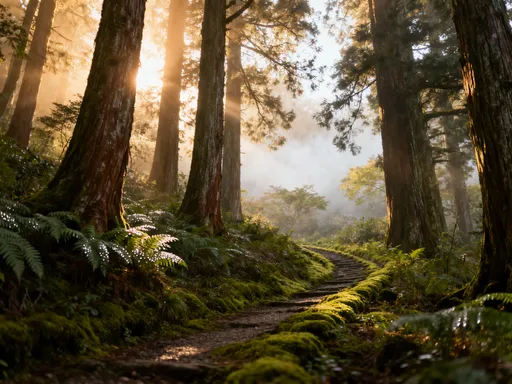
The Kusatsu River flows through the area, its clear waters flanked by towering cedars and maples. Trails like the Kusatsu Forest Path and the Takaya River Walk are designed for quiet exploration, with soft earthen paths, wooden bridges, and benches placed at scenic overlooks. These routes are not challenging—most are flat or gently sloping, suitable for all ages and fitness levels. The focus is not on distance, but on experience: the feel of moss underfoot, the sound of rustling leaves, the scent of damp earth and pine.
Scientific studies have shown that spending time in forests can lower cortisol levels, reduce blood pressure, and improve mood. In Kitahiroshima, these benefits are amplified by the area’s low light pollution and minimal noise. Early morning walks are especially powerful, when mist clings to the trees and birdsong fills the air. Some local guides offer guided forest bathing sessions, incorporating breathing exercises and mindfulness techniques to deepen the experience.
Access to Kitahiroshima is straightforward from Hiroshima City. A 40-minute train ride on the Kure Line brings you to Kabe Station, from where local buses or taxis can take you to trailheads. For those who prefer a guided experience, several eco-lodges and wellness centers offer day trips or overnight stays with forest therapy programs. Whether you walk alone or with a guide, the effect is the same: a quieting of the mind, a softening of the shoulders, a return to balance. In a world that demands constant output, Kitahiroshima offers a different kind of productivity—one measured in peace, not pace.
Seasonal Magic: When Nature in Hiroshima Shines
The beauty of Hiroshima’s natural landscapes shifts with the seasons, each offering a unique reason to visit. Spring arrives with cherry blossoms along the Motoyasu River, where petals drift like pink snow onto the water’s surface. Popular spots like Peace Park and Hijiyama Park are especially enchanting during this time, but for a quieter experience, head to the banks of the Tenma River or the trails near Shobara, where crowds are thinner and the air is sweet with blossoms.
Summer brings warmth and life to the countryside. While the city can be humid, the mountains and islands offer cooler temperatures. Rural areas like Yamagata Town and the hills around Kitahiroshima are known for firefly watching in June. On warm, still evenings, thousands of genji-botaru (Japanese fireflies) light up the riverbanks in a natural light show. Local communities often organize quiet viewing events, emphasizing respect for the environment and the need to avoid bright lights or loud noises.
Autumn transforms the region into a canvas of red, orange, and gold. The hills around Miyajima, the forests of Kitahiroshima, and the slopes of Mount Misen become prime spots for koyo (autumn foliage) viewing. Unlike the crowded temples of Kyoto, Hiroshima’s leaf-peeping locations remain relatively peaceful, allowing for contemplative walks and unhurried photos. The cooler air makes hiking more comfortable, and the light takes on a golden hue that enhances every view.
Winter, often overlooked, has its own quiet charm. While snow is rare in the city, the northern areas receive light dustings that transform the forests into serene, monochrome landscapes. On clear days, the view from Mount Misen includes distant snow-capped peaks, and the islands of the Inland Sea take on a crisp, clean beauty. Winter is also the season for oysters—Hiroshima is Japan’s top producer—and visiting a local oyster market or grill offers a warm, flavorful way to connect with the region’s coastal culture. Each season, in its own way, invites a different kind of engagement with nature—one that aligns travel not with spectacle, but with rhythm.
How to Explore Responsibly and Authentically
As interest in Hiroshima’s natural spaces grows, so does the responsibility to protect them. Overtourism can strain delicate ecosystems, especially on small islands and in forested areas. The key to sustainable travel lies in mindfulness—choosing low-impact activities, respecting local customs, and supporting community-based tourism. Simple actions, like staying on marked trails, carrying out trash, and avoiding loud behavior, go a long way in preserving these places for future visitors.
Public transportation is widely available and highly efficient. Regional trains and buses connect major natural sites, reducing the need for private cars. The JR Pass and local transit cards make travel convenient and affordable. When visiting islands, consider using rental bicycles instead of motorized scooters—they’re quieter, healthier, and allow for a closer connection to the landscape. Many guesthouses and eco-lodges now prioritize sustainability, using solar power, serving local food, and minimizing plastic waste.
Supporting local businesses is another form of respect. Whether buying handmade crafts, eating at family-run restaurants, or staying in a traditional minshuku, your choices help sustain the communities that care for these lands. Avoid large commercial tours that prioritize speed over depth; instead, opt for small-group experiences or self-guided exploration that allows time for observation and reflection.
Finally, remember that nature in Hiroshima is not just a backdrop—it is a living testament to resilience and renewal. The forests that now cover hills once scarred by conflict, the rivers that flow calmly through the city, the islands that thrive with quiet life—all speak to a deeper truth about healing and balance. By traveling with care, we honor not only the land, but the spirit of peace that defines this remarkable region. Let your journey be one of quiet discovery, where every step is taken with gratitude and every view received with stillness.