This Is Why Neuschwanstein’s Natural Surroundings Are a Must-See
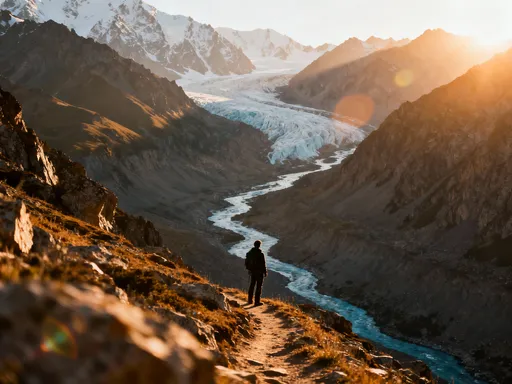
You know what? I went to Neuschwanstein Castle expecting fairy-tale towers and royal history—but what actually blew my mind was the wild, untouched nature all around it. Towering pine forests, misty meadows, and mountain views that feel straight out of a dream. This isn’t just a castle visit; it’s a full sensory escape into Bavaria’s breathtaking landscapes. If you're chasing beauty beyond the stone walls, you *gotta* check this out. The air is crisp, the silence profound, and every turn in the trail offers a new postcard-worthy vista. More than a historic monument, Neuschwanstein sits at the heart of a living, breathing natural sanctuary—one that transforms a simple day trip into a soul-refreshing journey.
First Impressions: More Than Just a Castle
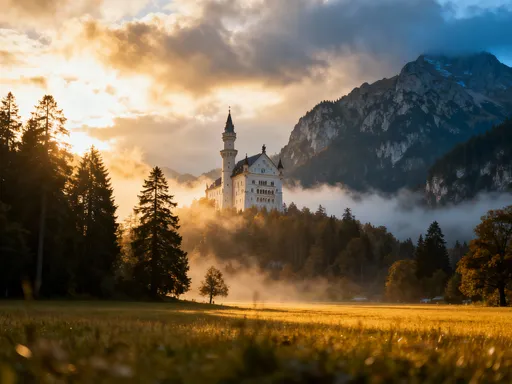
From the moment you step off the shuttle or begin the uphill walk from Hohenschwangau village, the landscape commands attention. Neuschwanstein Castle rises like a vision above the tree line, its spires piercing the sky, yet it’s the wild embrace of nature that sets the tone. The surrounding Alps cradle the region in rugged grandeur, their peaks often dusted with snow even in early summer. Below, dense evergreen forests blanket the slopes, broken only by sunlit meadows where wildflowers sway in the breeze. The contrast between the ornate, almost theatrical design of the castle and the raw, unspoiled wilderness around it is striking—and deeply moving.
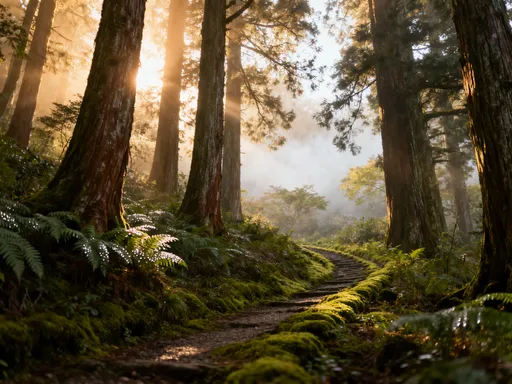
What surprises most visitors is how the natural setting dominates the experience long before they reach the ticket counter. The path to the castle winds through shaded woodlands, where sunlight filters through the canopy in golden beams. Birds call from unseen perches, and the scent of pine fills the air. This sensory prelude prepares travelers not just for a royal residence, but for immersion in an alpine dreamscape. The castle may be the destination, but the journey through nature is where the magic begins.
Photographers and casual sightseers alike find themselves pausing more for the views between the trees than for the castle itself. The valley unfolds in layers—rolling hills, distant ridges, and the shimmering ribbon of the Schwangau River far below. This is not a manicured garden or a curated park, but a genuine mountain ecosystem that has evolved over centuries. It’s this authenticity that makes the experience so powerful. The castle, for all its grandeur, feels like a guest in a much older, wilder world.
The Magic of Hohenschwangau Valley: Where Nature and History Meet
Before you even set foot on the path to Neuschwanstein, you’re walking through history and habitat in one. The Hohenschwangau Valley, named after the former royal family’s summer residence, is more than just a transit point—it’s a destination in its own right. Nestled between forested hills and open pastures, this valley offers a perfect blend of cultivated beauty and natural serenity. The meadows here are carefully maintained, not for tourism, but as part of a centuries-old tradition of alpine land use that supports both wildlife and local farming.
The Schwangau River meanders through the valley, its clear waters reflecting the sky and surrounding trees. In spring and early summer, the riverbanks burst with color—blue irises, yellow buttercups, and purple clover create a tapestry that changes with the light. Locals stroll along the riverside paths, children chase butterflies, and dogs trot happily beside their owners. It’s a place where nature feels accessible, inviting, and alive.
One of the most beloved vantage points is the Marienbrücke bridge, but the valley itself offers quieter, equally stunning views. From the meadow near Hohenschwangau Castle, you can see Neuschwanstein perched dramatically above, framed by trees and sky. At sunrise, the castle glows in soft pink light, while the valley remains wrapped in morning mist. This interplay of light and landscape creates a dreamlike atmosphere that feels almost surreal. It’s no wonder that artists and photographers have been drawn to this spot for generations.
What makes Hohenschwangau truly special is its balance. It’s not overrun, yet it’s easily accessible. Families picnic on grassy knolls, hikers pause for water, and couples walk hand in hand along tree-lined lanes. The presence of history—visible in the castles, the royal coat of arms on old signs, and the well-preserved buildings—adds depth without overwhelming the natural setting. Here, nature and heritage don’t compete; they harmonize.
Hiking Trails That Take Your Breath Away (Literally)
If you want to truly experience the soul of this region, lace up your hiking boots. The trails around Neuschwanstein are not mere footpaths—they are gateways to some of the most breathtaking scenery in the Bavarian Alps. One of the most popular routes begins at Marienbrücke, the suspension bridge offering the iconic view of Neuschwanstein, and descends toward Alpsee Lake. The path winds through mixed forest, with beech, fir, and spruce trees forming a cool canopy overhead. The descent is gentle at first, but the air grows crisper as you drop in elevation, carrying the scent of damp earth and moss.
Another rewarding trail leads from the castle back through the forest to Hohenschwangau, a route that takes about 45 minutes at a leisurely pace. Along the way, wooden signs point to hidden clearings and scenic overlooks. In summer, wildflowers like edelweiss and gentians bloom along the edges, and butterflies dance above the underbrush. The trail surface is well-maintained—gravel and compacted earth—but sturdy footwear is still recommended, especially after rain.
For those seeking a more challenging hike, the Pöllat Gorge trail offers a dramatic adventure. This narrow ravine features a rushing stream, moss-covered boulders, and a wooden footbridge that spans the chasm. The sound of water echoes off the rock walls, creating a meditative rhythm. The trail is moderately difficult, with some steep sections and uneven steps, but the payoff is immense: a sense of solitude and the raw power of nature in motion.
Hikers should plan for variable conditions. Even in summer, temperatures can drop quickly at higher elevations. A light jacket, water, and snacks are essential. Trail maps are available at the visitor center, and many routes are marked with color-coded signs. Most trails are suitable for families, though parents should keep a close eye on young children near steep drops or fast-moving water. The physical effort of walking enhances the emotional impact—every step deepens your connection to the landscape.
Alpsee and Schwansee: Twin Lakes with a Soul
No visit to Neuschwanstein is complete without a quiet moment by one of the twin lakes—Alpsee and Schwansee. These glacial-formed bodies of water are mirror-still on calm days, reflecting the sky and surrounding peaks with near-perfect clarity. Alpsee, the larger of the two, lies just below the castle’s eastern flank, accessible via a scenic forest path. Its deep blue waters are fed by mountain springs, staying cool even in midsummer. A walking trail circles the lake in about 45 minutes, offering changing perspectives with every turn.
Schwansee, smaller and more secluded, sits closer to Hohenschwangau village. Its name, meaning “Swan Lake,” is fitting—mute swans often glide across its surface, accompanied by ducks and the occasional heron. The lake is surrounded by reeds and tall grasses, creating a haven for birds and insects. Benches line the shore, inviting visitors to sit, breathe, and simply be. It’s the kind of place where time slows down, and the mind unwinds.
Both lakes offer opportunities for gentle recreation. Paddleboats are available for rent at Alpsee during the summer months, a favorite with families. Gliding across the water, you feel removed from the world—a tiny vessel in a vast, peaceful landscape. Picnic areas with wooden tables and grills are scattered around the shores, perfect for a homemade lunch with a view. Yet even without activities, the lakes have a quiet power. Their stillness encourages reflection, their beauty inspires awe.
What makes these lakes special is their untouched quality. Despite their popularity, they remain clean and well-preserved. Local conservation groups monitor water quality, and visitors are encouraged to follow eco-friendly practices. There are no motorized boats, no loud music, no commercial clutter—just nature in its purest form. To sit by Alpsee at dusk, watching the last light fade over the mountains, is to understand why this place feels sacred to so many.
Best Times to Visit for Pure Natural Beauty
Each season paints the Neuschwanstein region in a different palette, offering unique rewards for those who time their visit well. Spring, from late April to early June, brings a soft explosion of color. The meadows turn green, wildflowers bloom, and the trees unfurl their first leaves. The air is fresh, the crowds are thinner, and the castle emerges from winter like a jewel being polished. This is an ideal time for photography, as the soft light and vibrant greens create a lush, romantic atmosphere.
Summer, from June to August, is the most popular season. The days are long, the weather warm, and the trails fully accessible. While visitor numbers peak, early mornings offer a reprieve—arriving at 7 or 8 a.m. means you can enjoy the castle and trails with relative peace. Golden hour, just after sunrise or before sunset, bathes the landscape in warm, diffused light, perfect for capturing the castle’s fairy-tale glow. Summer is also the best time for lake activities and longer hikes.
Autumn, from September to November, may be the most magical. The forests transform into a mosaic of gold, amber, and crimson. The cooler air carries a crispness that invigorates the senses, and the reduced crowds make exploration more intimate. Fog often rolls through the valleys in the morning, wrapping the castle in mystery. This is a favorite season for serious hikers and photographers, who come for the dramatic contrasts and moody lighting.
Winter, from December to March, offers a completely different experience. Snow blankets the region, turning the castle into a real-life snow globe. The trails are still open, though some may require snow boots or traction devices. The silence is profound—fewer visitors, no motor noise, just the crunch of snow underfoot. Christmas markets in nearby Füssen add charm, but the real draw is the winter landscape: pristine, quiet, and deeply peaceful. For those who seek solitude and stillness, winter is unmatched.
Regardless of season, timing your visit for early morning or late afternoon maximizes both beauty and tranquility. Midday brings tour buses and large groups, but dawn and dusk belong to the quiet observers. Checking local weather and trail conditions via official tourism websites or apps ensures a safe and enjoyable experience. A little planning goes a long way in preserving the magic.
Hidden Nature Spots Most Tourists Miss
Most visitors follow the main paths—up to the castle, across Marienbrücke, down to Alpsee. But those willing to wander a little farther discover quieter, more intimate corners of the landscape. One such spot is the forest clearing just behind the castle’s northern edge. Few tourists venture here, yet it offers an unobstructed view of the valley below, framed by ancient pines. On a clear day, you can see all the way to the distant Allgäu Alps.
Another hidden gem is the trail that leads from Schwansee toward Pöllat Gorge. While many stop at the lake, continuing onward reveals a wilder side of the region. The path narrows, the trees grow denser, and the sound of the gorge’s waterfall grows louder. A wooden footbridge offers a thrilling view into the chasm, where water crashes over mossy rocks. This area feels untouched, almost secret—a reminder that nature still holds mysteries, even in well-trodden destinations.
Early risers might consider the path that starts near the Hohenschwangau parking area and climbs gently into the hills. At sunrise, this route is often empty, offering solitude and panoramic views as the sun rises over the valley. Birdwatchers may spot woodpeckers, jays, and even deer in the early hours. These moments—when you’re alone with the forest, the light, and the silence—are what make the trip unforgettable.
The lesson is simple: beauty multiplies when you step off the beaten path. It doesn’t require a difficult hike or special gear—just curiosity and a willingness to explore. The most profound connections with nature happen not in crowded overlooks, but in quiet clearings, beside unnamed streams, and on trails where your footsteps are the only ones in the dew.
How to Respect and Preserve the Landscape
The enduring beauty of Neuschwanstein’s surroundings depends on the care of every visitor. This is not just a scenic backdrop—it’s a living ecosystem that supports plants, animals, and local communities. Staying on marked trails prevents soil erosion and protects fragile alpine vegetation. Trampling off-path can damage root systems and disturb nesting birds, especially in spring.
Packing out all trash is non-negotiable. Even biodegradable items like apple cores or banana peels can disrupt local wildlife diets and attract animals to human areas. Carrying a small bag for waste ensures you leave no trace. Similarly, feeding animals—even birds—can lead to dependency and health problems. The best way to enjoy wildlife is from a distance, with quiet observation and a camera.
Keeping noise levels low preserves the peace for others and minimizes stress on animals. Loud conversations, music, or shouting can scare birds and mammals from their natural behaviors. This is especially important in early morning and evening, when wildlife is most active. Respecting quiet hours allows everyone to experience the tranquility that makes this place so special.
Local conservation groups, supported by the Bavarian State Ministry for the Environment, work year-round to maintain trails, monitor water quality, and educate visitors. Their efforts ensure that future generations can enjoy the same awe-inspiring views. Travelers can support these initiatives by following guidelines, donating to preservation funds, or simply spreading awareness. Mindful tourism isn’t about restriction—it’s about deepening your connection to the place by honoring its needs.
When you visit Neuschwanstein, you’re not just a spectator. You’re a guest in a fragile, beautiful world. Every choice you make—where you walk, what you leave behind, how you behave—shapes the experience for others and the health of the landscape. By traveling with care, you become part of the story of preservation.
Neuschwanstein Castle isn’t just a monument to fairy tales—it’s a gateway to one of Germany’s most soul-stirring natural landscapes. The real magic isn’t only in its turrets and thrones, but in the forests, lakes, and mountain air that cradle it. When you check in, don’t just see the castle—*feel* the wild beauty around it. That’s where the true story unfolds. Every rustle of the wind, every ripple on the lake, every ray of light through the trees is an invitation to slow down, breathe deeply, and remember what it means to be present. This is more than a destination. It’s a return to wonder.