You Won’t Believe These Hidden Natural Wonders Near Bishkek
If you think Bishkek is just a quiet city in Central Asia, think again. Just beyond its dusty streets lie jaw-dropping natural escapes—crystal-clear alpine lakes, wildflower-carpeted valleys, and rugged mountain trails that take your breath away. I was blown away by how untouched and powerful these landscapes feel. This isn’t just travel—it’s raw nature at its finest, waiting just outside the city.
Why Nature Lovers Are Flocking to Bishkek’s Backyard
Bishkek, the capital of Kyrgyzstan, is often overlooked as a mere transit point for travelers crossing Central Asia. Yet it serves as a quiet gateway to some of the most pristine and dramatic landscapes in the region. Nestled between the Kyrgyz Ala-Too mountain range and the fertile Chuy Valley, the city offers immediate access to high-altitude lakes, untouched alpine meadows, and remote gorges—all within a short drive. In recent years, there has been a significant rise in ecotourism across Kyrgyzstan, with visitor numbers increasing steadily as more people seek authentic, nature-based experiences away from crowded tourist hubs. According to the World Bank, tourism in Kyrgyzstan has grown by over 15% annually in the past five years, driven largely by interest in sustainable travel and outdoor adventure.
What makes Bishkek so unique is not just its location, but how seamlessly it connects urban life with wild nature. Within 45 minutes, one can leave behind apartment blocks and bazaars and step into a world of silence, where only the wind and distant streams break the stillness. This proximity allows both locals and visitors to engage in weekend hikes, family picnics by mountain lakes, or quiet retreats in family-run guesthouses. Unlike more developed destinations, these areas remain largely uncommercialized. There are no cable cars, few marked trails, and no entry fees at most sites—just open space and raw beauty. The terrain here is shaped by tectonic forces, glaciers, and centuries of seasonal change, resulting in dramatic contrasts between arid foothills and snow-capped peaks.
For those who value authenticity and solitude, this region offers something increasingly rare: landscapes that feel untouched. The appeal lies not in luxury or convenience, but in immersion. Travelers come not to check off landmarks, but to feel the crunch of gravel underfoot, smell the sun-warmed juniper bushes, and watch marmots dart between boulders. As global tourism trends shift toward meaningful, low-impact experiences, Bishkek’s backyard has emerged as a quiet leader in accessible wilderness travel. It’s not about escaping civilization entirely—it’s about remembering that nature is not a distant destination, but a near neighbor, waiting just beyond the city’s edge.
Lake Issyk-Kul: The Crown Jewel Within Reach
One of the most remarkable natural wonders accessible from Bishkek is Lake Issyk-Kul, a vast alpine lake nestled in the eastern part of Kyrgyzstan. Though located about four hours by car from the capital, it remains one of the most iconic and accessible natural attractions in the country. Spanning over 6,200 square kilometers, Issyk-Kul is the tenth largest lake in the world by volume and the second largest saline lake after the Caspian Sea. Despite its high elevation—more than 1,600 meters above sea level—the lake never freezes, a phenomenon that has fascinated travelers for centuries. Its name, which means “warm lake” in Kyrgyz, reflects this unusual characteristic, made possible by its depth and mineral-rich waters.
The visual impact of Issyk-Kul is immediate. On a clear day, the water shimmers in shades of turquoise and deep blue, framed by the snow-covered peaks of the Tian Shan mountains. The lake is surrounded by a patchwork of small villages, walnut groves, and sunflower fields, where local families welcome visitors into homestays with simple comforts and generous hospitality. Many of these guesthouses offer panoramic views of the lake, allowing guests to wake up to the soft light reflecting off the water. Along the northern shore, towns like Cholpon-Ata and Karakol provide access to both cultural sites and outdoor activities, from swimming in the mineral-laden waters to hiking into the surrounding foothills.
Visitors are drawn not only to the scenery but also to the therapeutic qualities of the lake environment. The air is dry and clean, often recommended for those with respiratory conditions. The sand along certain beaches contains small amounts of radon, believed by some to have healing properties, though scientific validation remains limited. Regardless, the sense of well-being many people report is undeniable. Families often spend days swimming, sunbathing, or simply relaxing on the pebbled shores. For the more adventurous, kayaking and stand-up paddleboarding offer peaceful ways to explore the calmer bays. In the evenings, the silence is profound, broken only by the lapping of waves and the occasional call of a distant bird.
What sets Issyk-Kul apart is not just its size or beauty, but its role as a living landscape. It supports a network of small farms, fisheries, and eco-initiatives that rely on sustainable practices. Local guides organize horseback rides through high meadows, overnight stays in traditional yurts, and visits to ancient petroglyph sites. While tourism has grown, efforts are being made to balance access with preservation. Visitors are encouraged to respect local customs, avoid littering, and support community-run accommodations. In this way, a trip to Issyk-Kul becomes more than a scenic escape—it becomes a quiet act of connection, between people, culture, and the enduring power of nature.
Ala-Archa National Park: Where Adventure Meets Scenery
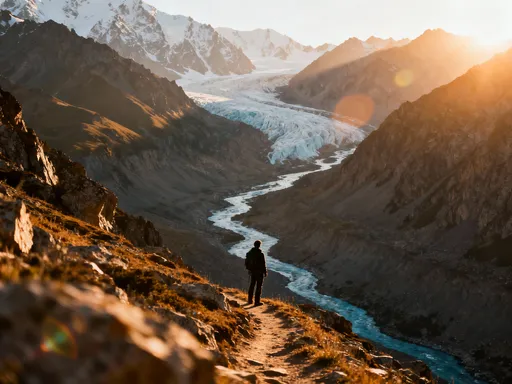
For those seeking a closer natural escape, Ala-Archa National Park stands as the most accessible and beloved wilderness area near Bishkek. Located just 40 kilometers south of the city, the park is a favorite among locals and travelers alike for its dramatic mountain scenery and well-maintained hiking trails. Established in 1976, the park covers over 200 square kilometers and protects a diverse ecosystem ranging from river valleys to glaciers over 4,000 meters high. Its centerpiece is the Ala-Archa River, a glacial stream that winds through a deep gorge, flanked by towering red-rock cliffs and alpine meadows bursting with color during the summer months.
The park offers a range of trails suitable for all experience levels. The most popular route leads to the Tuyuk-Bazary Pass, a moderate hike that takes about four to five hours round trip. Along the way, hikers pass through juniper forests, cross wooden footbridges over rushing streams, and climb steadily through rocky terrain with breathtaking views of the surrounding peaks. More experienced trekkers may choose to continue toward the Lenin Peak Base Camp trail, though this requires proper gear and preparation. For families or casual walkers, shorter paths near the entrance offer gentle strolls with picnic areas and rest stops. The contrast between the cool shade of the forest and the open, sunlit meadows creates a dynamic experience that changes with every turn.
One of the most striking features of Ala-Archa is its geological diversity. The red and gray stone formations are the result of millions of years of tectonic activity, erosion, and glacial movement. During spring and early summer, snowmelt feeds dozens of small waterfalls that cascade down the slopes, adding to the sensory richness of the landscape. Birdwatchers may spot Himalayan snowcocks or golden eagles soaring above the cliffs, while marmots and ibex are occasionally seen in the higher elevations. The air is crisp and carries the faint scent of pine and wild thyme, enhancing the feeling of immersion in a wild, untamed space.
Accessibility is one of the park’s greatest strengths. Regular marshrutkas (shared minibuses) run from Bishkek’s Dordoy Bazaar to the park entrance, making it easy for independent travelers to visit without a car. Entry fees are minimal, and basic facilities—including restrooms and a small visitor center—are available. Rangers patrol the area during peak seasons to assist hikers and ensure safety. Despite its popularity, the park rarely feels overcrowded, especially on weekdays or early in the morning. This balance of convenience and solitude makes Ala-Archa a model for sustainable recreation—where adventure and preservation go hand in hand.
The Secret Beauty of Fairy Tale Canyon (Kegeti Gorge)
Hidden in the hills just southwest of Bishkek, Fairy Tale Canyon—also known as Kegeti Gorge—has become one of Kyrgyzstan’s most photogenic natural secrets. Carved by centuries of wind and water, the canyon features surreal rock formations in vibrant shades of red, orange, and yellow. Layers of sedimentary rock have been sculpted into arches, spires, and overhangs, creating a landscape that feels almost otherworldly. At sunrise and sunset, the walls glow with an intense warmth, casting long shadows and highlighting the delicate textures of the stone. Narrow pathways wind through tight passages, inviting exploration and quiet reflection.
Though relatively unknown just a few years ago, Fairy Tale Canyon has gained international attention through social media, with travelers sharing images of its dreamlike formations. Unlike more developed attractions, it remains largely unaltered by tourism infrastructure. There are no guardrails, no entrance gates, and no admission fees—just a dirt road leading from the village of Kegeti to the trailhead. This simplicity adds to its charm, but also requires visitors to exercise responsibility. The soft rock is fragile, and erosion accelerates with heavy foot traffic. Staying on marked paths and avoiding climbing on formations helps preserve this delicate environment for future generations.
Visiting early in the morning is highly recommended, both for the best light and to avoid crowds. Temperatures can rise quickly, especially in summer, so bringing water, sunscreen, and a hat is essential. Sturdy footwear with good grip is advised, as some sections of the trail are uneven or slippery. While the hike is not technically difficult, it covers about 4 to 6 kilometers round trip and involves moderate elevation changes. Along the way, hikers are rewarded with panoramic views of the surrounding valley and the chance to pause in quiet alcoves carved by nature. Some visitors bring sketchbooks or cameras, while others simply sit and listen to the wind whispering through the rocks.
Local communities are beginning to recognize the potential of the canyon as a sustainable tourism site. A few families in Kegeti now offer homemade snacks, cold drinks, or guided walks for small groups. These initiatives provide income while encouraging respectful engagement with the land. As interest grows, there is hope that conservation efforts will keep pace, ensuring that Fairy Tale Canyon remains a place of wonder rather than wear and tear. For now, it stands as a testament to nature’s artistry—quiet, humble, and breathtakingly beautiful.
Sulaiman-Too Mountain: A Spiritual and Natural Escape
While not located near Bishkek, Sulaiman-Too Mountain in the southern city of Osh is a natural and cultural landmark worthy of mention for any traveler exploring Kyrgyzstan’s deeper landscapes. Rising abruptly from the Fergana Valley, this five-peaked mountain is a UNESCO World Heritage Site, recognized for its spiritual significance and ancient rock art. For over 1,500 years, Sulaiman-Too has been a place of pilgrimage, meditation, and ritual, revered by Muslims, Buddhists, and local animist traditions alike. The climb to the summit is more than a physical journey—it is a passage through layers of history, belief, and natural beauty.
The trail winds through caves and crevices adorned with petroglyphs dating back to the first millennium BCE. These carvings depict animals, human figures, and symbolic patterns, offering a glimpse into the lives and beliefs of early inhabitants. At several points along the route, small shrines and prayer flags mark sacred spaces where visitors leave offerings or tie cloth ribbons as symbols of wishes or gratitude. The atmosphere is one of quiet reverence, even as tourists pass through. The panoramic view from the top stretches across the bustling city of Osh, the green fields of the valley, and the distant mountains—a powerful reminder of the connection between people and place.
Visitors are expected to dress modestly and behave respectfully, as this is an active site of spiritual practice. Women may be asked to cover their heads, and loud behavior is discouraged. Rangers and volunteers are present to guide tourists and protect the fragile rock surfaces. Unlike commercial attractions, there are no souvenir stands or food vendors at the summit, preserving the mountain’s solemn character. The experience is intentionally simple, focusing on presence rather than entertainment.
Though a flight or long bus ride from Bishkek, a visit to Sulaiman-Too can be a meaningful addition to a broader journey through Kyrgyzstan. It represents the harmony between natural wonder and human heritage—a place where geology and spirituality converge. For those seeking depth beyond scenic views, it offers a rare opportunity to engage with a landscape that has been honored for centuries. In a world where many sacred sites have been lost or commercialized, Sulaiman-Too stands as a quiet beacon of continuity and respect.
How to Get There: Transport, Timing, and Local Tips
Reaching these natural wonders from Bishkek is easier than many expect, thanks to a network of reliable and affordable transportation options. For Ala-Archa National Park and Fairy Tale Canyon, shared marshrutkas depart regularly from Dordoy Bazaar, the city’s main transit hub. These minibuses cost only a few dollars and run from early morning until late afternoon. For Lake Issyk-Kul, travelers can choose between marshrutkas from the central bus station or overnight trains from Bishkek to Karakol, offering a scenic route along the lake’s northern shore. Private car hires are also available through local guesthouses or online platforms, providing flexibility for families or groups.
The best time to visit is between June and September, when temperatures are mild, wildflowers are in bloom, and mountain passes are free of snow. July and August are the warmest months, ideal for swimming in Issyk-Kul or hiking in Ala-Archa, though they also bring more visitors. June and early September offer fewer crowds and comfortable daytime temperatures, often ranging from 20°C to 25°C in the valleys, though nights can be cool at higher elevations. Winter travel is possible but limited, with many roads becoming impassable due to snow and ice.
Packing appropriately is key to a safe and enjoyable experience. Essentials include sturdy hiking shoes with good traction, layered clothing to adapt to changing conditions, a reusable water bottle, and sun protection—hats, sunglasses, and high-SPF sunscreen are crucial due to the high UV index at altitude. Insect repellent may be useful in lower areas during summer. For multi-day trips, a basic first-aid kit and a power bank for devices are recommended. Many remote areas have limited or no cell service, so downloading offline maps or carrying a paper guide is wise.
Accommodation options range from family-run guesthouses to eco-lodges and traditional yurts. Staying in community-based lodgings not only supports local economies but also provides authentic cultural experiences. Meals are often home-cooked, featuring fresh dairy, bread, vegetables, and meat dishes like beshbarmak. Booking in advance is advisable during peak season, especially near Issyk-Kul or popular trailheads. By choosing responsible lodging and transport, travelers contribute to sustainable tourism while enjoying deeper connections with the places they visit.
Respecting Nature While Exploring It
As more people discover the natural wonders near Bishkek, the responsibility to protect these fragile environments grows stronger. Many of these areas are not officially managed parks with extensive staff or infrastructure, meaning that preservation depends largely on visitor behavior. One of the most important principles is “leave no trace.” This means packing out all trash, including food wrappers, plastic bottles, and organic waste like fruit peels, which decompose slowly at high altitudes and can attract animals to human areas.
Staying on designated trails helps prevent soil erosion and protects delicate alpine plants. In places like Fairy Tale Canyon and Ala-Archa, the ground is easily damaged by off-trail walking, and recovery can take decades. Campfires should be avoided entirely, as dry wood is scarce and fire risks are high. Instead, portable stoves are a safer and more sustainable option for cooking. Feeding wildlife, even with good intentions, disrupts natural behaviors and can lead to dependency or aggression.
Supporting community-based tourism initiatives is another powerful way to make a positive impact. Many villages near hiking trails and lakes now offer guided walks, homestays, and handcrafted goods, providing income that incentivizes conservation. When travelers choose these services, they help ensure that local families benefit directly from tourism, reducing the pressure to exploit natural resources for short-term gain. Additionally, learning a few basic phrases in Kyrgyz or Russian—such as “thank you” (rahat, rahmat) or “excuse me” (ketchirilgingizdi)—goes a long way in building mutual respect.
Ultimately, the beauty of these landscapes lies in their authenticity and vulnerability. They are not theme parks or curated experiences, but living ecosystems shaped by time and tradition. By traveling with care, humility, and awareness, visitors become stewards of these places, ensuring they remain wild and wondrous for generations to come. The mountains, lakes, and canyons near Bishkek do not belong to us—they allow us to pass through. And in that passing, if we listen closely, we may find not just adventure, but a deeper sense of belonging to the natural world.