What I Found in Saint-Louis: A Journey Through Senegal’s Soul
Saint-Louis, Senegal, isn’t just a destination—it’s a living canvas of rhythm, color, and history. I went looking for art and culture, but what I found was deeper: a city breathing through its music, painted on colonial facades, and dancing in the waves of the Senegal River. This isn’t your typical tourist trail. It’s raw, real, and resonant. If you’ve ever wanted to feel a place rather than just see it, this is where to start. There’s a quiet magic in the way life unfolds here—no rush, no pretense, just authenticity in motion. The air carries salt from the Atlantic, the scent of grilled fish, and the distant hum of a saxophone drifting through an open window. This is a city that doesn’t perform for visitors; it simply lives, and in doing so, invites you in.
First Impressions: Stepping Into a Colonial Dream
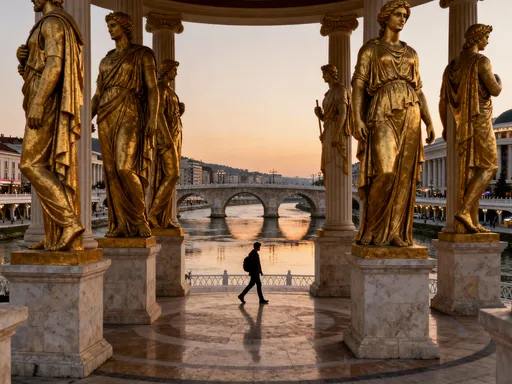
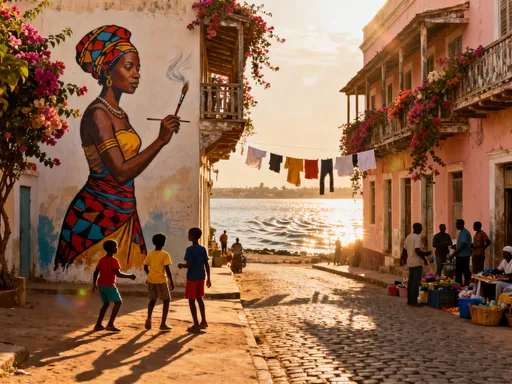
The moment I arrived in Saint-Louis, the city felt like a film set—pastel French colonial buildings lined narrow streets, faded by salt and sun into soft pinks, pale yellows, and sea-worn blues. The island layout, divided by the Senegal River and the narrow strip of the Langue de Barbarie, created an instant sense of separation from the modern world. Stepping off the bridge from the mainland, I felt as though I had entered a different time, one where life moves at the pace of the tide and history isn’t confined to museums but lives in the walls, the walkways, and the daily rhythms of its people. I wandered without a map, letting the breeze guide me past iron balconies draped in bougainvillea, their vibrant magenta blooms tumbling over wrought-iron railings like bursts of joy.
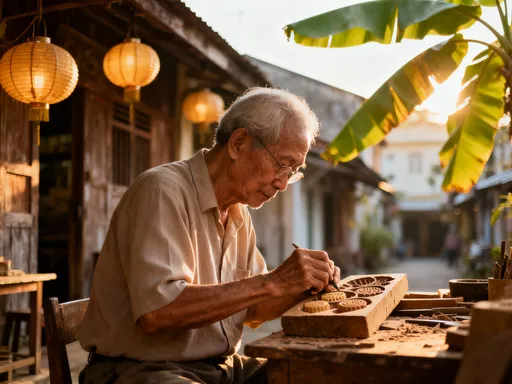
What struck me most wasn’t just the preserved architecture, but how deeply intertwined it was with everyday life. This wasn’t a historic district staged for tourists. Artisans sanded wooden fishing boats in the open air, their hands moving with practiced ease. Elders played dominoes under faded awnings, their laughter rising above the clack of tiles. Children chased each other through alleyways, their bare feet slapping against the sun-warmed stone. Women in brightly patterned boubous carried baskets on their heads, moving with a grace that seemed effortless. Every corner revealed a new layer of lived-in beauty—windows propped open with bricks, laundry strung between buildings, the scent of frying plantains wafting from open doorways. The city felt alive, not preserved, and that distinction made all the difference.
Saint-Louis, founded in 1659, is one of the oldest European settlements in West Africa and served as the capital of French West Africa until 1902. Its historical significance is palpable, yet it’s not worn as a badge of colonial pride, but rather as a complex inheritance—respected, reinterpreted, and reclaimed. The architecture tells one story; the people tell another. Walking through the Faidherbe neighborhood, named after the 19th-century French governor, I saw how locals had transformed colonial spaces into homes, studios, and small shops. A former administrative building now housed a textile cooperative where women wove indigo-dyed cloth using centuries-old techniques. The past was not erased, but woven into the present.
The Heartbeat of the City: Music as Daily Life
In Saint-Louis, music isn’t performed—it spills. It leaks from open windows, rises from courtyards, and echoes down alleyways like a second language. Jazz, mbalax, and traditional Wolof rhythms fill the air with a kind of sonic heartbeat that pulses through the city. I remember turning a corner one afternoon and stumbling upon a rehearsal at a modest cultural center where a group of young musicians played brass instruments with fiery precision. Their trumpets and trombones blared with energy, their rhythms tight and full of joy. An older man in a worn hat stood at the edge, nodding along—a former member, perhaps, passing the torch. I learned that Saint-Louis is the birthplace of Senegalese jazz, its legacy rooted in the military bands of the colonial era, which evolved into something entirely local, vibrant, and free.
The annual Saint-Louis Jazz Festival, held each May, draws musicians and visitors from across Africa and beyond, transforming the entire island into an open-air stage. But even in the quiet months, the city hums with musical life. I sat by the river one evening as an old man played a kora under a lamppost. The 21-stringed harp-lute shimmered in his hands, its melodies soft and introspective, like ripples on water. He didn’t play for tips or applause—just for himself, for the night, for the river. A few passersby paused, closed their eyes, and listened. No one rushed him. No one interrupted. Music here isn’t entertainment; it’s a form of being.
What makes Saint-Louis unique is how music is embedded in daily life, not separated from it. Children grow up hearing brass bands during neighborhood celebrations, weddings, and religious festivals. Local schools offer music programs, and informal mentorship thrives—older musicians taking younger ones under their wing. I spoke with a music teacher who said, “Here, we don’t teach music as a subject. We teach it as a way to speak.” That idea stayed with me. In a world where so much culture feels packaged and performative, Saint-Louis offers something rare: art that arises naturally from community, not commerce.
Art That Speaks: Galleries and Street Murals
Saint-Louis pulses with visual art, both curated and spontaneous. I visited small galleries tucked into converted colonial homes, where local painters blended ancestral themes with modern expression. One artist used layers of fabric and paint to depict Wolof creation myths, her canvases rich with symbolism and texture. Another portrayed fishermen at dawn, their silhouettes stark against a golden sky, the boats rendered in bold strokes of blue and white. These spaces weren’t grand museums, but intimate, personal—often run by the artists themselves, who welcomed visitors with tea and stories.
But the real thrill was discovering the street murals—massive, vibrant works painted on crumbling walls, telling stories of resistance, heritage, and hope. One mural depicted a woman in traditional dress holding a paintbrush like a torch, her eyes fierce, her stance proud. Another showed a map of Africa with Saint-Louis at its heart, surrounded by musical notes and waves. These weren’t just decorations; they were declarations. Artists here use color and form to reclaim narratives, to remind residents and visitors alike of who they are and where they come from.
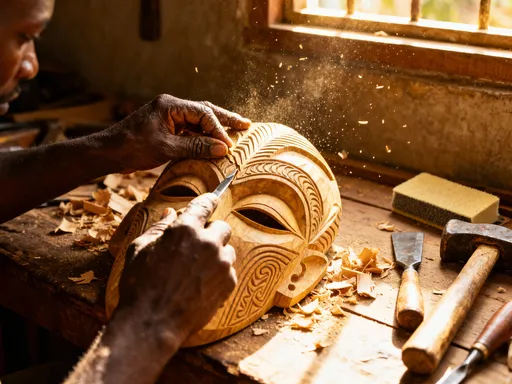
I met a young muralist named Amadou, who had studied in Dakar but returned to Saint-Louis to paint. “We paint so our history isn’t erased,” he told me, wiping paint from his hands. “Too many places forget. We won’t.” His words echoed everywhere—in the way elders pointed out historical landmarks to children, in the way festivals honored ancestral traditions, in the way art was not separated from life but lived through it. The city’s creative spirit isn’t confined to galleries or festivals; it’s in the way a doorway is painted, a market stall decorated, a drum carved by hand.
The River and the Island: A Cultural Lifeline
The Senegal River isn’t just geography—it’s the city’s soul. It divides Saint-Louis, but it also connects it—to trade, to tradition, to identity. Fishermen in colorful pirogues still launch at dawn, their hand-carved boats painted in bright blues, reds, and greens. I took a quiet boat ride early one morning and watched the city wake up—steam rising from breakfast stands, the call to prayer blending with the cries of seabirds, the sun painting the water in streaks of gold. The river is alive with movement: boats ferrying people and goods, women washing clothes on the banks, children diving from wooden docks.
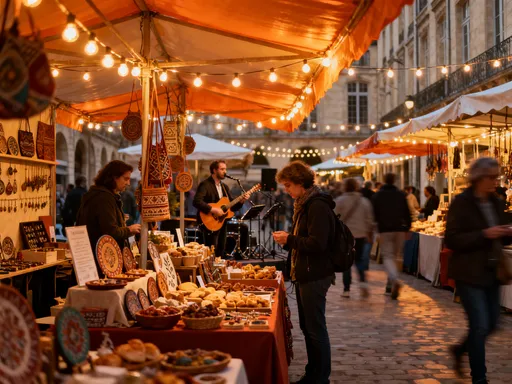
N’Dar Island, the historic heart of Saint-Louis, feels like a living story. Every block reveals another chapter—markets buzzing with women selling indigo-dyed fabrics, hand-carved masks, and baskets woven from reeds. I stopped at a stall where an older woman demonstrated how she used natural dyes from leaves and bark to color cloth. Her hands moved with precision, her voice calm and proud. “This is how my mother taught me,” she said. “And her mother before her.” These traditions aren’t relics; they’re practiced, passed down, and valued.
The river also shapes the city’s cuisine. Fresh fish—barracuda, tilapia, bonga—is brought in daily and sold at the market, where vendors call out prices in Wolof and French. I watched a group of women prepare thieboudienne, the national dish, using a large communal pot. They layered fish, vegetables, and rice, letting it simmer for hours. The process was slow, deliberate, and deeply social. Cooking here isn’t just about feeding people; it’s about gathering, sharing, and preserving. The river feeds the city in more ways than one.
Festivals That Define a City
Saint-Louis doesn’t celebrate culture—it lives it through festivals. The most famous is the Saint-Louis Jazz Festival, a four-day event that draws thousands and transforms the island into a continuous concert. But beyond jazz, the city honors its roots through traditional celebrations like Feta N’Guer, a Wolof festival centered around drumming, dance, and ceremonial processions. Though I didn’t visit during the festival, I saw evidence of it everywhere—rehearsals in backyards, costumes being stitched by hand, elders teaching children the rhythms on homemade drums.
These events aren’t staged for outsiders; they’re community anchors. Participation is expected, not optional. Families gather, neighborhoods prepare, and the entire city slows down to make space for tradition. I spoke with a woman who helped organize the Feta N’Guer. “It’s not just dancing,” she said. “It’s remembering who we are. It’s teaching our children the stories, the songs, the values.” Even off-season, the spirit of festivity lingers. Music fills the air, preparations continue, and anticipation builds. This is a city that knows how to honor its roots while moving forward, not by replacing the old with the new, but by letting them coexist.
Festivals in Saint-Louis are not tourist attractions; they’re acts of cultural preservation. They reinforce identity, strengthen community bonds, and pass knowledge across generations. In a world where globalization often flattens local cultures, Saint-Louis stands as a reminder that tradition can thrive when it’s lived, not performed. The city doesn’t need to exaggerate its heritage to attract attention—it simply shares it, openly and proudly.
Culinary Culture: Flavors That Tell Stories
Food in Saint-Louis is art on a plate. I tried thieboudienne—Senegal’s national dish—cooked by a woman named Aminata who said her recipe came from her grandmother. Each ingredient felt intentional: fish simmered in a rich tomato sauce with onions, garlic, and chili, rice absorbing every drop of flavor, and vegetables like carrots and cabbage adding color and texture. She served it on a large platter, inviting me to eat with my hands, as is tradition. “Food is meant to be shared,” she said, smiling. “Not rushed, not eaten alone.”
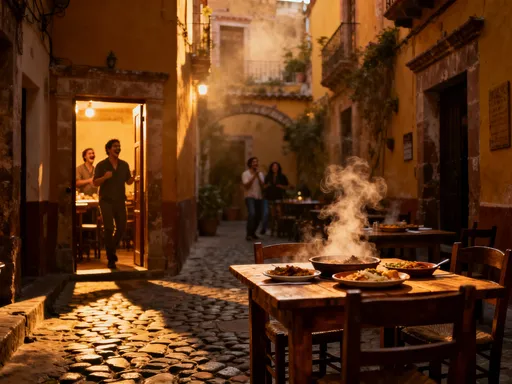
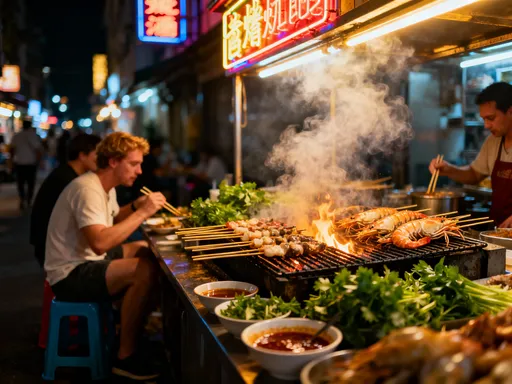
Meals here are slow, meaningful, and deeply social. I ate at a riverside stall where laughter mixed with the clink of spoons and the sizzle of fish on the grill. Young men flipped bread on hot plates, while women stirred large pots of soup. The atmosphere was warm, unhurried. I shared a table with a local family, and though we didn’t speak the same language, we communicated through gestures, smiles, and the universal language of good food. Eating wasn’t just sustenance; it was connection.
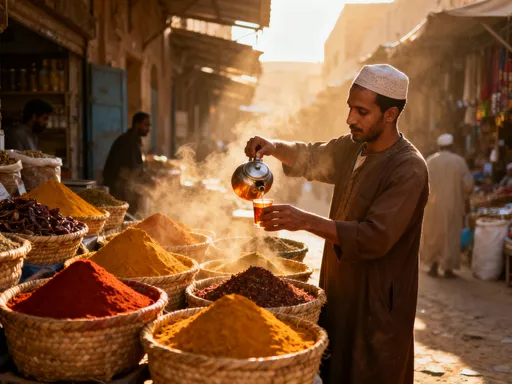
Street vendors sold bissap juice, tart and deep red, made from hibiscus flowers and served over ice. Others offered fried beignets dusted with sugar or fresh mangoes cut into perfect cubes. Every bite told a story—of land, of season, of family. The way people cook, serve, and gather—it’s all part of the cultural fabric. Even the simplest meal feels like an invitation to belong.
Why Saint-Louis Matters: Preserving Authenticity in a Tourist World
In an age where destinations get sanitized for visitors, Saint-Louis stands apart. It doesn’t perform authenticity—it is authentic. There are no souvenir chains, no overpriced gimmicks, no staged cultural shows. What you see is what it is: a city proud of its past, shaping its future through art, music, and community. Visiting here changed how I think about travel. It’s not about ticking boxes or collecting photos; it’s about listening, feeling, engaging. It’s about allowing a place to touch you, to change you.
Saint-Louis offers a model of cultural resilience. It hasn’t resisted modernity, but it hasn’t surrendered to it either. The city embraces change on its own terms—through education, through art, through intergenerational dialogue. Young people study abroad and return with new ideas, but they do so with deep respect for tradition. Artists innovate while honoring ancestral techniques. The city grows, but it does not lose itself.
As I left Saint-Louis, crossing the bridge back to the mainland, I realized I hadn’t just explored a place—I’d connected with a soul. The city doesn’t just stay with you. It echoes—in the rhythm of a drum, the scent of bissap, the image of a mural glowing in the afternoon light. It reminds us that travel, at its best, isn’t about escape. It’s about encounter. It’s about finding pieces of humanity that resonate across borders, across languages, across time. Saint-Louis doesn’t shout. It sings. And if you’re willing to listen, it will sing to you too.