You Won’t Believe These Secret Viewpoints in Quito
High in the Andes, Quito wraps itself around misty peaks and colonial charm. I never expected such raw beauty from a city so rooted in history. From panoramic ridges to quiet miradores few tourists find, the views here don’t just impress—they move you. Whether you're chasing golden sunrises or skyline glows after dark, Quito’s elevated perspectives reveal the soul of Ecuador like nowhere else. Nestled at nearly 2,850 meters above sea level, this UNESCO World Heritage city balances ancient architecture with dramatic natural theater. Each viewpoint tells a story—not only of landscape and light, but of culture, resilience, and quiet moments suspended between earth and sky. For travelers seeking depth beyond postcard snapshots, Quito’s vantage points offer transformation.
Why Quito’s Elevation Makes It a View-Seeker’s Paradise
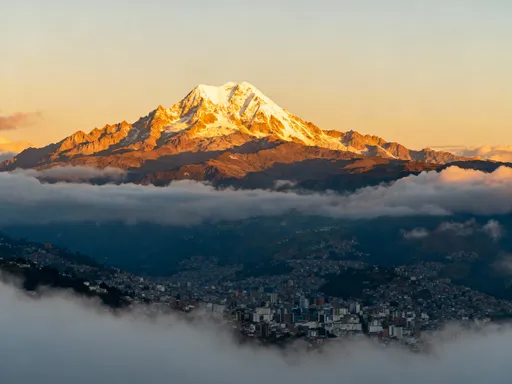
Quito’s geographic identity is defined by height. Sitting in a long, narrow valley flanked by volcanic peaks, the city rests at an elevation where the air thins and the horizon sharpens. At 2,850 meters—over 9,300 feet—above sea level, every glance upward or outward carries weight. This altitude is not merely a statistic; it shapes the rhythm of life and the clarity of vision. Mornings often begin under a veil of mist, with cloud layers drifting slowly through the Andean folds like breath across glass. As the sun climbs, the fog lifts, revealing tiered rooftops, church spires, and distant mountain silhouettes in stages, as if the city is being unveiled piece by piece.
The interplay between elevation and weather creates a dynamic viewing experience unlike any other capital in the world. Because Quito lies close to the equator, daylight hours remain consistent year-round, offering predictable sunrise and sunset times. Yet the high-altitude atmosphere filters sunlight in unique ways—mornings glow with cool, silver clarity, while late afternoons bathe the city in warm, golden tones. On clear days, visibility can stretch for dozens of kilometers, allowing observers to see not just across the urban sprawl, but deep into the surrounding páramo ecosystems and protected highland reserves. This contrast between dense urban fabric and untouched natural grandeur is what makes Quito’s viewpoints so emotionally resonant.
Moreover, the city's alignment along the valley means that views shift dramatically depending on your position—north, south, east, or west. From the southern ridges, one looks northward over modern high-rises and tree-lined avenues. From the western slopes, the gaze turns east, capturing the historic center nestled beneath the watchful presence of Pichincha Volcano. These varied perspectives ensure that no two miradores offer the same experience. For visitors, this variety invites exploration not just of space, but of time—how light changes the city, how weather alters mood, and how stillness at elevation fosters introspection. In Quito, elevation isn’t just physical—it’s emotional, spiritual, and deeply aesthetic.
The Must-Visit Classic: Panecillo Hill and the Virgin’s Gaze
Rising like a loaf of bread from the southern edge of Quito’s historic center—hence its name, “El Panecillo”—this iconic hill is crowned by one of the city’s most recognizable symbols: a 45-meter-tall aluminum statue of the Winged Virgin of Quito. From its base to summit, the site offers one of the most complete 360-degree panoramas in the capital. Visitors ascending the paved pathway are rewarded not only with sweeping vistas but with a profound sense of orientation—suddenly, the labyrinthine streets of the old town make sense when seen from above, laid out like a living map.
Looking south, the view extends into the modern districts of Quito, where glass towers rise amid green hills. To the west, the massive bulk of Pichincha Volcano dominates the skyline, its twin peaks often dusted with cloud or, on rare clear days, faint traces of snow. Eastward, the colonial heart of the city unfolds in terracotta rooftops, baroque church domes, and narrow cobblestone streets that twist like veins through centuries-old neighborhoods. At night, the city transforms into a constellation of lights, with Panecillo serving as a perfect vantage point for capturing the urban glow without the noise and bustle below.
Accessibility makes Panecillo a favorite among first-time visitors. Taxis can drop guests near the base, and a short walk—or a series of switchback stairs—leads to the summit. While crowds can gather during peak hours, especially around sunset, arriving early in the morning offers solitude and sharper air. Photography enthusiasts will appreciate the unobstructed sightlines and the dramatic silhouette of the Virgin against the sky. Nearby vendors sell local snacks like roasted corn and empanadas, adding a touch of everyday Ecuadorian life to the experience. More than just a tourist stop, Panecillo functions as a visual gateway—a place where newcomers begin to understand Quito’s layered beauty.
Hidden Gem: Mirador de Itchimbía and Its Quiet Drama
Tucked away on a southern ridge in the Mariscal Sucre neighborhood, Mirador de Itchimbía is a peaceful escape often overlooked by guidebooks. This public park blends native Andean flora, open-air performance spaces, and one of the most serene northward views in the city. Unlike the more commercialized viewpoints, Itchimbía retains a local character—families picnic on weekends, couples stroll along tree-lined paths, and artists sketch the skyline from shaded benches. The atmosphere is calm, contemplative, and refreshingly free of crowds.
The park’s elevated position provides a rare glimpse into Quito’s modern expansion. From the mirador platform, the eye follows wide avenues and residential zones stretching toward the foothills, framed by distant volcanic ridges. On clear evenings, the setting sun sets the high-rises ablaze in amber and rose hues, creating a warm contrast against the cooling blue of the sky. Because it faces west-northwest, Itchimbía is particularly prized for sunset watching—a ritual many locals cherish. The combination of green space and urban vista makes it a hybrid experience: part nature reserve, part city outlook.
Reaching Itchimbía is straightforward by car or taxi, with drop-off points near the main entrance. Public transportation options exist but require transfers, making it less convenient for tourists without local guidance. The best times to visit are late afternoon or early evening, when temperatures soften and the lighting enhances photography. Unlike higher-altitude sites, Itchimbía sits at a slightly lower elevation, which can mean milder air and fewer issues with wind or chill. For travelers seeking authenticity without sacrifice, this spot delivers. It’s also family-friendly, with playgrounds and shaded areas ideal for children. In a city where many viewpoints prioritize spectacle, Itchimbía offers intimacy—a quiet drama that unfolds slowly, inviting pause and presence.
Sky-High Thrills: TelefériQo and the Ascent to Cruz Loma
For those ready to leave the city behind, the TelefériQo cable car offers a breathtaking ascent up the eastern slope of Pichincha Volcano. In just minutes, riders rise from 2,900 meters to over 4,000 meters, watching Quito shrink beneath them like a model city. As the cabin climbs, the urban grid gives way to rugged páramo—a high-altitude ecosystem of grasslands, rocky outcrops, and hardy native plants like chuquiragua and frailejón. The air grows thinner, the wind stronger, and the sense of elevation more pronounced with every meter gained.
At the top, the summit station opens onto Cruz Loma, a high-mountain plateau that serves as the starting point for several hiking trails. From here, panoramic views stretch across the entire Quito valley, with the city now appearing as a ribbon of life nestled between parallel mountain chains. On exceptionally clear days, the distant summit of Cotopaxi—one of the world’s highest active volcanoes—can be seen piercing the horizon over 50 kilometers away. The sheer scale of the landscape inspires awe, reminding visitors of nature’s dominance over human settlement.
Hikers can choose from multiple routes, ranging from short walks to Mirador Rucu Pichincha to more challenging treks for experienced adventurers. Regardless of path, preparation is essential. Temperatures at this altitude can drop rapidly, even in equatorial sunlight, so layering clothing is critical. Sun protection is equally important—the UV index here is extreme due to the thin atmosphere. Many visitors experience mild altitude symptoms, so it’s wise to ascend gradually, stay hydrated, and avoid overexertion. The cable car operates daily, with extended hours during weekends and holidays, making sunrise visits possible for those chasing first light over the Andes.
TelefériQo is more than a ride—it’s a journey into another world. The contrast between the bustling city below and the silent, wind-swept heights above creates a powerful emotional shift. For many, standing at Cruz Loma feels like touching the edge of the sky. It’s a place of reflection, of smallness in the face of vastness, and of renewed appreciation for Quito’s dramatic setting. Whether you hike, meditate, or simply stand in silence, the experience lingers long after the descent.
Local Favorite: Parque La Carolina’s Urban Green Escape with a View
In the heart of Quito’s business district, Parque La Carolina spans 70 hectares of green space, offering a surprisingly scenic perspective despite its urban surroundings. While not a traditional mirador, the park’s open layout and mature tree canopy create natural frames for viewing the city’s modern skyline. From certain vantage points—especially near the rose garden or the artificial lake—one can see high-rise office buildings rising beyond the treetops, their glass facades reflecting clouds and sunlight in ever-changing patterns. This juxtaposition of nature and architecture defines the park’s quiet charm.
La Carolina is beloved by locals for its accessibility and versatility. Morning joggers trace the network of paved paths, cyclists glide along dedicated lanes, and families gather on weekends beneath shaded picnic areas. Kite flying is a popular pastime, especially on breezy afternoons when colorful shapes dance against the sky. The park also hosts cultural events, outdoor fitness classes, and seasonal markets, making it a living, breathing part of Quito’s daily rhythm. For visitors, it offers a chance to observe local life while enjoying subtle, grounded views of the city.
Nearby cafes and juice stands provide refreshments, from fresh tropical fruit blends to hot chocolate with cheese—a traditional Ecuadorian treat. The park’s central location makes it easy to combine with other activities, whether shopping at the adjacent malls or visiting the on-site museums, including the Botanical Garden and the Science Center. While the views here are not panoramic in the traditional sense, they are meaningful—offering a human-scale appreciation of how Quito integrates green space into its urban fabric. In a city defined by dramatic elevation, La Carolina reminds us that beauty can also be found at eye level, in the rhythm of daily life and the simple joy of being outdoors.
Off-the-Beaten-Path: Santa Ana Hill in La Floresta
Nestled in the bohemian neighborhood of La Floresta, Santa Ana Hill is a hidden treasure for travelers seeking authenticity and low-cost adventure. This modest peak is accessible via a series of steep stone steps that wind through lush vegetation, street art murals, and the occasional family-run café. Unlike the engineered pathways of major viewpoints, this trail feels organic, intimate, and deeply local. Each turn reveals a new perspective—of painted walls, climbing vines, or sudden glimpses of the city below.
The hike is short—about 15 to 20 minutes from base to summit—but rich in sensory detail. Graffiti covers many walls, ranging from political messages to whimsical illustrations, reflecting the neighborhood’s creative spirit. Along the way, residents greet passersby, dogs nap in doorways, and the scent of baking bread drifts from nearby homes. At the top, a small open plaza offers a secluded overlook with views southward over rooftops, trees, and the distant hills. It’s not the most expansive vista in Quito, but it may be one of the most heartfelt.
Santa Ana Hill appeals to those who value connection over convenience. There are no ticket booths, no souvenir stands, no guided tours—just a community space shaped by everyday use. It’s ideal for early risers or late afternoon explorers looking to avoid crowds. The area around La Floresta is also known for its independent boutiques, art galleries, and cozy eateries, making it easy to extend the visit into a full neighborhood experience. For travelers tired of curated attractions, Santa Ana Hill offers something rare: a genuine, unpolished moment of discovery. It proves that in Quito, some of the best views aren’t found on postcards—but around quiet corners, climbed one step at a time.
Chasing Light: When and How to Photograph Quito’s Best Views
Capturing Quito’s beauty requires more than a good camera—it demands timing, patience, and respect for the environment. Each viewpoint offers distinct photographic opportunities depending on the hour. For dramatic shadows and soft illumination, golden hour—just after sunrise or before sunset—is ideal. At TelefériQo, sunrise transforms the city below into a sea of mist with golden edges, while sunset at Mirador de Itchimbía paints the northern skyline in warm, diffused light. Night photography from El Panecillo reveals the city’s sparkle, best captured with a tripod or smartphone night mode.
Smartphone users can achieve excellent results by using HDR mode, cleaning lenses before shooting, and stabilizing the device against railings or rocks. For DSLR or mirrorless cameras, wide-angle lenses (16–35mm) are recommended for expansive shots, while telephoto lenses (70–200mm) help isolate architectural details or distant peaks. Because lighting changes rapidly at high altitude, frequent exposure adjustments may be needed. Avoid using flash in low-light cityscapes, as it can distort depth and color balance.
Safety is essential when photographing in public spaces. Always stay aware of surroundings, avoid displaying expensive gear unnecessarily, and ask permission before photographing people. Many locals appreciate a smile or brief conversation before a portrait. Additionally, some viewpoints have restricted areas or fencing for protection—respect these boundaries to preserve both personal safety and the site’s integrity. Remember, the goal is not just to capture an image, but to honor the moment. The most powerful photos from Quito are those that convey emotion—the hush of dawn, the warmth of sunset, the quiet pride of a city that has endured centuries.
Conclusion: Seeing Quito Through New Eyes
Quito’s viewpoints are more than scenic stops—they are invitations to see deeper, feel more, and connect with a city that exists in constant dialogue with its landscape. Each mirador, whether famous or forgotten, offers a unique lens through which to understand Ecuador’s capital: its history etched in colonial rooftops, its vitality pulsing through modern avenues, and its spirit echoed in the silence of high mountain air. The true reward of these elevated spaces is not just the view, but the shift in perspective they inspire.
Travelers are encouraged to explore mindfully—to seek not only the highest point, but the most meaningful one. Whether standing beneath the wings of the Virgin on Panecillo, breathing thin air at Cruz Loma, or laughing with locals at a neighborhood park, the journey upward becomes a journey inward. In a world that often moves too fast, Quito’s heights offer stillness, clarity, and wonder. Let each viewpoint be a moment of pause. Let each glance across the valley be a reminder of how small we are, and yet how capable of awe. Above all, let Quito elevate not just your altitude—but your soul.