You Won’t Believe What I Found Shopping in Daegu
Daegu isn’t just another stop in South Korea—it’s a shopping adventure waiting to be explored. I went in looking for souvenirs and left with so much more: unique finds, local flavors, and stories to tell. From bustling markets to sleek urban malls, the city blends tradition and trend in ways I never expected. This is real, raw, and totally unforgettable shopping—no filters, no hype, just truth. It’s not about luxury brands or Instagrammable backdrops; it’s about connection, discovery, and the quiet pride of finding something no one else has. Daegu doesn’t shout. It whispers. And if you listen closely, it reveals treasures hidden in plain sight.
First Impressions: Why Daegu Surprised Me
Arriving in Daegu felt like stepping into a different rhythm of Korean life—one that moves with purpose but without rush. Unlike the high-speed energy of Seoul or the coastal charm of Busan, Daegu unfolds at a pace that invites you to slow down and observe. The city wears its history lightly, not as a performance for visitors, but as a lived reality. As I walked through the neighborhood near Daegu Station, I noticed shopkeepers arranging displays of dried persimmons, hand-stitched pouches, and bundles of fresh perilla leaves. There was no attempt to cater to tourists; this was commerce rooted in community.
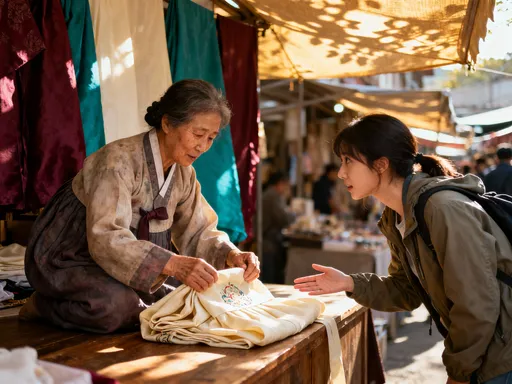
What struck me most was how shopping in Daegu felt personal. In a small fabric stall tucked beside a noodle shop, the owner offered me barley tea while showing me rolls of traditional ramie cloth. As she explained how the fabric breathes in summer heat, her hands moved with the confidence of someone who had spent decades in this trade. She didn’t push a sale. She shared a story. That moment crystallized my first impression: in Daegu, shopping isn’t just about acquiring items—it’s about exchanging moments. The transaction is secondary to the interaction.
This authenticity extends beyond individual vendors. The city itself feels unpolished in the best way. Buildings show their age, but not with neglect—rather, with character. Graffiti blends with century-old signage, and modern cafés sit beside family-run tofu shops that have operated for generations. There’s a humility here, a sense that Daegu knows its value without needing to announce it. For travelers tired of overly curated experiences, this city is a breath of fresh air. It rewards curiosity, not checklist tourism.
Another surprise was how accessible everything felt. Public transportation is efficient, with clear signage in English and Korean. The subway system connects major shopping districts, and buses reach even the quieter neighborhoods. I never felt lost or isolated, even when wandering without a map. Locals were quick to help with directions, often walking a few steps to point me toward my destination. This warmth isn’t performative—it’s simply how people here treat one another. By the end of my first day, I realized Daegu wasn’t just a place to shop. It was a place to belong, even if only for a few days.
Seomun Market: Where Tradition Meets Bargain Hunting
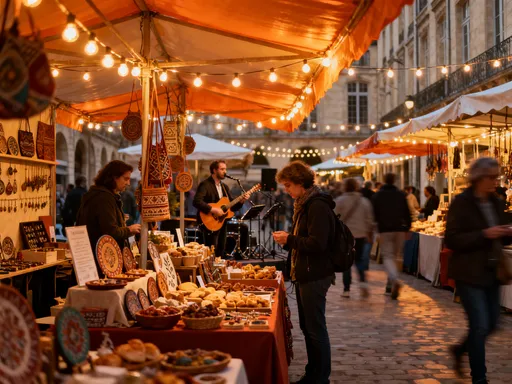
Seomun Market is not just a destination—it’s an institution. As one of the oldest continuously operating markets in South Korea, it has served Daegu’s residents for over 400 years. Walking through its covered alleys feels like stepping into a living archive of Korean commerce. The air hums with the sizzle of street food, the clatter of rolling carts, and the steady murmur of bargaining in rapid-fire Korean. Yet, despite its age, the market pulses with modern energy, drawing both elderly shoppers and young fashion hunters searching for deals.
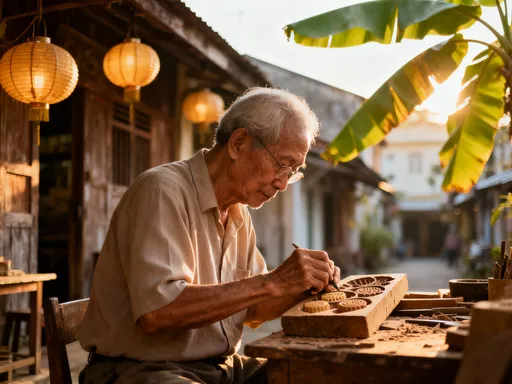
The heart of Seomun is its textile section, a kaleidoscope of color and texture that stretches across multiple blocks. Bolts of silk, cotton, and ramie are stacked floor to ceiling, their patterns ranging from delicate florals to bold geometric designs. I watched an elderly tailor, his glasses perched on the edge of his nose, carefully measuring fabric for a custom hanbok. He told me the outfit was for a granddaughter’s first birthday celebration—a tradition known as doljanchi. His hands moved with precision, each stitch carrying generations of knowledge. This wasn’t mass production; it was craftsmanship passed down like a family heirloom.
For visitors, the real joy of Seomun lies in discovery. I found myself drawn to a narrow alley behind the main fabric row, where a tiny shop displayed hand-embroidered pouches in muted earth tones. The owner, a woman in her sixties, explained that each piece used traditional motifs—peonies for prosperity, cranes for longevity. She didn’t speak much English, but her smile and gestures made the meaning clear. I left with two pouches, not because I needed them, but because they carried the weight of intention. These weren’t souvenirs churned out for tourists—they were objects made with care, meant to be cherished.
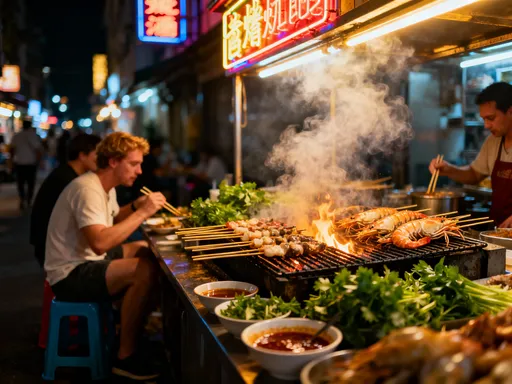
And then there’s the food. Seomun isn’t just for shopping—it’s a feast for the senses. I sat on a plastic stool at a stall serving bindaetteok, mung bean pancakes crispy on the outside and tender within. The vendor flipped them with practiced ease, serving each with a side of spicy kimchi and a smile. Nearby, a man grilled skewers of dried squid, the smoky aroma pulling me in like a magnet. Eating here isn’t a break from shopping; it’s part of the experience. Every bite feels like a connection to the city’s daily life, a reminder that commerce and community are inseparable in places like this.
Dongseongno: The Youth Pulse of Daegu
If Seomun Market is Daegu’s heritage, Dongseongno is its heartbeat. This pedestrian-only street pulses with the energy of youth, fashion, and music. As I stepped onto the cobblestone walkway, K-pop blared from shop speakers, neon signs flickered above boutiques, and groups of teenagers laughed while taking selfies in front of mural-covered walls. The contrast with Seomun was striking—not better, not worse, but different in rhythm and tone. Here, trends aren’t followed—they’re created.
Dongseongno is lined with a mix of international fast-fashion brands and independent Korean designers. I wandered into a small boutique where racks overflowed with oversized denim jackets, retro graphic tees, and hand-painted sneakers. The owner, a young woman with a sleek bob and silver rings, told me she sources fabrics from local mills and collaborates with art students on designs. Her shop, she said, is her way of supporting Daegu’s creative scene. I bought a navy-blue tote bag printed with a vintage Daegu subway map—a small piece of the city’s history, reimagined for a new generation.
One of the most surprising finds was a vinyl record shop tucked between a makeup kiosk and a bubble tea stand. Inside, shelves were packed with Korean indie albums, obscure jazz records, and even vintage trot music from the 1960s. The owner, wearing thick-rimmed glasses and a band T-shirt, let me flip through the collection while sipping on a complimentary barley tea. I found a rare pressing of a 1980s folk album and asked about its significance. He smiled and said, “This was music people listened to when they wanted to feel something real.” That sentence stayed with me. In a district known for its fast pace, this shop was a quiet sanctuary for authenticity.
Dongseongno also hosts seasonal pop-ups and street performances. During my visit, a local dance crew was rehearsing in the plaza, drawing a small crowd of onlookers. A nearby kiosk sold handmade earrings shaped like tiny Korean vowels—a playful nod to the country’s language. The district never feels stagnant. It evolves daily, shaped by the people who inhabit it. For visitors, especially those traveling with teens or young adults, Dongseongno offers a vibrant window into Korea’s contemporary culture. It’s not just shopping—it’s immersion.
Modern Comfort: Shopping Malls with a View
After hours of exploring markets and streets, Daegu’s modern malls offer a welcome retreat—without sacrificing style or substance. ACRO Department Store and Shinsegae Daegu stand out not just for their luxury brands, but for their thoughtful design and attention to detail. These aren’t sterile shopping centers; they’re destinations in their own right, blending retail with relaxation and scenic beauty.
ACRO, located in the bustling Jung-gu district, features a soaring glass atrium that floods the interior with natural light. The upper floors open to a rooftop garden where visitors can stroll among flowering shrubs and seating areas with panoramic views of the city. I spent an afternoon browsing designer boutiques—brands like Juun.J, Andersson Bell, and established European labels—before pausing at a café on the top floor. Sipping dalgona coffee while watching the sun dip behind the mountains, I realized how seamlessly the mall integrated comfort with commerce. It wasn’t just about buying; it was about being present.
Shinsegae Daegu, part of Korea’s largest retail group, offers a similarly elevated experience. The store spans multiple levels, each curated with precision. The beauty section alone feels like a skincare sanctuary, with testers, personalized consultations, and even facial-mapping technology. But what impressed me most was the cleanliness and quiet efficiency. Restrooms were immaculate, staff were courteous without being overbearing, and signage was clear and bilingual. For travelers with limited time or those seeking a more structured shopping experience, these malls provide a polished alternative to the chaos of the markets.
Yet, even in these modern spaces, Daegu’s identity shines through. Local artisans are often featured in seasonal pop-ups, and food courts include regional specialties like dakdoritang (spicy braised chicken) and cold naengmyeon noodles. The malls don’t erase the city’s character—they frame it. Whether you’re treating yourself to a luxury handbag or simply enjoying a moment of calm, these spaces remind you that shopping can be both indulgent and meaningful.
Hidden Gems: Offbeat Stores Only Locals Know
Some of my most treasured finds in Daegu weren’t in guidebooks or on tourist maps. They came from wandering without a destination, turning down quiet streets, and following the pull of curiosity. In the Suseong District, I discovered a family-run studio specializing in hand-dyed scarves using *jogakbo*—a traditional Korean patchwork technique. The owner, a third-generation artisan, explained how each piece uses natural dyes from persimmons, madder root, and indigo. The scarves weren’t for sale in the conventional sense; instead, she invited customers to sit, sip tea, and choose a design that “felt right.” I left with a soft, asymmetrical wrap in deep ochre and sage—a piece that felt less like a purchase and more like a gift.
Another day, a local librarian recommended a tiny bookstore in the Kyungpook National University neighborhood. Tucked above a noodle shop, “Page & Bean” doubles as a café and literary hangout. Vintage maps lined the walls, and shelves held a mix of Korean poetry, philosophy, and translated international fiction. The owner, a retired professor, welcomed me with a nod and gestured toward the reading nook by the window. I sipped on a honey-lavender latte while flipping through a collection of Korean folk tales. Later, I bought a linen-bound journal made by a nearby craft collective. No signage, no social media presence—just a space built on passion and quiet intention.
These hidden spots share a common thread: they don’t rely on advertising. Their survival depends on word of mouth, loyalty, and the slow accumulation of regulars. Finding them feels like being let in on a secret. They aren’t trying to impress—they’re simply being themselves. In a world of algorithm-driven recommendations and influencer trends, places like these are a reminder that the best discoveries are often unplanned. They ask for nothing but presence, and in return, they offer connection.
Practical Tips: How to Shop Smart in Daegu
To truly enjoy Daegu’s shopping scene, a few practical strategies can make a big difference. First, go cashless. While smaller vendors in markets may still prefer cash, most shops, including those in Seomun and Dongseongno, accept mobile payments like KakaoPay and Samsung Pay. Having a linked card saves time and reduces the need to carry large amounts of cash.
Bargaining is another key consideration. In department stores and branded boutiques, prices are fixed. But in traditional markets like Seomun, polite negotiation is expected, especially for textiles, accessories, and handmade goods. A simple smile and a respectful “Is this your best price?” can often lead to a small discount. The goal isn’t to haggle aggressively, but to engage in the cultural rhythm of the market.
Timing matters. Seomun Market is busiest in the late morning and early afternoon. To avoid crowds and get first pick of fresh goods, arrive early—ideally between 9:00 and 10:30 a.m. Many small shops and family-run stores close on Sundays, so plan your market visits for weekdays. Dongseongno, on the other hand, comes alive in the evenings, especially on weekends, when students and young professionals flood the streets.
Language doesn’t have to be a barrier. While not all vendors speak English, many younger shopkeepers do, and translation apps work well in most areas. Learning a few basic Korean phrases—like “gamsahamnida” (thank you), “ijeol maeyo?” (How much is this?), and “jeogi joaeyo” (I like this)—goes a long way. More than the words themselves, it’s the effort that’s appreciated. A smile, a bow, and a willingness to connect often bridge any linguistic gap.
Finally, wear comfortable shoes. Daegu’s shopping experiences involve a lot of walking—through market alleys, up mall escalators, and across pedestrian streets. Comfortable footwear isn’t a luxury; it’s a necessity. And bring a reusable bag. Many stores no longer provide plastic bags, and having your own makes carrying purchases easier, especially when hopping between districts.
Why Daegu Stays With You
Months after my trip, I still find myself reaching for the hand-embroidered pouch from Seomun or wrapping myself in the *jogakbo* scarf on cool evenings. These items aren’t just objects—they’re vessels of memory. They carry the warmth of the vendor who served me tea, the laughter of teenagers dancing in Dongseongno, the quiet pride of the artisan who shared her craft without expectation.
What makes Daegu unforgettable isn’t the quantity of things you buy, but the quality of moments you collect. It’s the way a city can feel both familiar and surprising, both rooted in tradition and open to change. Shopping here isn’t transactional. It’s relational. Every exchange—whether over a bolt of fabric or a shared plate of tteokbokki—feels like a small act of trust.
Daegu doesn’t try to compete with Seoul’s glitz or Busan’s seaside glamour. It doesn’t need to. Its strength lies in authenticity, in the quiet confidence of a city that knows itself. It welcomes you not as a consumer, but as a guest. And in return, it offers something rare: the feeling of having been seen, heard, and gently remembered.
When I boarded the train home, my suitcase was heavier than when I arrived. But what I carried in my heart was far more valuable. Daegu taught me that the best souvenirs aren’t found on shelves—they’re felt in the spaces between conversations, in the kindness of strangers, in the pride of craftsmanship. It reminded me that travel, at its best, isn’t about checking destinations off a list. It’s about letting a place change you, one small, meaningful moment at a time.